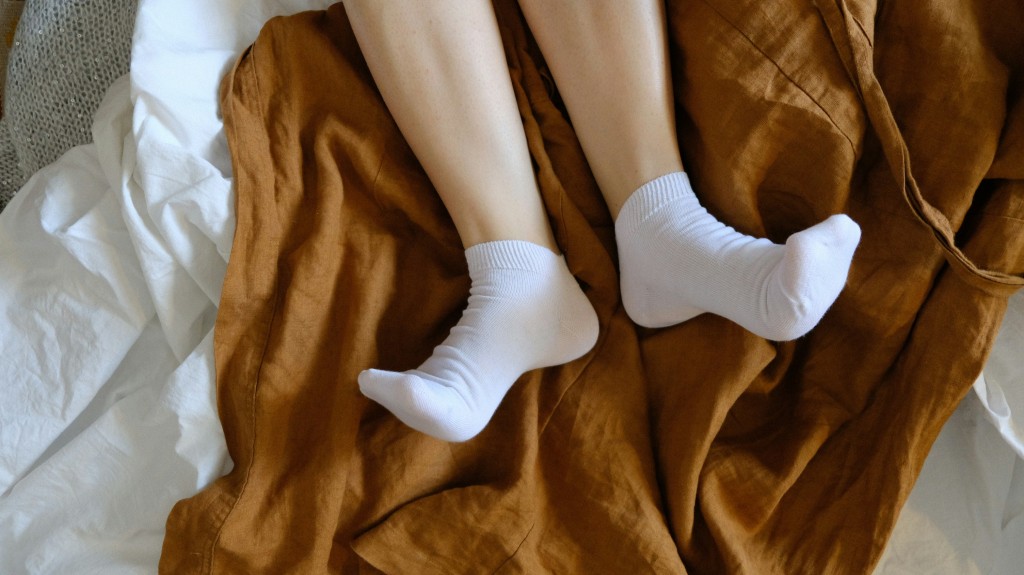
Nutritional functional medicine expert Dr. Liu Po-jen shares on his personal page that when blood flows through the capillaries, some fluid enters the tissue spaces and then returns through the blood vessels and lymphatic system. If the return is not smooth, or fluid is excessively retained, edema forms. The ankles are located at the lower part of the body; with prolonged standing or sitting still, fluid easily accumulates due to gravity, so some people have normal ankles in the morning but obvious swelling by evening.
5 Common Causes of Edema
1. Poor Venous Circulation
Prolonged standing, prolonged sitting, or poor function of the lower-limb venous valves can all cause blood return impairment, resulting in ankle swelling and a heavy sensation.
2. Poor Heart Function
When the heart's pumping function declines, venous pressure increases, which can cause swelling in both feet. If shortness of breath, easy fatigue, and difficulty breathing when lying flat occur at the same time, the possibility of heart failure should be noted.
3. Kidney Disease
Abnormal kidney function can cause retention of water and sodium ions; if large amounts of protein are lost in urine, edema may also be caused, and some patients will have foamy urine.
4. Liver Disease
Severe liver disease may cause a decrease in albumin and abnormal water regulation in the body. Besides foot swelling, it may also be accompanied by ascites.
5. Medication Effects
Some blood pressure-lowering drugs (such as Amlodipine), certain pain-relieving anti-inflammatory drugs, and steroids may all cause edema. Patients should not stop medication on their own and should discuss with their doctor.
1 Method to Self-Test Ankle Swelling—3 Situations Require Medical Attention
People can use a finger to gently press the front of the shin bone for about 5 seconds. If a depression appears after release and takes a while to recover, it may be "pitting edema." However, the degree of pitting can only help identify edema and cannot be used alone to determine the cause. The following 3 situations especially require vigilance:
Sudden swelling of one leg accompanied by pain and heat—deep vein thrombosis should be ruled out as soon as possible.
Swelling in both feet combined with difficulty breathing and chest pain—seek medical attention immediately.
Edema continues to worsen, combined with decreased urine output and rapid weight gain—should be examined early.
4 Daily Improvement Tips
If serious diseases have been ruled out and the swelling is related to prolonged sitting and poor venous return, improvements can be made through lifestyle habits:
-
Get up and move regularly: Every 30 to 60 minutes, get up and walk around, rise on tiptoes, and use the calf muscles to help venous blood return.
-
Elevate both legs: Moderately elevate both feet when resting to reduce fluid accumulation.
-
Reduce salt: Avoid overly salty food to prevent the body from retaining water.
-
Compression stockings require evaluation: Some patients can use compression stockings after a doctor's evaluation, but if they have peripheral artery disease, special caution must be taken.
Source: Nutritional functional medicine expert Dr. Liu Po-jen