According to a report by the foreign media outlet EatingWell, constipation is an extremely common gastrointestinal problem among city dwellers, not only causing fewer bowel movements and difficulty passing stool, but even making people feel very frustrated. Many people have experienced constipation and have tried methods such as drinking prune juice or taking stool softeners to promote bowel movements. Although these methods may be effective, when it comes to helping stool pass smoothly, everyone may have overlooked an ordinary ingredient that is a kitchen staple. The report cites a randomized controlled trial published in August 2026 in the international scientific journal Scientific Reports, which, in order to determine the potential effect of vinegar on constipation, had healthy adults with mild constipation drink a vinegar beverage or a placebo beverage every day to study its effect on bowel movement frequency.
Study Reveals That Drinking 1 Thing Daily Rapidly Relieves Constipation
In this randomized controlled trial, a total of 44 Japanese adults with mild constipation (defined as 3 to 5 bowel movements per week) participated. They were randomly assigned to a "placebo group" or a "vinegar beverage group":
-
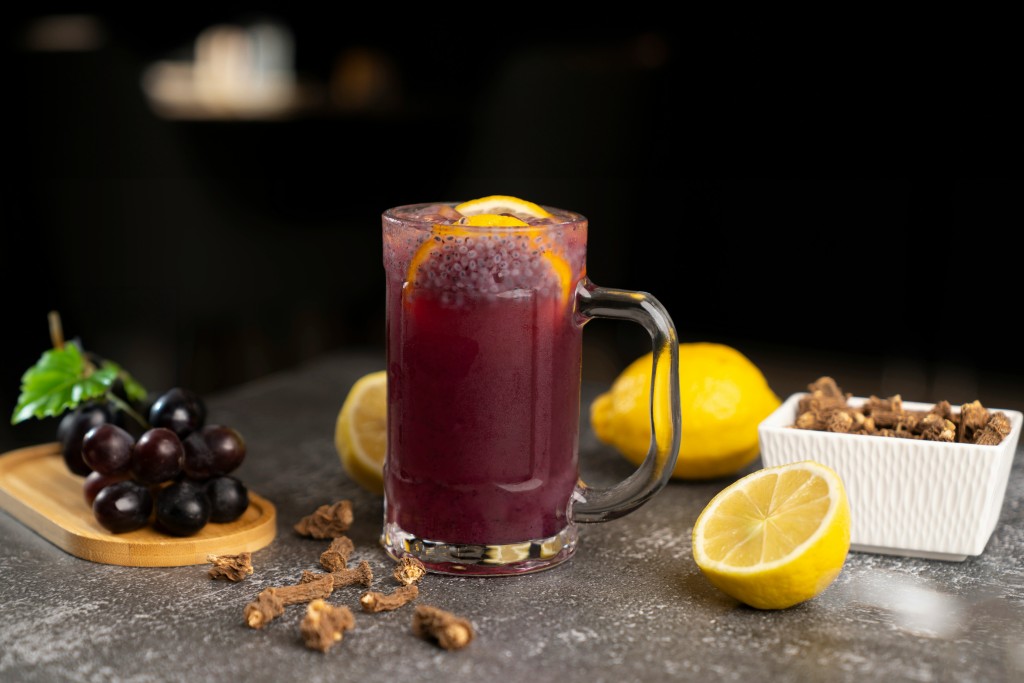
Vinegar beverage group: Drank vinegar water made by dissolving brewed vinegar in water, with each 200 ml beverage containing 750 mg of acetic acid.
-
Placebo group: Drank a beverage containing 30 mg of citric acid to provide a similar sour taste, but without any vinegar content.
Both beverages had a small amount of sweetener and apple flavoring added. During the 4-week trial period, participants were asked to drink one 200 ml bottle of their assigned beverage every day and maintain their usual diet and lifestyle.
Participants recorded their bowel movements in detail every day during the week before the study began and throughout the 4-week intervention period, including bowel movement frequency, stool volume, stool texture, stool color, stool odor, and how they felt during defecation. Researchers also immediately conducted comprehensive health assessments for participants before and after the intervention, including stool tests, body measurements, urinalysis, blood tests, and medical interviews.
Study Results: Weekly Bowel Movement Frequency Can Increase by 1.2 Times
The study results showed that compared with the placebo group, participants who drank the vinegar beverage daily significantly increased their bowel movement frequency at the 4th week of the intervention. In fact, by the end of the study, participants in the vinegar beverage group had about 1.2 more bowel movements per week than the placebo group.
The researchers observed that even after drinking it for only 1 week, other intestinal function indicators of the participants had already improved. Compared with the placebo group, participants who drank the vinegar beverage began to show increased bowel movement frequency, more days with bowel movements, and larger stool volume after the first week. The researchers speculate that vinegar may promote bowel movements by affecting intestinal motility or stimulating the gastrocolic reflex.
This study is one of the few clinical studies exploring the effect of direct vinegar intake on constipation, and its results show a clear association between increased vinegar intake and bowel movement frequency. Unlike previous studies that mainly focused on vinegar-based dishes, this study specifically targeted a vinegar beverage that is easier to drink daily.
Two Major Limitations of Drinking Vinegar for Constipation Need Attention
Although the study results are encouraging, there are still two major limitations to note:
-
The study included only 44 healthy adults with mild constipation, and the subjects were all Japanese adults. Therefore, it is still unclear whether this finding applies to other regional populations or to severe patients with more serious constipation symptoms.
-
Because the intervention lasted only 4 weeks, and the participants were not followed up after the study ended, whether long-term consumption of vinegar beverages can continuously increase bowel movement frequency, or whether the effect disappears after stopping, still awaits further research.
What Is Constipation? Breaking Down Causes/Prevention Methods
Constipation is a common intestinal problem in Hong Kong. The local Department of Health has previously announced that the prevalence of constipation among adults is 14.3%, meaning about 1 in every 7 people has a constipation problem. Constipation usually refers to a change in bowel habits, including bowel movements becoming less frequent (fewer than 3 times per week); stool that is too hard or too small; and difficulty passing stool.
The Department of Health reminds that although constipation is very common, medical attention should be sought if the following situations occur:
-
Constipation has only recently appeared
-
Constipation is severe, or pain occurs
-
Constipation lasts for 3 weeks or more
-
There is blood in the stool
To prevent constipation, the Department of Health recommends eating more high-fiber foods in daily life, eating 3 to 4 servings (about 6 to 8 taels) or more of vegetables and 2 to 3 servings of fruit every day; choosing high-fiber cereal foods such as wheat bread, oatmeal, and red rice. However, diabetes patients should first consult their family doctor or dietitian.
In addition to eating more high-fiber foods, you should also take in sufficient fluids daily, such as plain water, clear soup, and juice, and exercise moderately every day to help the intestines move. You should also keep a regular routine and develop the habit of having a bowel movement at a fixed time. It is recommended to drink water first thing in the morning to increase the urge to defecate, or to use the toilet after breakfast.
Source: EatingWell, Scientific Reports, Department of Health