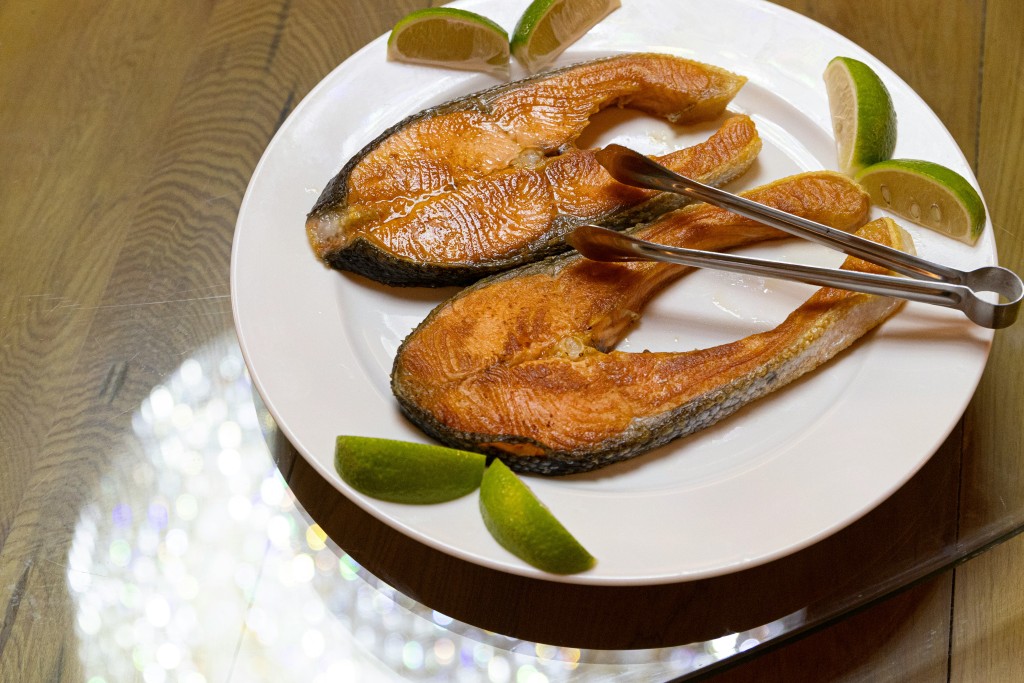
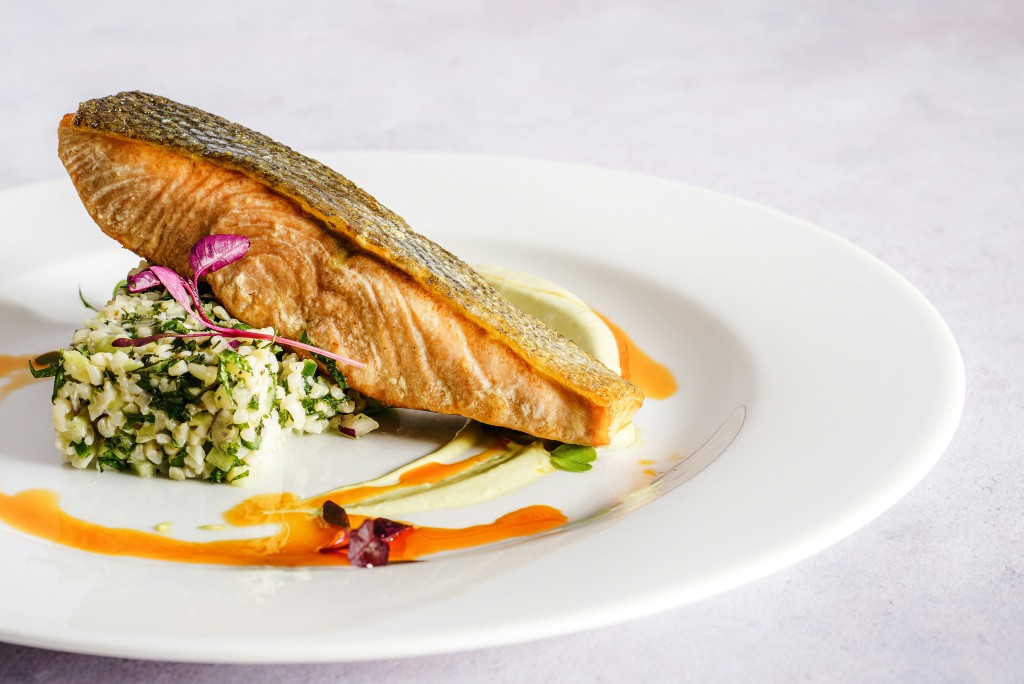
According to a report by the American food media outlet Food Republic, salmon is deeply loved for its rich high-quality oils and is an excellent source of important Omega-3 fatty acids, vitamin D, vitamin B12, and selenium. If dry-heat cooking methods such as high-temperature pan-frying or high-temperature roasting are used, it is easy to destroy the precious beneficial components in the fish. To maximize nutrient retention during cooking, the following 3 major golden cooking methods are recommended:
1. En Papillote (Paper-Wrapped Steaming)
Wrap the salmon tightly in baking paper or aluminum foil, then place it in the oven for low-temperature roasting. The moisture evaporated from the fish itself circulates and steams it inside the paper package, fully preserving the nutrients.
2. Steaming
Place the salmon in a steamer basket, keeping the water level in the pot about 2.5 to 5 cm below the fish, cover with a lid, and steam over low heat. Before steaming, apply a little cooking oil to the steamer basket to prevent the skin from sticking. If you do not have a steamer at home, you can use a strainer basket placed in a pot with a lid as a substitute.
3. Poaching
Place the salmon in gently simmering low-heat warm water and poach. Both steaming and poaching are very quick methods, generally taking only 5 to 10 minutes. It is recommended to use a food thermometer to measure the core temperature of the fish, reaching 63°C (145°F), which meets the US Department of Agriculture (USDA) standard for safe seafood consumption.
Pairing Salmon with 2 Types of Food Doubles the Nutrition
If steamed or poached salmon tastes too bland, natural ingredients can be added during cooking to enhance flavor, such as adding minced garlic, onion, carrots, fresh herbs, and slices of citrus fruits such as lemon and lime, or steaming together with light soy sauce, fresh shredded ginger, and lemongrass. White wine, seafood stock, or vegetable stock can also be added when poaching.
After the salmon is cooked, pairing it with high-quality healthy fats helps the body better absorb nutrients. Because Omega-3 is a fat-soluble nutrient, drizzling a little extra virgin olive oil over the cooked salmon, or adding avocado to the salad, can significantly help the human body more comprehensively absorb Omega-3 fatty acids. In addition, pairing with antioxidant-rich ingredients, such as squeezing fresh lemon juice over the salmon or sprinkling with herbs such as cilantro, parsley, and thyme, can both remove fishiness and enhance freshness while locking in nutrients.
Source: Food Republic