With the rise of healthy eating trends, various unique fasting and diet methods have emerged one after another. Taiwanese family medicine doctor Li Szu-hsien recently pointed out that simply eating two more cans of sardines per week, after persisting for one year, can actually sharply reduce the proportion of people at extremely high risk of diabetes.
Proportion at Extremely High Risk of Diabetes Drops
The study targeted elderly people with prediabetes. Results showed that on the basis of diet control, the group that merely ate more fish saw its proportion at extremely high risk drop from the original 37.3% to 7.7%, with results far better than the control group. For Hong Kong citizens who want to improve metabolism through daily diet, this type of canned fish rich in omega-3 fatty acids is definitely a highly cost-effective health helper.
Fish-Eating Group Shows Significant Drop in Insulin Resistance and Rise in Good Cholesterol
In this study involving 152 elderly people, the fish-eating group showed multiple astonishing health changes after one year:
A sharp plunge in extremely high risk: The proportion at extremely high risk in the fish-eating group dropped significantly from 37.3% to 7.7%, far outperforming the control group.
Comprehensive improvement in metabolic indicators: In addition to a significant drop in insulin resistance and a rise in good cholesterol, triglycerides and blood pressure both recorded obvious declines.
Optimized cell membrane fluidity: Li Szu-hsien explains that when the proportion of omega-3 in cell membrane fatty acids increases, membrane fluidity improves, making insulin receptor signal transmission more sensitive.
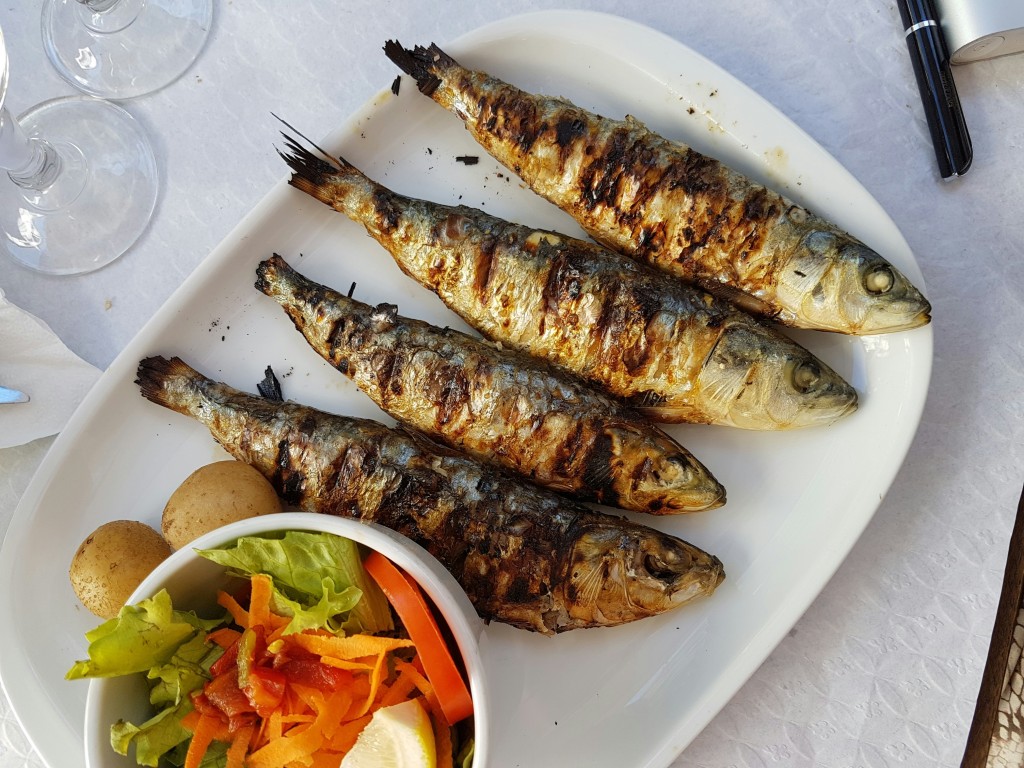
Activating deep fat-burning metabolism: Paired with moderate consumption of wild sardines packed in salt water, it can help the body enter fat-burning mode in a short time and trigger cellular autophagy repair.
Choose the Right Soaking Oil or Water and Avoid Tomato Sauce and Vegetable Oil Ingredients
Although canned fish is extremely nutritious and convenient to eat, there are still many details to note when purchasing and putting it into practice:
Strictly choose the soaking ingredients: Be sure to avoid products with added refined vegetable oil or tomato sauce, and must choose styles soaked in pure salt water or olive oil to meet the standard.
Flexibly substitute other blue-backed fish: If sardine cans are unavailable, they can easily be replaced with mackerel, saury, or anchovies, which are also rich in omega-3.
Contraindications for 3 specific groups: People in an active gout attack, taking anticoagulants, or with a bleeding tendency should first confirm with a doctor before increasing fish oil intake.
A starting point for integrating into daily meals: Sardines do not need to wait until fasting to be eaten. Flexibly including them in daily meals is an excellent starting point for protecting metabolic health.
Source: Family medicine doctor Li Szu-hsien