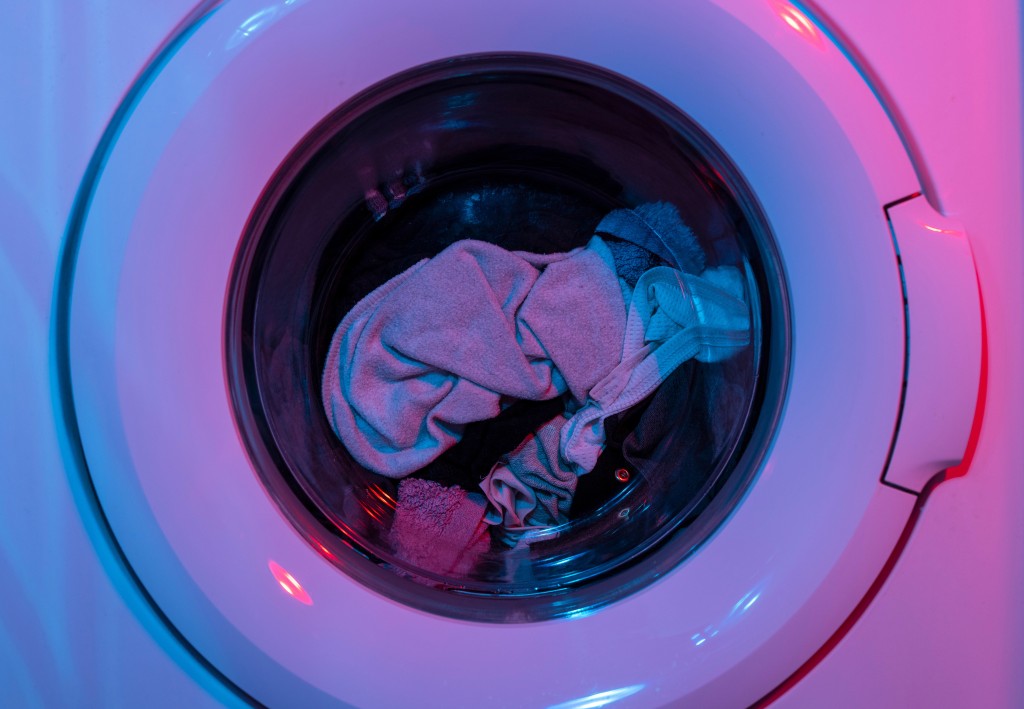
Does using more laundry detergent make clothes harder to rinse and even cause your electricity bill to soar? An expert points out 7 common washing mistakes that can shrink and fade your favourite clothes—and skipping a targeted stain and odour remover may force you to rewash, increasing energy consumption.
According to The Spruce, if you've noticed an unusually high electricity bill recently, the culprit may be your daily laundry habits. Many people unknowingly waste significant money, water, and electricity during washing, often due to common misconceptions—such as assuming hotter water cleans better or that more detergent equals better results. Dryer maintenance and cycle settings also affect energy use. Laundry experts list 7 of the most common mistakes to help you break the myths, protect your clothes, and save on electricity:
7 Common Washing Machine Mistakes
1. Washing All Everyday Clothes in Hot Water
Many habitually turn up the water temperature, assuming hot water is needed for a thorough clean. In reality, most everyday clothes clean effectively in cold water. Frequent hot water washing can shrink, fade, and damage clothes—and it's extremely energy-intensive. Heating water consumes significant electricity. Data shows switching to warm or cold water can cut energy consumption by up to half.
2. Running the Washing Machine Too Frequently
Running a wash for just a few items significantly increases water and electricity costs. Since each wash cycle uses roughly the same baseline energy, it's best to wait until you have a full load before running the machine.
3. Not Cleaning the Dryer Exhaust Duct
Regular dryer maintenance is key to avoiding energy waste. Always clean the lint filter after each use to prevent clogging. Also, regularly clean the dryer vent duct to improve airflow and ensure even heat distribution.
4. Blindly Choosing Timed Dry Cycles
Instead of setting a fixed timed dry cycle every time, use the dryer's sensor dry function or air-dry clothes naturally when possible. Traditional timed cycles often continue running at high heat even after clothes are dry, wasting electricity. Sensor dry functions use moisture sensors to detect remaining moisture and shut off automatically when dry. If conditions allow, natural air-drying or no-heat modes save even more energy.
5. Habitually Defaulting to Long or Heavy-Duty Cycles
For lightly soiled everyday clothes, avoid blindly defaulting to long or heavy-duty cycles. These cycles use far more water and electricity than needed—and prolonged vigorous washing accelerates fabric wear.
6. Pouring in Excessive Detergent and Cleaners
Many believe more detergent equals cleaner clothes. But excessive detergent doesn't improve cleaning—it just means you go through products faster, wasting money long-term. The correct approach is to strictly follow package instructions and measure precisely based on load size, weight, and soil level.
7. Skipping Targeted Stain and Odour Removers
Beyond using too much, choosing the wrong product also wastes money. If you don't pre-treat stains with an effective targeted stain and odour remover, stains often remain after washing—forcing you to rewash. This doubles your water, electricity, and detergent consumption, costing you far more.
Source: The Spruce