According to a report by the foreign media outlet EatingWell, many common chronic diseases, such as heart disease, are actually closely related to chronic inflammation in the body. Chronic inflammation is a persistent, invisible low-grade inflammatory state that silently puts pressure on the body's organs. To maintain long-term health, reducing the risk of chronic inflammation is crucial. Fortunately, taking in natural anti-inflammatory foods through daily diet can effectively help the body reduce inflammatory responses and lower disease risk. Based on the opinions of multiple professional registered dietitians, the following 5 major anti-inflammatory foods that must be stocked up in autumn are especially recommended:
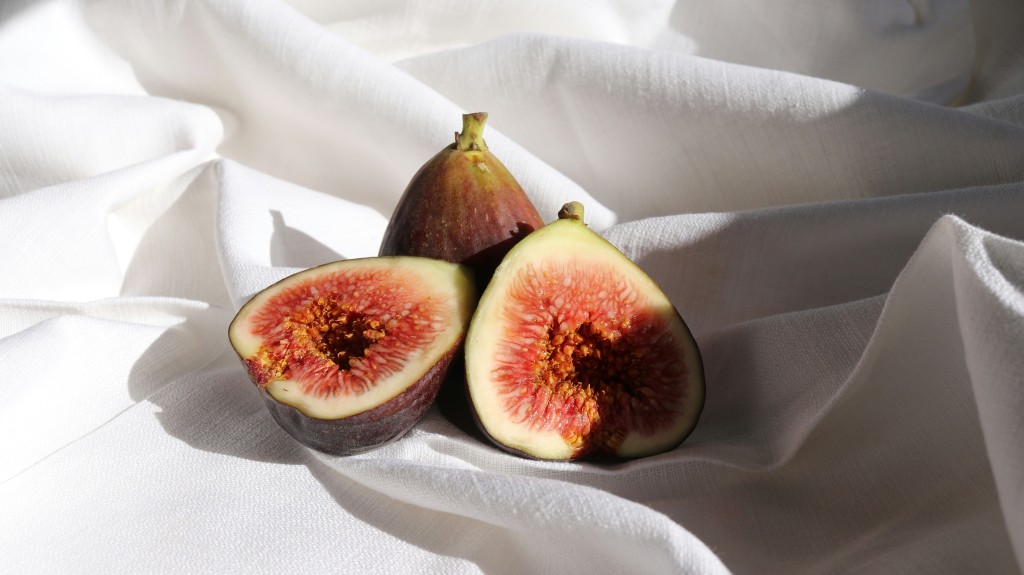
1. Figs
Autumn is the season for figs, and fresh figs at this time are the sweetest and most delicious. Whether fresh or dried, figs are rich in dietary fiber, calcium, and powerful flavonoid antioxidants such as quercetin and luteolin. In the Mediterranean diet tradition, figs have always been a gut-protecting food. Their rich prebiotic fiber can nourish beneficial gut bacteria, thereby producing short-chain fatty acids (SCFAs) such as butyrate, effectively suppressing chronic intestinal inflammation and comprehensively improving inflammation throughout the body.
2. Pomegranate
The vivid red color of pomegranate comes precisely from its extremely strong antioxidant phytonutrients. Pomegranates are rich in polyphenols, and the polyphenols are broken down by gut bacteria and converted into small molecules called urolithins. These small molecules circulate throughout the body with the blood and can significantly reduce inflammatory markers in the body. Polyphenols can regulate the body's inflammatory cascade and protect vascular endothelial health. Multiple studies have confirmed that regular consumption of pomegranate helps reduce inflammatory responses in the body and has the effect of lowering blood pressure.
3. Pumpkin
Pumpkin is rich in beta-carotene and vitamin C. The human body converts beta-carotene into vitamin A, thereby strengthening the immune system and preventing the release of proteins that cause body swelling, inflammation, and tissue damage.
4. Spinach
Although spinach is available all year round, its true peak season is actually autumn. Frozen chopped spinach is the top choice for making hot soup. Like pumpkin, spinach is rich in beta-carotene, vitamin C, and potassium, with extremely high cost performance. The rich phytonutrients, vitamins, and antioxidants in spinach can exert synergistic effects that help reduce inflammation.
5. Walnuts
Walnuts are very suitable for pairing with oatmeal porridge, pumpkin bread, or various salads. Walnuts contain extremely rich alpha-linolenic acid (ALA), an essential plant-based Omega-3 fatty acid for the human body. This high-quality fatty acid can change the pathways that control inflammation in the body, thereby effectively reducing systemic inflammation and preventing cell damage.
3 Major Daily Anti-Inflammatory Tips
Eat enough fruits and vegetables: Fruits and vegetables are rich in antioxidants and can actively fight inflammation. The daily goal should be 2 servings of fruit (about 2 cups of fresh fruit) and 2 to 3 servings of vegetables (about 3 cups, cooked or salad).
Consume less saturated fat: Excessive intake of saturated fat, such as steak, butter, bacon, and various baked desserts, will significantly worsen inflammation in the body and harm heart health. Daily life should prioritize heart-healthy fats from nuts, seeds, fatty fish, and high-quality cooking oils.
Build a regular exercise habit: Scientific research has confirmed that exercise can effectively reduce the level of inflammatory molecules in the body. Whether running, jumping rope, weightlifting, or dancing, integrating exercise into daily life is the most effective way to reduce systemic inflammation over the long term.
Source: EatingWell