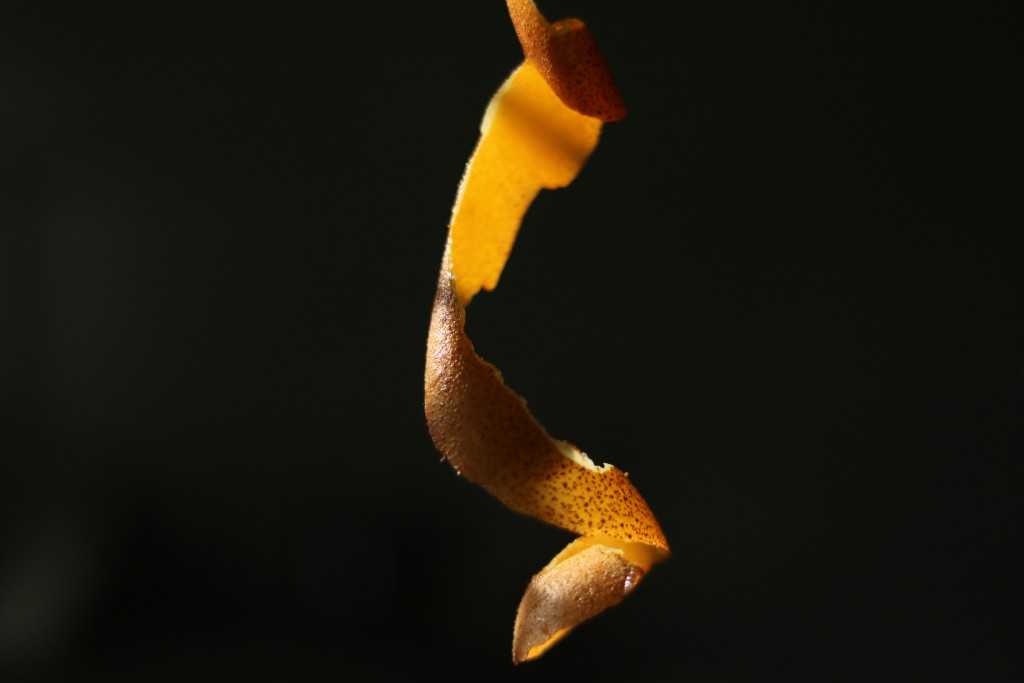
An article supervised by Risa Suzuki, representative of the Japan Beauty Food Association, points out that orange peel contains the following rich components:
Vitamin C: Has a skin-beautifying effect, can promote collagen production, maintain skin moisture, and prevent damage caused by ultraviolet rays.
Hesperidin: Can promote blood flow in microvessels, improve coldness in the body, regulate cholesterol levels, prevent high blood pressure, and suppress inflammatory symptoms caused by allergic reactions.
Pectin: A water-soluble dietary fiber that helps improve constipation and increase beneficial bacteria in the gut.
Steps for Making Homemade Dried Orange Peels
The bitter and astringent taste of orange peel itself often makes it hard to swallow. The article supervised by Risa Suzuki suggests that orange peel can be simply made into dried orange peels at home. Besides being edible, it can also become a good cleaning helper. The steps are as follows:
-
Thoroughly wash the orange peel. If worried about pesticide and wax residue, it can be washed with salt and baking soda.
-
Cut the orange peel into 3 cm pieces.
-
Wipe dry the moisture on the orange peel, spread it flat on newspaper or other absorbent material, and sun-dry for 7 to 10 days.
-
After completely drying, put it into an airtight bottle for storage.
4 Major Ways to Eat Orange Peel
Japanese nutrition expert Keiko Minami offers several other delicious and practical consumption suggestions:
Dried fruit: Slice the whole orange together with the peel, and dry-fry/bake in a frying pan or oven to remove moisture. This not only concentrates the sweetness, but the peel also becomes soft and easy to eat.
Jam: The peel of citrus fruits such as mandarins and pomelos is very suitable for making jam.
Dried orange: If you want the simplest way to eat it, simply cut the peel into thin slices and bake in an oven at 150°C for 30 minutes to make crispy dried orange slices. Enjoy them in yogurt, salad, or ice cream according to personal preference.
Dried orange peel tea: After making the orange peel into chenpi using the above method, simply brew it with hot water to drink, and it can also be enjoyed together with tea leaves or dim sum.
5 Major Cleaning Uses
Besides being edible, orange peel can also become a good helper for household cleaning:
Natural bath agent: Wrap dried orange peel in a cotton bag or towel and put it into the bathtub.
Cleaning small items: Can be used to remove stubborn grease in the kitchen.
Natural decontamination agent: Soak orange peel in white vinegar for 2 weeks (ratio about 1:3), filter and bottle it, and dilute with water when using. It can be used to wipe limescale and grease (especially suitable for cleaning microwaves and ovens), and the citrus aroma can also eliminate odors.
Refrigerator deodorizing bag: Air-dry the orange peel, put it into a gauze bag, and place it in a corner of the fridge; the effect of absorbing odors is excellent.
Dishwashing and grease removal: Directly wipe the grease on pots with fresh orange peel. The limonene in the peel can break down grease and reduce the amount of detergent used.