How can you shop for food healthily at the supermarket? Japanese media invited four doctors to share 20 supermarket foods they absolutely avoid. The list includes not only processed foods like ham and sausages or fried foods, but also some vegetables, and surprisingly, even bananas.
According to a report by Japanese media Shukan Josei Prime, many supermarket foods can potentially impact health. Unthinkingly consuming these foods regularly in daily life may burden the body. The report invited four doctors to share the following supermarket foods they avoid:
- Grilled/Barbecued Meat: Red meats like beef and pork are classified as Group 2A carcinogens (probably carcinogenic to humans). Dr. U. Daisuke notes that for every 100-120g increase in daily intake, stroke risk rises by 11%. The charred parts contain carcinogens like acrylamide.
- Ham & Sausages: Processed meats are classified as Group 1 carcinogens (carcinogenic to humans), the same category as tobacco and radiation. While the impact of small amounts is unclear, overconsumption should be avoided.
- Bananas: While rich in fiber, Dr. Makita points out bananas have the highest sugar content among common fruits, which can raise blood sugar, contributing to diabetes and obesity. Dr. Aoki adds that imported fruits may contain fungicides (e.g., diphenyl, thidiazuron) used during long transport, which animal studies suggest have carcinogenic, teratogenic, and endocrine-disrupting effects.
- Pre-Cut Vegetables: Convenient but sometimes treated with sodium hypochlorite to prevent discoloration and sterilize. Dr. Aoki cautions that this substance is highly toxic in concentrated forms.
- Vegetable Juice Concentrates: Often claim to contain a day's worth of vegetables but lack the full spectrum of nutrients found in whole vegetables.
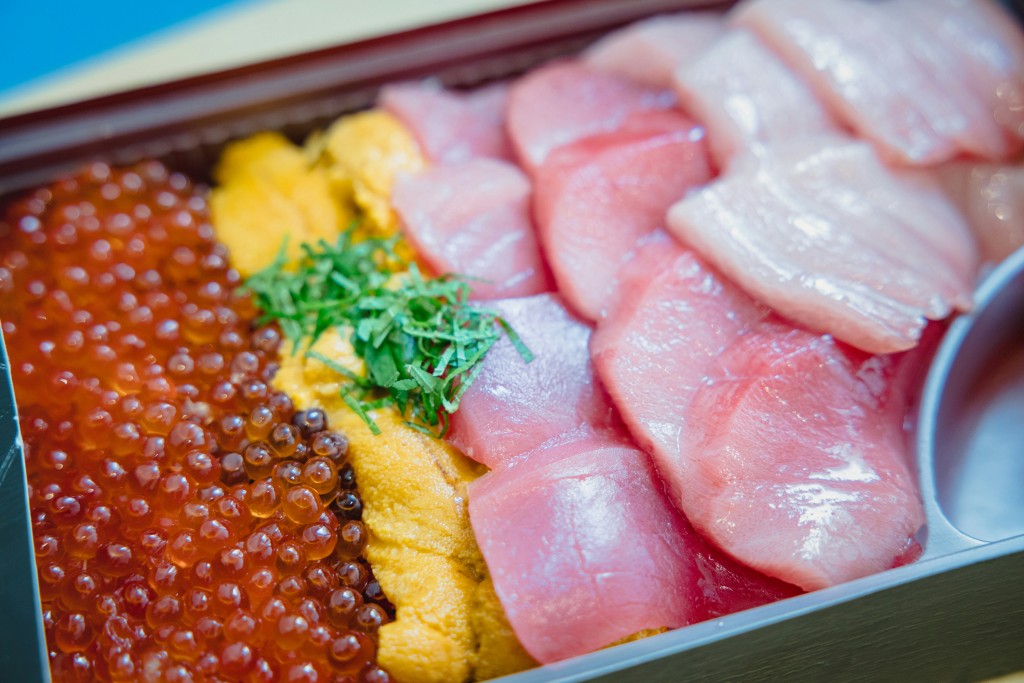
- Mentaiko (Spicy Cod Roe): The vibrant pink color often comes from sodium nitrite, a color fixative. It can react with amines in food to form carcinogenic nitrosamines.
- Brightly Colored Pickles (e.g., yellow takuan, red ginger): Often contain synthetic tar-based dyes. The EU requires warning labels on some, indicating potential harm to children's activity and attention.
- Udon & Pasta: Dr. U. Daisuke notes udon is high in refined carbs, linked to increased blood sugar and insulin resistance. Dr. Ishihara warns pasta sauces are often very high in salt.
- White Rice: Dr. U. Daisuke cites studies showing each additional bowl of white rice per day increases diabetes risk by 11%, as its carbs break down into glucose similarly to sugar.
- Heavy Cream: High in saturated fat, which can increase blood triglycerides and cholesterol, raising the risk of heart attack.
- Sweet Breads & Cakes: High sugar intake is harmful to health and increases the risk of death from diseases like heart attack.
- Margarine: Contains trans fats, which easily increase "bad" LDL cholesterol, leading to atherosclerosis and raising the risk of heart attack, stroke, and Alzheimer's.
- Zero-Calorie Drinks: Often contain artificial sweeteners like aspartame. Dr. Ishihara avoids them as they may lead to overeating and increase the risk of diabetes and osteoporosis.
- High-Alcohol Canned Chuhai (Shochu Cocktails): High alcohol content can depress the central nervous system, leading to loss of control, aggression, or violence. Some doctors suggest regulating high-alcohol canned drinks as dangerous.
- Pre-Made Fried Foods: The oil used is often rich in Advanced Glycation End Products (AGEs), which accelerate aging. Foods sitting on shelves oxidize further, especially discounted items.
- Brown Sauces (e.g., for okonomiyaki, yakisoba, curry): Contain caramel color, made by heating starches. Caramel colors III and IV contain a potential carcinogen (4-MEI).
- Canned Fruit: The fruit's origin is often unknown, they may be soaked in syrups with high sugar content, and contain preservatives and additives.
- Typical Izakaya (Pub) Snacks: Salty, high-fat foods that pair well with drinks. Dr. Ishihara suggests choosing simpler options like edamame or vinegared dishes if indulging.
- French Fries: When carbohydrate-rich foods are heated above 120°C, they can form acrylamide, a probable carcinogen. Studies link eating fries more than twice a week to higher mortality risk.
- Potato Chips (& All Fried Snacks): Contain acrylamide. Additionally, the oil oxidizes over time after frying, becoming unhealthy. This is a reason non-fried snacks are popular.