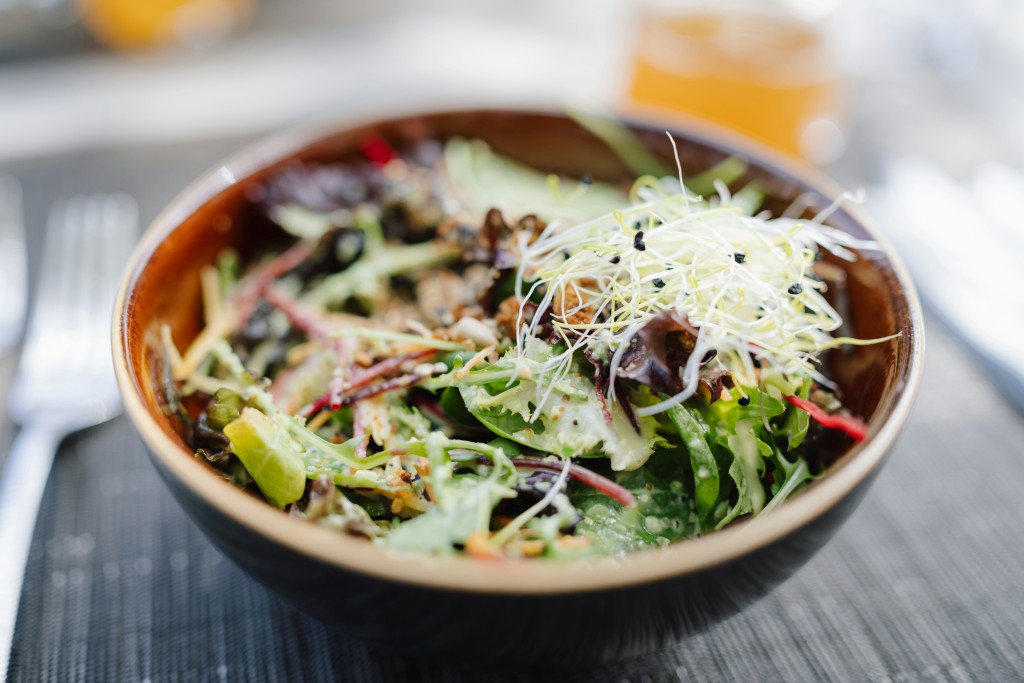
Dr. Makita Zenji shares that eating a power salad every day can bring multiple benefits to the body: first, it has a strong antioxidant effect that helps delay aging; second, its rich vitamins can effectively strengthen muscle and bone health; third, it lowers the risk of chronic diseases and helps prevent cancer; fourth, it significantly improves the gut microecological environment, thereby refreshing skin condition.
Often, what "deducts points" from the health score of vegetable salads is the addition of high-fat seasonings. Makita emphasizes that seasoning should center on simplicity and naturalness—adding only the following 3 elements is enough:
Extra virgin olive oil: Rich in high-quality oleic acid, helps protect the cardiovascular system and prevent arteriosclerosis.
Natural sea salt: Contains rich minerals such as magnesium and calcium; refined salt should be avoided as much as possible.
High-quality vinegar (such as fruit vinegar or black vinegar): Has the effect of helping lower blood sugar and blood pressure, and its natural sourness can also reduce the amount of salt used.
Power Salad Effectively Prevents Oxidative and Glycation Damage to the Body
Makita, who is over 70 but still full of energy, points out that the key to maintaining youth and vitality is to protect the body from "oxidation" and "glycation," because these two major factors damage organs and accelerate aging. The phytochemicals contained in vegetables (including bitterness, astringency, and natural pigments) can effectively inhibit free radicals and exert extremely high antioxidant capacity.
He adds: "Vegetables contain many longevity-promoting components, so I eat a salad with added protein every day, such as adding eggs, fish, or chicken, and drizzle vinegar and lemon juice on the meat, which both enhances flavor and strengthens nutrient absorption."
3 Power Salad Recipes to Build a Wellness Blood Sugar Control Daily Menu
1. Purple Cabbage Power Salad (2 servings)
Ingredients: Half a chicken breast, purple cabbage, onion, yellow bell pepper, cabbage, 1 boiled egg, sake, olive oil, vinegar, mustard, salt, pepper, minced garlic.
Method:
-
Marinate the chicken breast evenly with a little sake, salt, and pepper, heat in the microwave for 1.5 minutes, flip and heat for another 1 to 2 minutes. Let cool and cut into strips.
-
Cut appropriate amounts of purple cabbage, onion, yellow bell pepper, cabbage, and boiled egg into suitable sizes, and add the chicken strips.
-
Add a little olive oil, vinegar, mustard, salt, pepper, and minced garlic, mix well to season, and serve.
2. Asparagus Power Salad (2 servings)
Ingredients: 8 asparagus spears, 12 fresh shrimp, grated cheese, salt, coarsely ground black pepper.
Method:
-
Cut off the hard base of the asparagus and peel; wash the fresh shrimp and pat dry. Blanch in a small amount of boiling water until cooked.
-
Remove the asparagus and shrimp, and while hot, sprinkle with a little grated cheese, salt, and coarsely ground black pepper to season.
3. Smoked Salmon Power Salad (2 servings)
Ingredients: Half a head of broccoli, 5 slices of smoked salmon, 1 tomato, 1/4 onion, chickpeas, baby lettuce, lemon juice, olive oil, salt, black pepper, dried thyme.
Method:
-
Cut the broccoli into small pieces and blanch; cut the smoked salmon, tomato, and onion into the desired sizes.
-
Add appropriate amounts of lemon juice, olive oil, salt, coarsely ground black pepper, and dried thyme, mix well to season, and finally sprinkle with chickpeas and baby lettuce.
Recommend Moderately Reducing Rice and Increasing Vegetables After Middle Age to Maintain Metabolism
Regarding daily dietary habits, the doctor especially recommends adopting the anti-aging principle of "eating raw during the day, cooking at night": eating raw vegetables during the day can maximize the supplementation of vitamins easily destroyed by heat; eating cooked vegetables at night can reduce the burden on the stomach and intestines and increase dietary fiber intake.
After reaching middle age, metabolism gradually slows down. Daily diet should appropriately reduce the intake of refined starches such as white rice and correspondingly increase the proportion of vegetables—this is the way to maintain blood sugar stability and physical health in the long run.