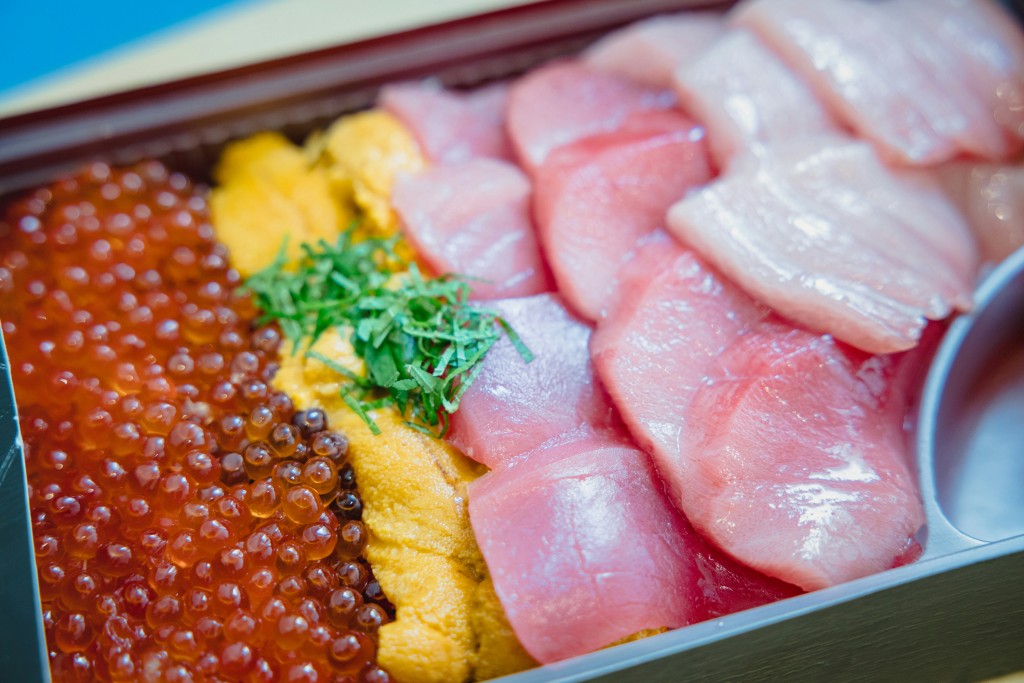
Taiwan's Shin Kong Hospital gastroenterology and hepatology attending physician Chang Tsan-hsuan earlier shared a food safety case on the social platform Threads. A middle-aged man felt cold that evening after eating raw fish stored in the fridge, started having a fever the next morning, and by noon developed a severe headache. When the patient was rushed to the emergency room, his body temperature was already as high as 39.6°C. After detailed examination, he was confirmed to have Listeria infection causing meningitis, and ultimately required hospitalization for three weeks of intensive antibiotic treatment.
Listeria Has the Characteristics of Salt Tolerance, Acid Tolerance, and Reproduction at Low Temperatures
The Centre for Health Protection points out that listeriosis is caused by Listeria, which is commonly found in natural environments such as soil and water, and can exist in contaminated uncooked foods such as vegetables and raw meat, as well as unpasteurized dairy products. According to authoritative epidemiological statistics from the World Health Organization and the Hong Kong Centre for Food Safety, although the incidence of foodborne infection caused by Listeria is lower than that of Salmonella, the mortality rate of its invasive infection is as high as 20% to 30%, making it one of the most lethal pathogens in the field of public health.
Extremely High Mortality Rate of Invasive Infection Makes It a Deadly Invisible Killer
Unlike common bacteria that dormantly sleep at low temperatures, Listeria still has tenacious reproductive ability in refrigerated environments of 0°C to 4°C, and possesses characteristics such as salt tolerance, acid tolerance, and facultative anaerobiosis. Most healthy adults infected only develop transient self-limiting diarrhea or fever; but for pregnant women, newborns, the elderly, and people with weaker immunity, the bacteria very easily penetrate the intestinal barrier and invade the bloodstream to cause sepsis, and may even break through the blood-brain barrier to cause fatal acute purulent meningitis.
4 Major High-Risk Raw and Cold Foods That Very Easily Harbor Listeria
Chang points out that some bacteria infected through food can directly affect the brain when the condition is severe. If citizens develop fever accompanied by severe headache, neck stiffness, or confusion after eating raw and cold foods, they should not delay and should seek medical attention immediately. To protect their own health, citizens should strictly avoid the following 4 major high-risk foods that easily harbor Listeria in their daily diet:
Raw and cold seafood: Including Hong Kong people's favorite sashimi, raw oysters, and smoked salmon and other seafood not heated and cooked.
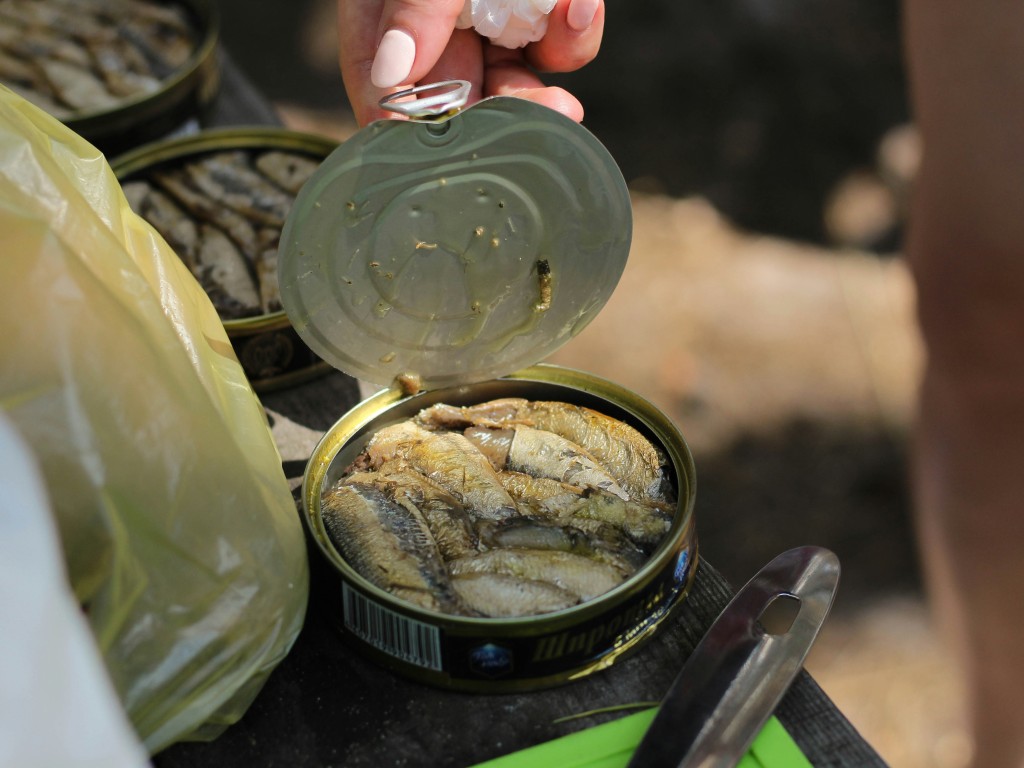
Cold processed ready-to-eat meats: Such as ham, cold meat slices, hot dog sausages, turkey slices, and various meat paste products.
Unpasteurized dairy products: Foods made with unpasteurized milk, especially soft cheeses such as Brie and Camembert.
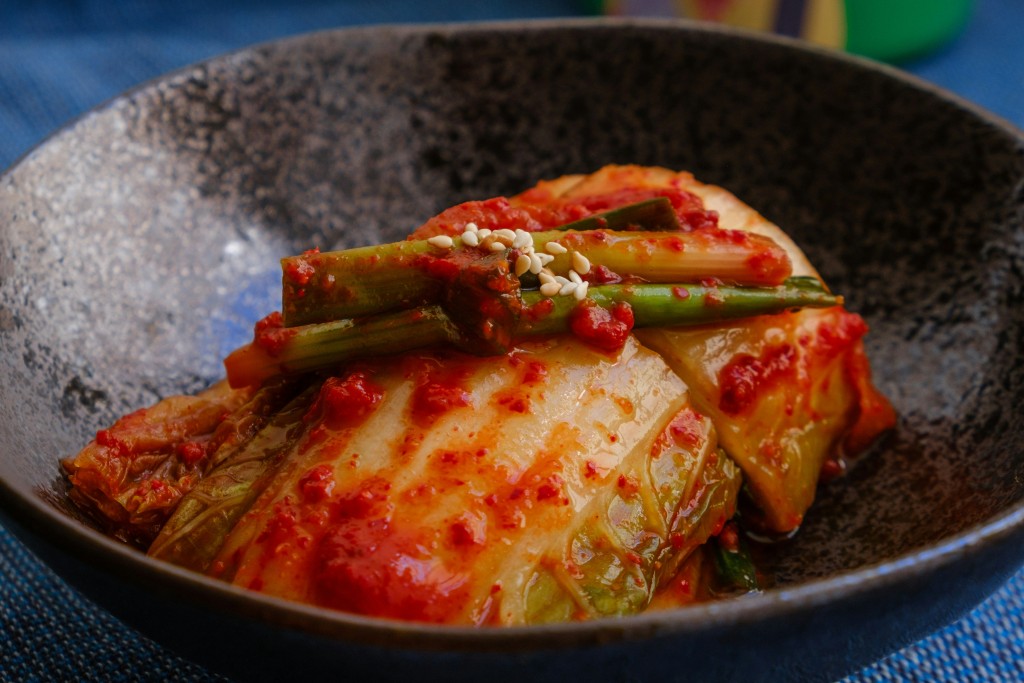
Pre-made and packaged cold dishes: Pre-packaged salad greens bought at supermarkets and cut fruit that has been left out for a long time.
Advice for Consumers
-
Maintain food and personal hygiene.
-
Check whether food packaging is intact and whether the consumption date on the food label has expired, especially refrigerated ready-to-eat foods with a longer shelf life.
-
Eat perishable pre-cooked ready-to-eat foods as soon as possible.
-
Thoroughly reheat leftover food before eating.
Source: Centre for Health Protection, dr.chang.gi@threads