In today’s fast-paced societies across Asia Pacific, women are increasingly balancing multiple responsibilities—at home, at work, and within their communities. Amidst these demands, finding time to prioritize health and wellness can be a challenge. Yet, emerging science and real-world experience consistently show that even modest, well-informed changes in daily habits—particularly around nutrition—can lead to meaningful, long-term improvements in well-being.
A growing body of research1 supports a holistic approach to wellness, one that integrates balanced nutrition, routine physical activity, quality sleep, and strong social support. These pillars are not only interdependent, but also foundational to empowering women to live healthier, more fulfilling lives.
Stress, Sleep, and Obesity: A Critical Connection
Living in high-pressure environments like Hong Kong brings to light the important connections between stress, sleep, and obesity. Despite having a relatively low obesity rate of 6.9% (2020-2022), many other regions are facing serious challenges2. For example, in Malaysia, over half of the adult population struggles with being overweight or obese, with a staggering 54.4% affected (2023). Taiwan isn't far behind, where more than 50% of adults fall into these categories (2017-2020). In South Korea, obesity rates have been gradually increasing, especially among men and children, reaching nearly 20% in the 6-18 age group (2021).
On the other side of the spectrum, Vietnam has a lower obesity rate, but it's one of the fastest-growing issues in the region. Meanwhile, Indonesia is working to keep its prevalence at 21.8% until the end of 2024, which shows the persistent concerns surrounding this issue.
Research shows that not getting enough sleep can lead to weight gain by increasing food cravings and lowering energy levels. Chronic stress doesn't help either; it takes a toll on both our mental and physical well-being, making it harder to maintain a healthy weight. Stress can influence hunger hormones and reduce our motivation to stay active. Understanding these connections is vital if we want to create effective strategies for promoting wellness and improving quality of life.
Nutrition as a Cornerstone
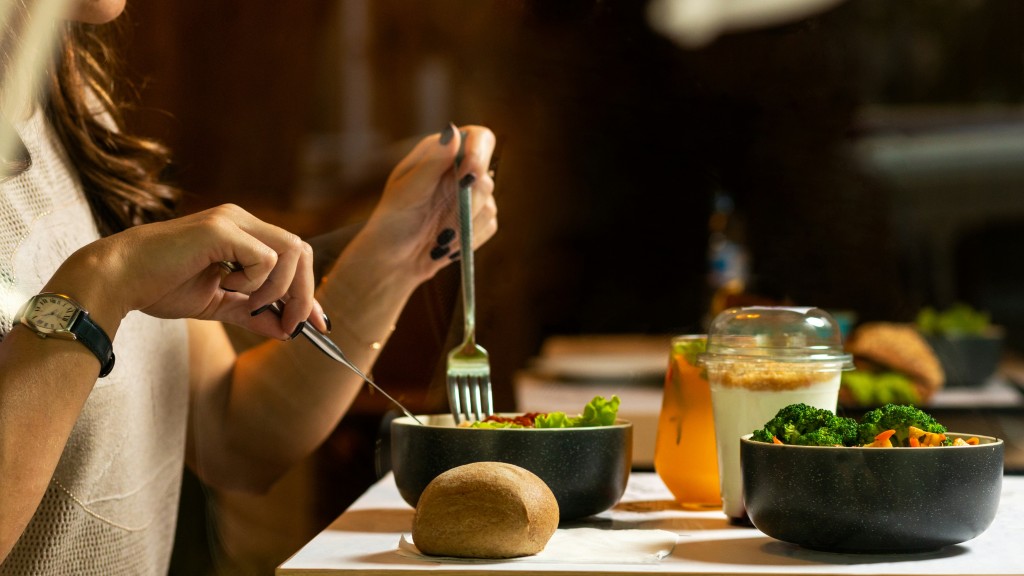
Optimal nutrition remains central to preventive health. Prioritizing nutrient-dense, whole foods over ultra-processed options is a powerful first step. Protein—whether from lean meats, legumes, or plant-based sources like tofu and nuts, supports energy, muscle maintenance, and satiety. The British Nutrition Foundation notes that women, on average, consume less protein than men—45 grams per day compared to 56 grams per day.3 Additionally, for premenopausal women, iron intake is especially critical due to monthly losses; iron-rich foods such as spinach, lentils, and fortified cereals can help maintain healthy levels.
Hydration is equally vital. A general guideline is to consume at least eight glasses of water per day, complemented by water-rich fruits and vegetables such as cucumbers, oranges, and melons. Additionally, a diverse intake of colorful fruits and vegetables ensures access to essential vitamins, minerals, and antioxidants that support immune and digestive health.
The Importance of Physical Exercise and Sleep Hygiene
Regular physical activity is strongly linked to improved health outcomes. Engaging in a minimum of 150 minutes of moderate exercise each week—such as walking or cycling—can provide significant cardiovascular, mental, and metabolic benefits. Additionally, incorporating resistance training enhances muscle mass, bone density, and long-term metabolic health. Women who participate in regular aerobic exercise often report better sleep, experiencing improvements in total sleep time and decreased sleep onset latency. Moreover, physical activity can decrease the likelihood of developing sleep-disordered breathing, a condition that is more prevalent among postmenopausal women.4
Equally important is the practice of good sleep hygiene; maintaining consistent sleep schedules, establishing screen-free wind-down routines, and creating calm sleep environments can greatly enhance sleep quality. Restorative sleep is essential for regulating mood, managing stress, and facilitating physical recovery.
The Role of Community and Shared Knowledge
Empowering women across APAC to take charge of their health through informed, manageable lifestyle shifts is essential to building resilient communities and healthier futures. Whether it’s rethinking one’s plate, prioritizing hydration, moving more, sleeping better, or engaging with a supportive network—every small change contributes to a larger impact.
As wellness becomes a collective priority, events like the recent 2025 Herbalife Extravaganza in Hong Kong serve as catalysts for education, empowerment, and action. Together, we can champion a culture where women’s health is not an afterthought—but a foundation for thriving lives, families, and communities.