

Read More
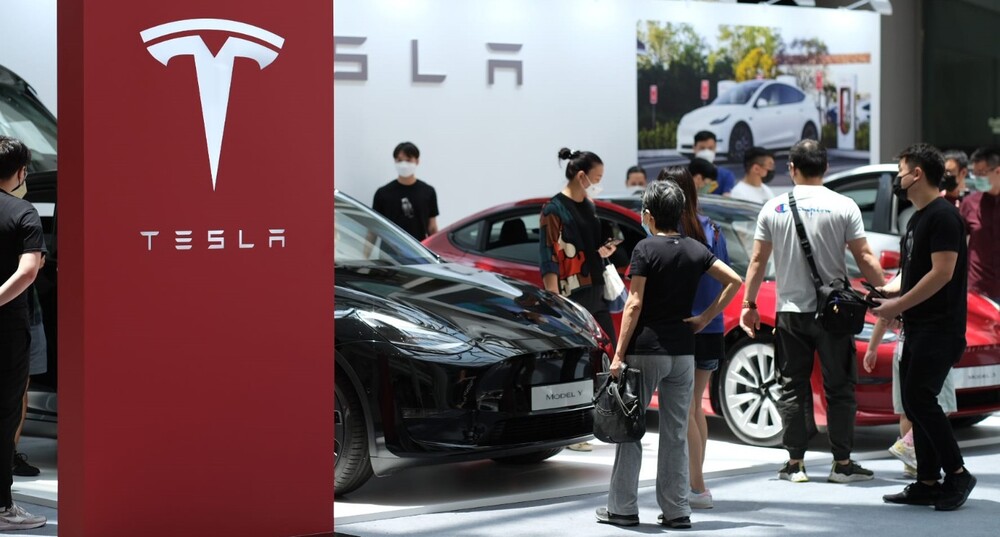
The tax concession for electric vehicles may be slashed next year amid a yawning financial deficit, leading many car dealers to urge drivers to "seize their last chance" to buy EVs while it is in force.
ADVERTISEMENT
SCROLL TO CONTINUE WITH CONTENT
Executive Council member Gary Chan Hak-kan expects the tax concession to be trimmed back.
However, he urged the SAR administration not to cancel the scheme as it would cause a sharp drop in EV sales and hit the industry.
The scheme, called "One-for-One Replacement," was launched in February 2018, and allows owners to scrap and deregister their cars and switch to an EV to enjoy a higher first registration tax concession of up to HK$287,500.
But it is due to expire at the end of March.
Since the scheme doesn't restrict people from reselling their EV registrations, many owners have been selling their "quotas" under the "One-for-One Replacement" scheme.
Prices quoted for the quotas hit HK$18,000 on social media last month, a 1.5 times jump from an average of HK$7,000 to HK$8,000 in recent months.
The talk online is blaming that spike on fears among some car owners that the replacement scheme would not be extended after March.
According to the Transport Department, in the year leading up to October, some 28,000 new EVs were purchased under the scheme, involving tax concessions amounting to about HK$7.49 billion.
Chan told Sing Tao Daily, The Standard's sister publication, that it was understandable for the government to take treasury considerations into account.
He cited government sources as being of the opinion that the current concession level was too high.
"If you can afford to buy an expensive car, it is taken that you can pay more in taxes, so there is no point in [the government] subsidizing you so much," Chan said.
He puts the chances of a scaling back of the tax concession at "99 percent."
Ben Chan Han-pan, who chairs the Legislative Council's transport panel, said it might be too early for the government to consider a policy change, as internal combustion engine cars still account for a majority of vehicles in the city.
But he thinks the loss of the HK$7.49 billion potential tax revenue would not make a significant dent on the government's financial situation as its deficit in the first seven months of this year was already at HK$170 billion.
Michael Luk Chung-hung, who represents the Federation of Trade Unions and owns an EV, said the scheme should not be set in stone and that the government should consider offering drivers other subsidies, including reducing charging fees.
A government spokesman said that as more and more EVs became available in the market at an affordable price, it was expected that the costs of purchasing and using an EV would become closer to that of a internal combustion engine vehicle.
"Some economies with more mature EV markets have also started to reduce tax incentives and subsidies for electric cars, to strike a balance between encouraging the switch to EVs and safeguarding public finances," he said, adding the government will adjust policies according to market developments.
Gary Chan