
Read More
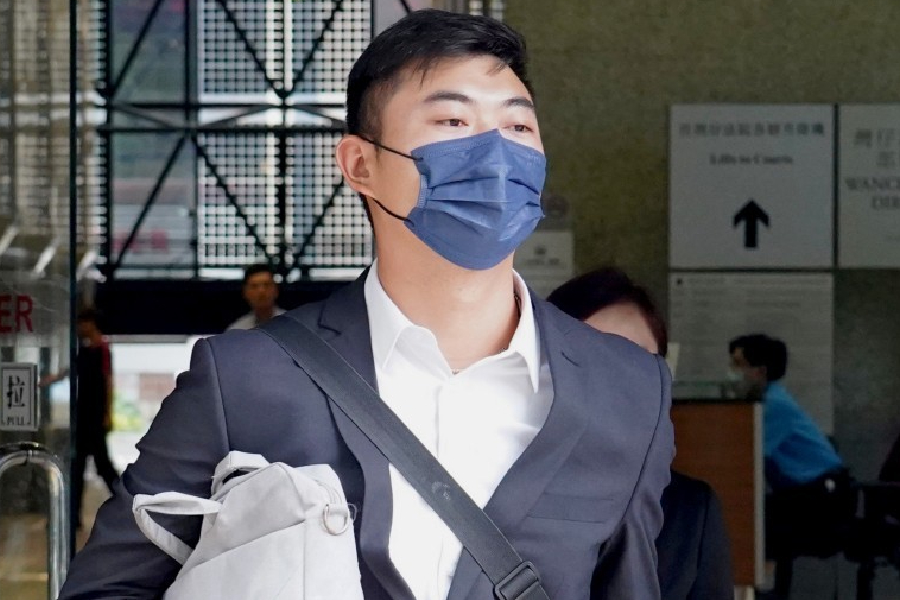
A 25-year-old Hong Kong police officer accused of keeping a drink-driving suspect's blood sample in his domestic refrigerator instead of delivering it for forensic testing will learn his fate in March next year, following the conclusion of closing submissions in his trial at the District Court.
ADVERTISEMENT
SCROLL TO CONTINUE WITH CONTENT
The officer, Ching Long, faces a charge of misconduct in public office and an alternative charge of intending to pervert the course of justice. Both sides presented their final arguments before Deputy District Judge Leung Ka-kei, who adjourned the verdict to March 2.
Defense cites illness, inexperience, and honest mistake
Counsel representing Ching argued that the officer may have taken the vial home because of carelessness and a genuine misunderstanding rather than criminal intent.
The court heard that Ching was inexperienced in criminal investigations at the time, struggling to adapt to a demanding workload, and coping with serious illness.
The defense emphasized that Ching had informed his superior about bringing the specimen home and was not reprimanded.
Furthermore, counsel noted that Ching properly preserved the blood in his refrigerator rather than discarding it, which allowed the sample to remain viable for testing when the matter came to light.
The defense urged the court to treat the incident as a grave lapse in judgment rather than conduct warranting criminal liability.
Prosecution rejects misunderstanding claim and argues motive unneeded
In response, the prosecution asserted that there was no evidentiary foundation to support the claim that Ching had misunderstood orders from his superiors.
Prosecutors also pushed back against defense photographs purporting to show disorganized evidence storage within Ching's investigative unit, noting that prosecution witnesses disputed this characterization and that nothing proved the items depicted were official exhibits.
Addressing the issue of intent, the prosecution argued that the law does not require the government to prove the defendant's specific motive.
While prosecutors did not detail how the relationship between Ching and the female suspect began or functioned, they maintained that the two shared an intimate relationship, pointing to intimate photographs of the woman found on the officer's mobile phone.
Case history and previous coercion allegations
The defense challenged the prosecution's shifting characterization of the relationship between Ching and the woman, identified only as X.
Defense counsel argued that prosecutors had previously accused Ching of blackmailing and coercing the woman, dynamics fundamentally incompatible with an intimate partnership, and questioned whether the sample was allegedly concealed out of affection or used as leverage.
Ching was originally accused of demanding HK$300,000 from the woman and threatening her into sexual acts, leading to initial counts of blackmail and procuring unlawful sexual acts by threats.
The prosecution subsequently dropped those two charges after electing to offer no evidence on them, maintaining only the allegations concerning the mishandling of the blood sample collected between late May and mid-July two years ago.