Read More

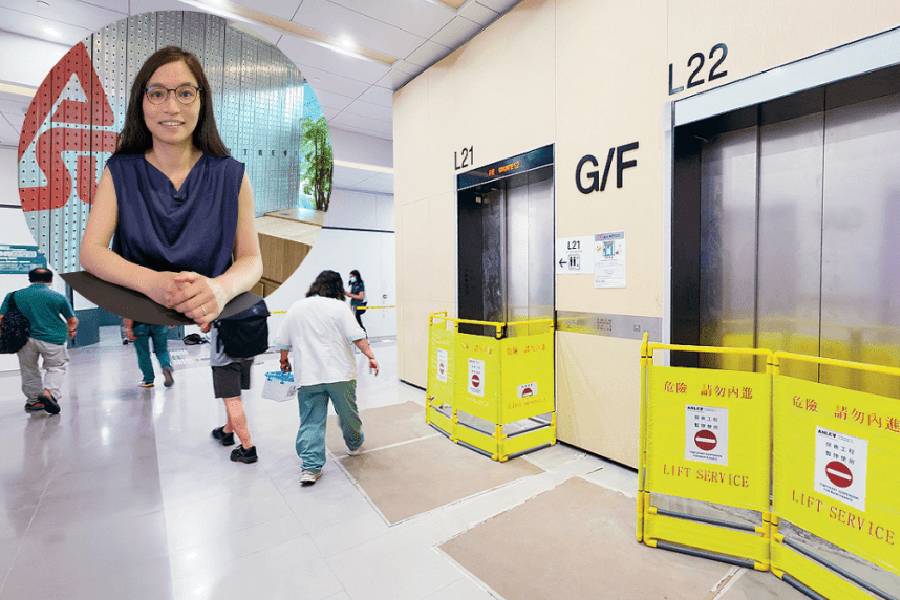






Two-fifths of expatriates in Hong Kong feel uncertain and stressed about the future, global health service company Cigna International has found.
The Cigna 360 Global Well-Being Survey of 11,922 people worldwide reveals expat stress has reached an all-time high, with almost all respondents feeling symptoms of burnout.
In its report entitled Burned Out Overseas: The State of Expats Life 2022 the company said 90 percent of those surveyed reported feeling stressed and 98 percent experienced symptoms of burnout.
The figure was higher than that of employees in company's home markets, where 77 percent of personnel said they were stressed.
Most of the expats had also been reevaluating their life priorities, which saw a shift from financial rewards above all else to lifestyles, friends and families.
"Many expats saw their lifestyles completely upended by the pandemic, being separated from family, friends and colleagues," said Jason Sadler, president of international markets for US-based Cigna.
Besides, less than half of those surveyed were confident they would remain on expatriate terms in the coming two years, and 14 percent said they would likely go home.
However, being an expatriate has remained a popular option for younger personnel.
Thirty-seven percent of those aged from 18 to 24 and 24 percent of those from 25 to 34 said they wanted to move overseas, and 23 percent of non-expats were keen to do the same.
The survey also found an increase in the number of expats, especially in the mainland, which recorded a rise of 14 percent.
That could be due to people returning to China after leaving the country early on in the pandemic, according to Cigna.
"With a new generation of young expats it is critical they have the support they need to be successful," said Cigna chief media officer Stella George.
"It is essential this includes robust mental health support, giving them the tools they need to be resilient in a still uncertain world, as well as health insurance that covers them living and working in an increasingly location-independent world."
The United States and the United Kingdom are the most attractive destinations for those planning to work abroad, with 16 percent of the hopefuls favoring those two.
The mainland and Saudi Arabia were the least popular, attracting interest from 1 percent.
In Hong Kong, 40 percent of expatriates consider uncertainty about the future to be the most significant source of stress, followed by personal finance at 34 percent and world politics at 26 percent.
Among expats who would like to relocate from Hong Kong, 47 percent would like to return to homes countries.
Canada ranked the most popular destination for those seeking to leave Hong Kong -- at 20 percent of those surveyed. Then came Australia (18 percent) and Japan and the mainland at 12 percent.
Also among expats in Hong Kong, only 24 percent were positive about their health and well-being, while 30 percent had negative perceptions.
Yet despite the travel restrictions Hong Kong remains a popular destination for a "mid-stay," with over 40 percent of expats staying for one to five years.
That is not consistent with the overall region, where short stays are more common.
leopold.chen@singtaonewscorp.com