Read More


Night Recap - November 24, 2026
5 hours ago

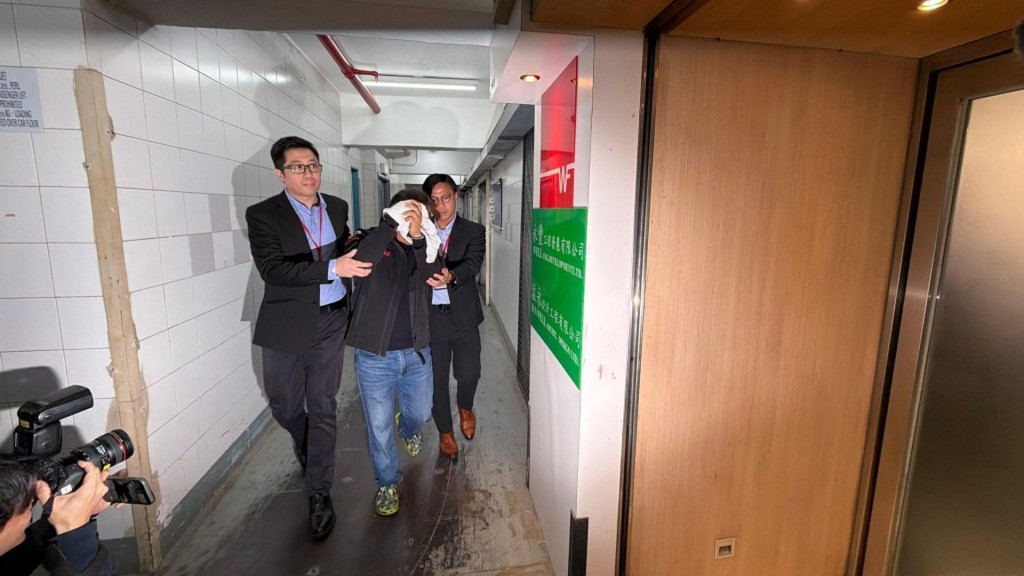
97 arrested in $130m building maintenance bid-rigging bust
24-11-2026 01:02 HKT
Staff reporter
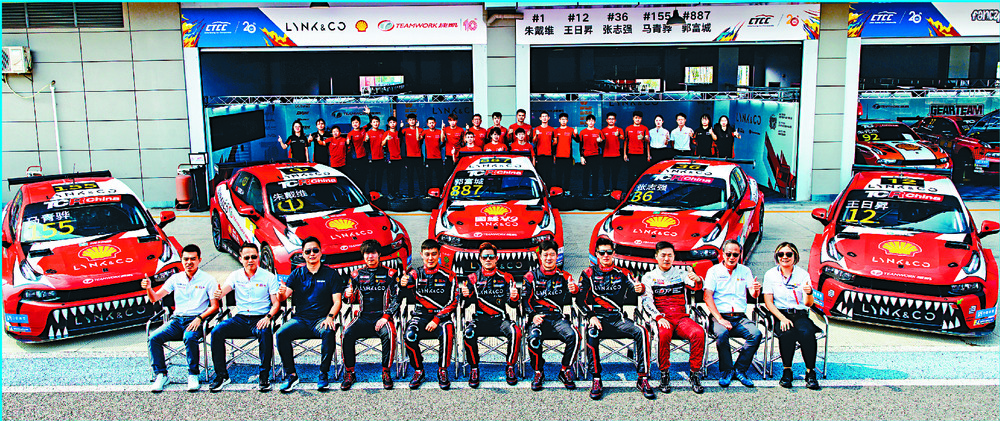
A Hong Kong racing veteran is leading a Chinese car racing team in developing electric vehicles.
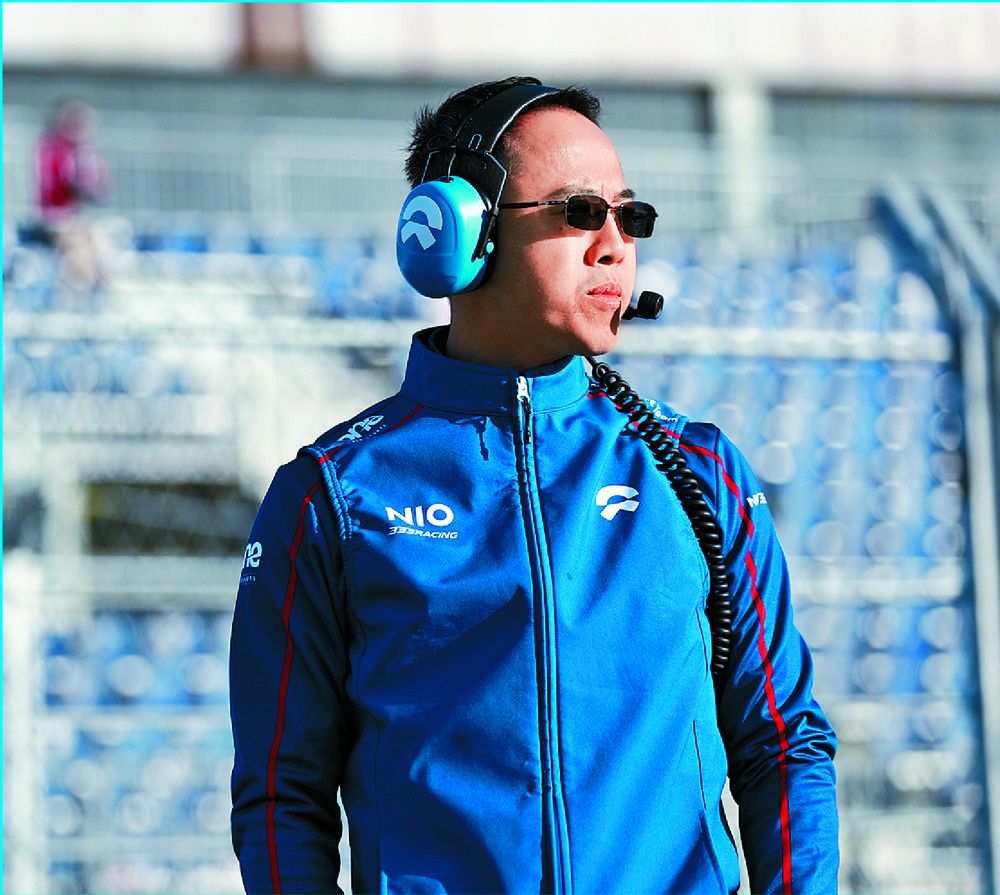
Alex Hui Ka-tai, the first Hong Kong leader of the ERT Formula E Team, said the e-vehicle technologies developed by his team will benefit both Hong Kong and mainland drivers.
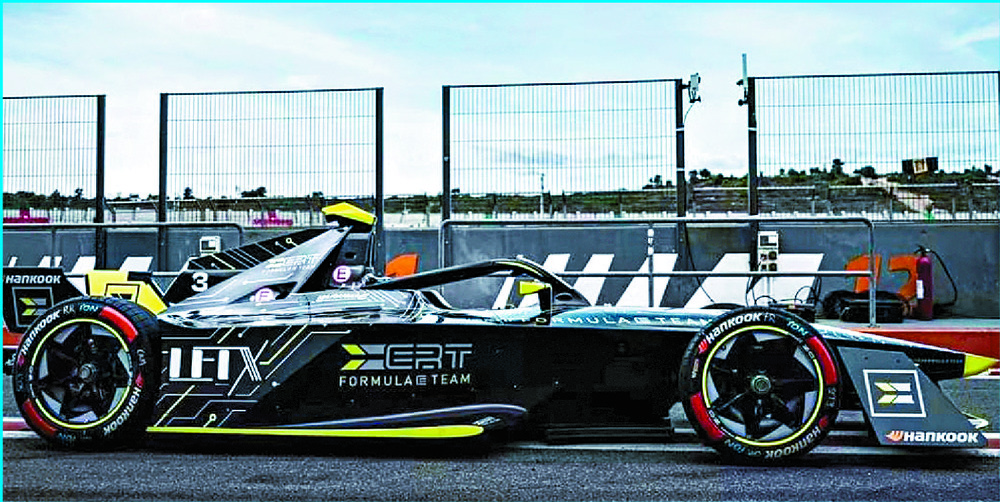
Hui's team will be participating in the FIA Formula E World Championship in Shanghai next year.
As a car lover, Hui went to Beijing after graduation to work in the automotive aftermarket industry, which encompasses all post-sale products and services for vehicles, and eventually became a racer.
"Due to my job nature, I often go to the racetrack. I have always loved the pursuit of speed since I was young. I found it irresistible when seeing the racetrack and racing cars, and I eventually became a racing driver," Hui said.
Industry veteran Hui was successful in catching up with the growing trend of e-vehicles and established the direction of developing Electric Racing Technologies for the ERT Formula E Team, hopeful these could benefit the mainland and Hong Kong markets.
He explained that racing teams would keep improving their vehicle's energy efficiency so that the cars could finish the race with the least amount of electricity used. "Our team has developed a more efficient powertrain for our cars, and it is expected to be applied on our Formula E racing cars in the 2025 season," he said.
In a motor vehicle, the powertrain comprises the main components that generate power and deliver that power to the road surface, water or air - including the engine, transmission, drive shafts, differentials and the final drive.
"In the long term, the technologies we developed will apply to the civilian electric vehicles in the market," Hui said.
The structure of civilian electric cars is based on traditional fuel vehicles, which was developed six to eight years ago.
With the latest electric car technology, the drive, brakes and tires are mainly controlled by motors with a precise computer program, Hui said.
In case of uneven power distribution between the front and rear axles, the program will immediately make adjustments to the motor's output.
Hui is also confident in his racing team's research and development construction, as he has abundant experience in motor sports and has a unique view of international and economic situations.
He also holds great hopes in the Chinese electric car market - as China is the biggest exporter of rare-earth elements and magnets, which are the major components for making batteries and motors.
Hui also suggested Hong Kong take advantage of introducing innovative technologies such as Formula E, to train motor sports talent, so as to attract mainland electric car brands to set up R&D centers in Hong Kong.
"If Hong Kong can do so, there is no reason [Chinese electric car manufacturers] would still need to rely on European engineering companies for research and development centers," he said.