
Read More
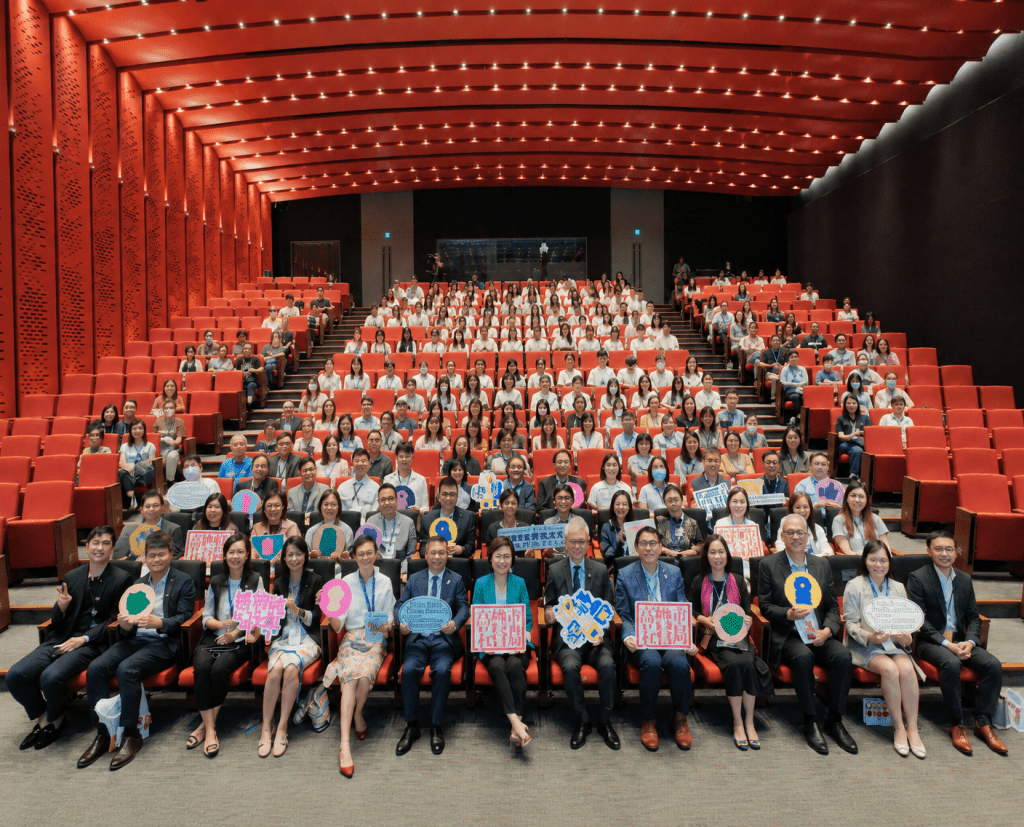
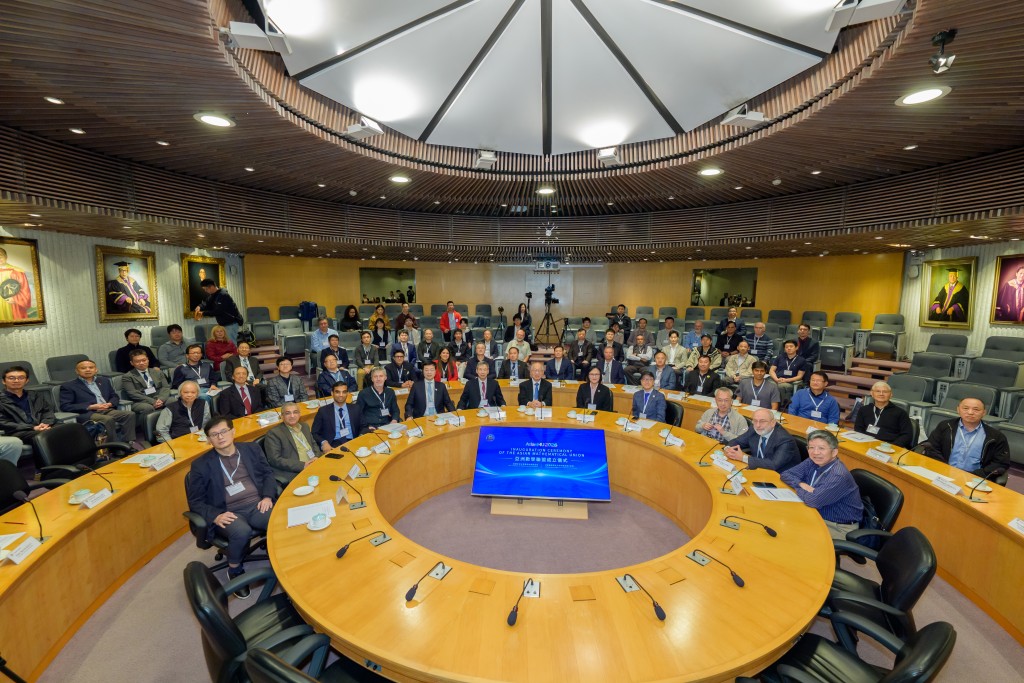
Renowned mathematician and Fields Medalist Yau Shing-tung has spearheaded the founding of the Asian Mathematical Union, establishing a pan-regional academic platform dedicated to advancing pure mathematics, applied mathematics, statistics, and artificial intelligence.
ADVERTISEMENT
SCROLL TO CONTINUE WITH CONTENT
The initiative aims to recruit 100 postdoctoral researchers worldwide every year alongside senior and junior scholars.
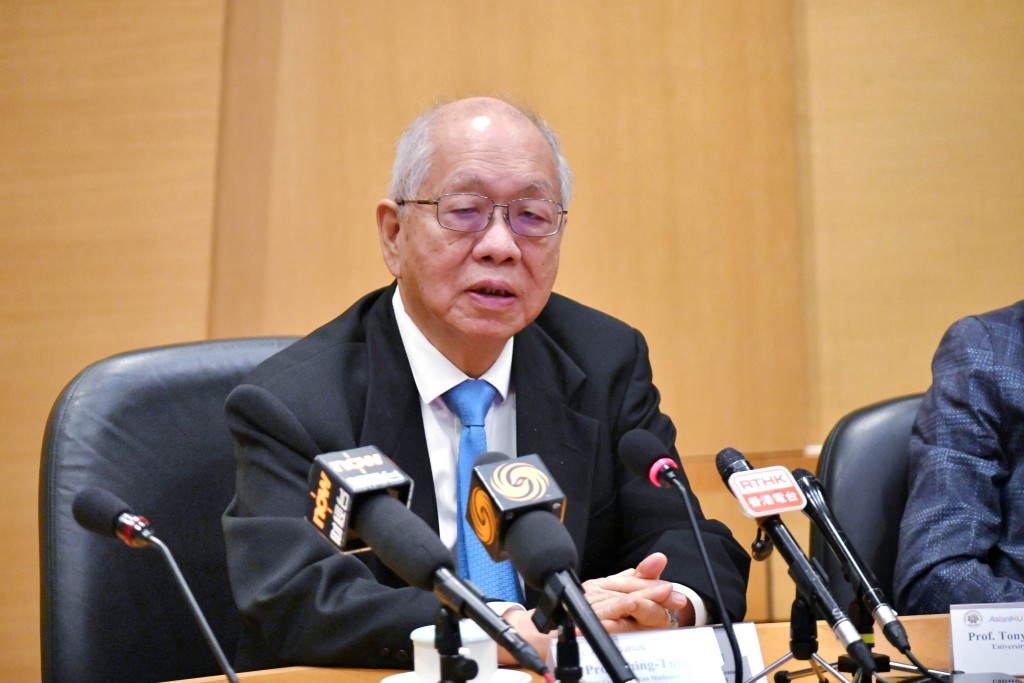
Speaking at the inauguration ceremony, Yau emphasized that Asia possesses a deep talent pool and described artificial intelligence as a pivotal opportunity for Asian mathematicians to "overtake on the curve" and bridge the historical gap with Western academia.
The union was co-initiated by the Institute of Mathematical Sciences at The Chinese University of Hong Kong (CUHK) and the Hetao Institute of Mathematics and Interdisciplinary Sciences in Shenzhen, in partnership with mathematical societies and research institutes across Asia. Yau serves as the chairman of the preparatory committee.
Bridging the global mathematical map
Yau noted that regional mathematical bodies—including the European Mathematical Society, the African Mathematical Union, and mathematical councils across Latin America—have long established coordinated platforms for regional collaboration.
With Asia rapidly expanding mathematical community, founding the Asian Mathematical Union completes the global regional map and provides a unified voice for the continent.
The union plans to establish close collaborative links with the International Science Council (ISC), the International Mathematical Union (IMU), and counterpart regional organizations worldwide to drive multinational research initiatives.
Annual recruitment of 100 postdoctoral fellows
To build a high-caliber international research cohort, the union has mapped out plans to recruit 100 postdoctoral researchers, 25 senior faculty members, and 30 junior faculty members each year.
Under the postdoctoral scheme:
Core regional quota: 30 places are reserved equally among six leading participating countries—China, India, Russia, Japan, South Korea, and Iran—with each eligible to nominate five candidates.
Pan-Asian quota: 50 spots are open to scholars across all Asian nations and territories.
Global quota: The remaining 20 spots are allocated to applicants from the Americas, Europe, Latin America, and Africa.
Reflecting on the recruitment drive, Yau remarked that securing 100 postdoctoral candidates presents no obstacle today, in contrast to a decade ago when the region faced talent shortages.
He noted that the newly launched union has already attracted overwhelming interest, requiring a competitive screening process.
AI as an engine to 'overtake on the curve'
Addressing the rapid rise of artificial intelligence, Yau characterized AI as a powerful catalyst for mathematical breakthroughs rather than a disruptive threat.
He observed that catching up with decades of American preeminence through traditional mathematical pathways remains challenging, but the integration of AI provides a historic opportunity for Asian scholars to make rapid technological and theoretical leaps.
He urged regional governments and tertiary institutions to seize this technological shift, establish multinational research laboratories, and align with frontier academic trends.
Responding to speculation that AI could potentially solve long-standing milestones such as the Riemann Hypothesis, Yau noted that AI serves as a powerful assistant capable of handling computations and patterns once deemed impossible, ultimately helping mathematicians deepen human understanding of the laws of nature.
Moving beyond famous conjectures
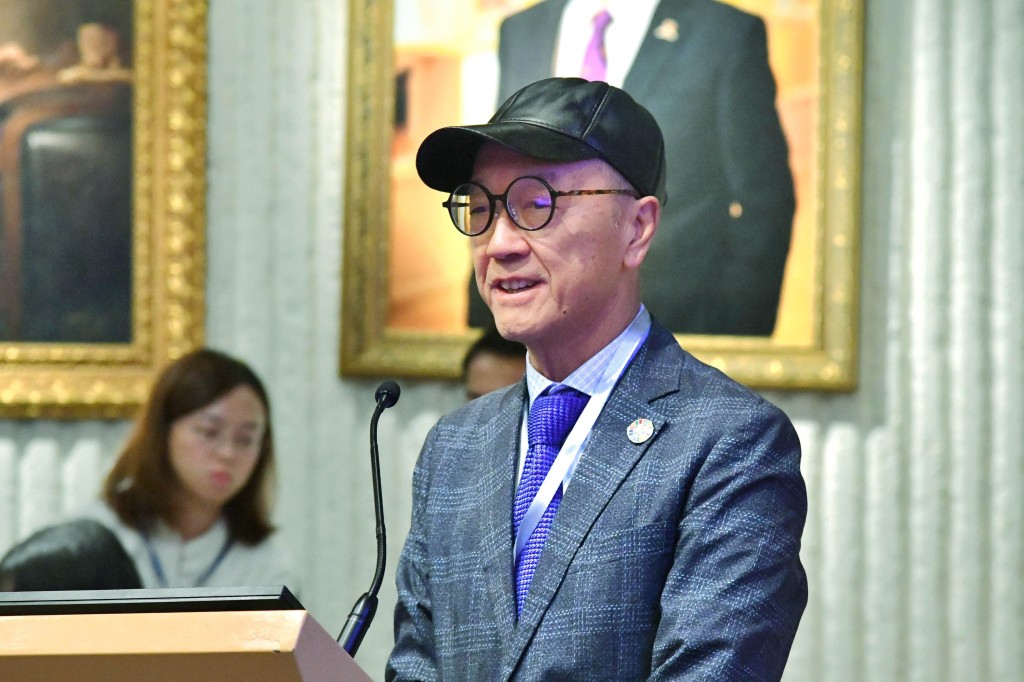
Also addressing the ceremony, Professor Tony F. Chan, former president of The Hong Kong University of Science and Technology (HKUST), warned against popular misconceptions regarding the discipline.
Chan noted that the public frequently associates mathematics solely with cracking historic, celebrity unsolved problems.
However, he emphasized that the true essence of mathematics lies in deciphering the fundamental laws of nature and driving interdisciplinary applications across science and engineering.
He urged the academic community not to focus disproportionately on famous conjectures, cautioning that doing so could impart skewed priorities to the next generation of young scholars.