
Read More
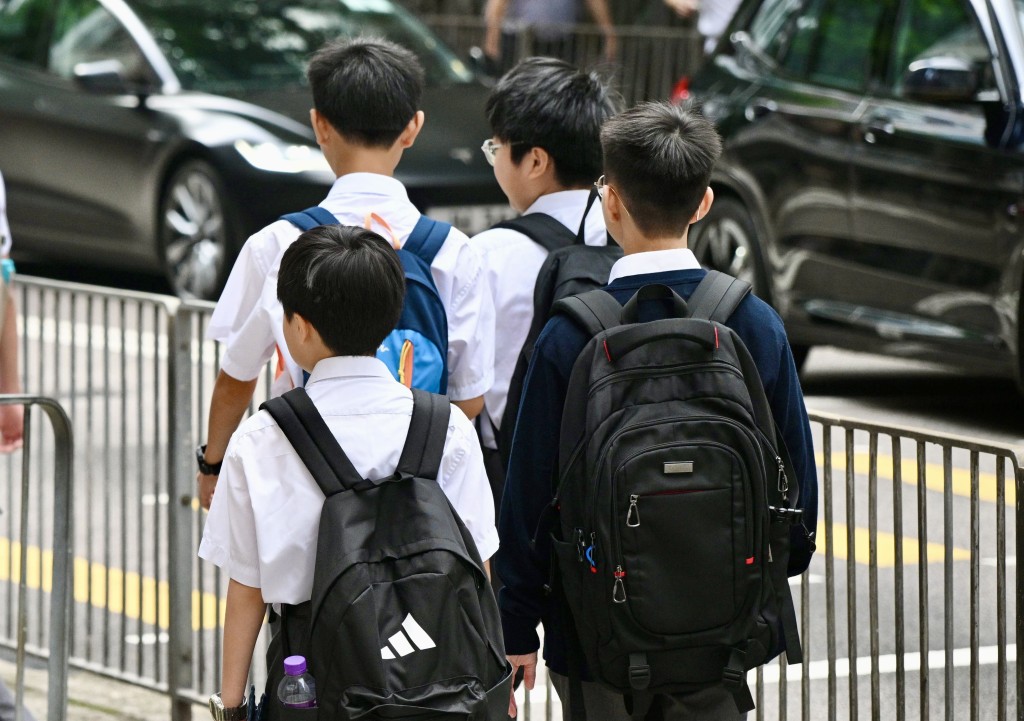
The Legislative Council has passed a non-binding motion calling for measures to establish Hong Kong as a leading international education hub, with a lawmaker urging the government to reopen the path for elite publicly funded schools to become semi-private.
ADVERTISEMENT
SCROLL TO CONTINUE WITH CONTENT
The motion, moved by lawmaker Alex Fan Hoi-kit during a resumed sitting on Thursday, was passed with majority support from lawmakers present in each of two separate groups.
It calls on the government to set targets, timelines and a roadmap for developing Hong Kong as an international education hub; align the Hong Kong Diploma of Secondary Education Examination with international standards and broaden its recognition.
It also urges the government to optimize the Direct Subsidy Scheme (DSS) Expansion, streamline approval for student hostels and devote more resources to promoting “Study in Hong Kong.”
The DSS expansion, first outlined in Chief Executive John Lee Ka-chiu’s policy address last year, allows DSS schools to admit non-local students on a self-financing basis.
Lawmaker Peter Douglas Koon Ho-ming called for a review of efforts to expand the DSS. He cited the rejection in 2018 of an application by Wah Yan College, Hong Kong, saying that since then no traditional aided school had successfully converted to DSS status.
Koon said elite traditional schools were highly sought after by local parents and overseas applicants. He urged the Education Bureau to let century-old schools apply to join the scheme.
Acknowledging concerns about fairness, Koon called for safeguards to ensure that students from low-income families were not priced out. He proposed full fee waivers and additional financial assistance, including for pupils recommended by primary schools, to help attract top students and demonstrate what draws them to Hong Kong.
Lawmaker Sunny Tan called for greater investment in promoting the “Study in Hong Kong” brand, with outreach covering the wider education system, not just higher education. He suggested using the Task Force on Study in Hong Kong to arrange for local experts and institutions to take part in overseas exhibitions and international conferences, host major education expos in Hong Kong and bid to stage international education conferences.
Tan also urged the government to attract internationally renowned institutions to establish offices, research or exchange centers, and branch campuses in Hong Kong. He said leading industry bodies should be encouraged to develop programs with local institutions, including vocational and professional education providers, in fields that support the city’s ambition to become an international center in eight sectors.
Under Secretary for Education Jeff Sze Chun-fai said the government continued to support institutions’ international outreach through overseas promotions, education fairs, scholarships and information sessions on studying, living, further education and career opportunities in Hong Kong, as well as networking among students and alumni.
On the DSS expansion, Sze said a headcount in September found that 170 non-local students with student visas were enrolled at DSS schools on a self-financing basis this school year, a 13 percent increase from last year. He described the figure as a solid start and said it reflected overseas students’ and parents’ confidence in Hong Kong’s education.
The scheme is an initial step towards extending the city’s international education hub strategy to primary and secondary education, he said, adding that it would be introduced gradually on a pilot basis.