






Read More


Night Recap - November 19, 2026
25 mins ago











HK filmmaker Peter Yung's house in Lantau Island sold for $2.88 million
18-11-2026 18:44 HKT
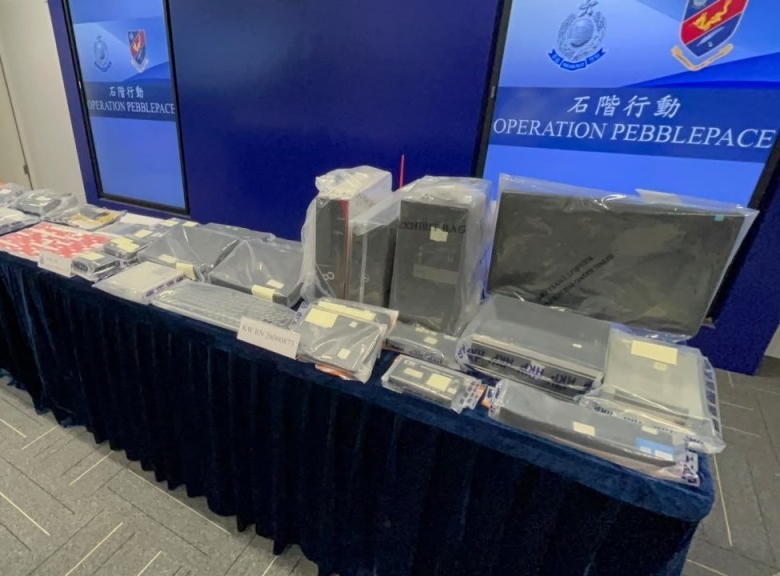
Police recorded nearly 10,000 phone scam cases in the first three quarters of the year, with losses totaling more than HK$1.9 billion.
Superintendent of the Commercial Crime Bureau Shirley Kwok Ching-yee said on Thursday that police received 34,679 reports of deception between January and September, accounting for about half of all reported crimes.
Phone scams made up nearly 30 percent of those reports, with 9,999 reports involving about HK$1.94 billion. More than 2,000 cases were recorded in August, marking a record high.
Kwok said impersonating customer service staff remained the most common tactic, accounting for about 60 percent of phone scams. Scammers often pose as representatives of well-known retailers, online shopping platforms or logistics companies, claiming there is a problem with an order or service. They then offer “compensation” and trick victims into transferring money to designated accounts under the pretext of verifying their identities.
She said scammers often know their victims’ names, phone numbers and genuine transaction records, prompting police to launch a joint investigation with the Office of the Privacy Commissioner for Personal Data into possible leaks of personal information.
In many impersonation scams, calls come from numbers beginning with “2” or “3”, which resemble landline numbers. Similar numbers are also listed as customer service hotlines in phishing text messages.
Police found that many of these are not traditional landlines, but internet-based numbers obtained through online platforms. Offenders register them as individuals or through shell companies to make their calls appear legitimate.
Kwok said that while real-name registration rules limit the number of prepaid SIM cards a person can hold, current laws do not impose a uniform cap across telecom operators on the number of monthly subscription lines a corporate client can register. These include fixed-line and internet telephony numbers. Scammers can apply for multiple numbers at once or in batches under company names for use by syndicates.
Rather than setting up numerous accounts, offenders can use a single company name to obtain multiple phone numbers and establish scam-call centers, allowing them to reach large numbers of residents quickly. The model is low-cost and potentially lucrative, she said.
Kwok urged telecom operators to strengthen customer vetting, number allocation and monitoring for unusual usage so they can identify and block suspicious services or scam-linked numbers earlier.