
Read More
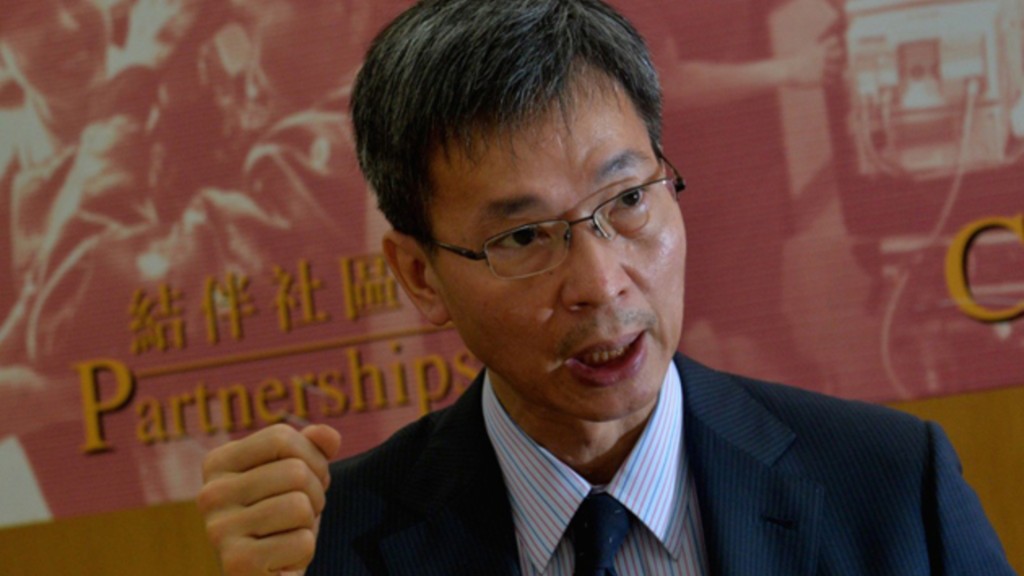
Cheung Tak-hong, a respected gynaecological oncologist at CUHK Medical Centre, is at the center of a recent medical incident after mistakenly removing both ovaries from a 45-year-old patient during surgery intended only to extract her uterus and fallopian tubes.
ADVERTISEMENT
SCROLL TO CONTINUE WITH CONTENT
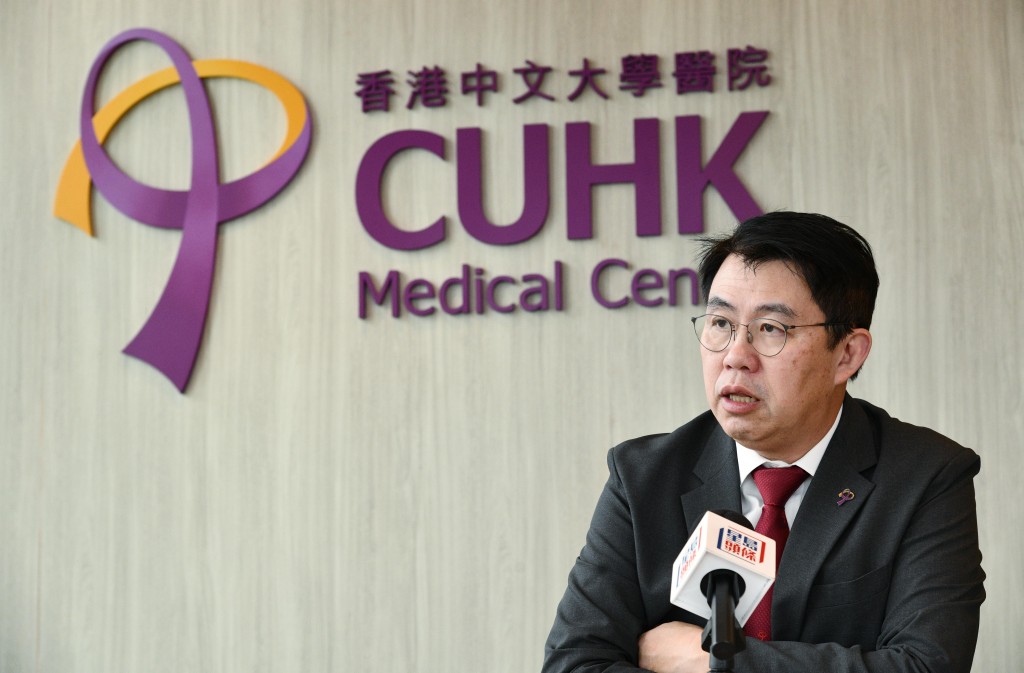
Cheung, a contract resident and specialist in Gynaecological Oncology at the hospital, described the error as a “rookie mistake” in an interview with Sing Tao Daily — the sister publication of The Standard. He took full responsibility, personally apologizing to the patient and her family, and pledged to continue overseeing her care to minimize any long-term effects. The patient has accepted his apology.
“There are no excuses for what happened,” Cheung expressed deep regret and vowed to reflect on his actions, emphasizing his commitment to preventing such mistakes in the future. While he will not stop performing similar procedures, Cheung said he will be more cautious and avoid taking on more cases than he can safely manage.
An anonymous obstetrician-gynaecologist explained that the accidental removal of both ovaries could trigger immediate menopause due to a sudden drop in hormone levels, but hormone replacement therapy can help with a smoother transition for patients.
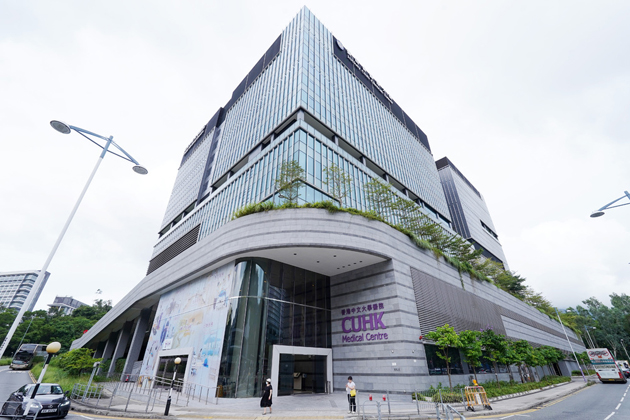
CUHK Medical Centre
Cheung is an Honorary Clinical Professor at CUHK’s Faculty of Medicine and has previously headed the obstetrics and gynaecology department at Prince of Wales Hospital. He also chaired the Medical Council of Hong Kong’s Preliminary Investigation Committee. Colleagues and patients alike note that despite the recent error, Cheung remains highly regarded for his professionalism and empathy.
Patients describe Cheung’s bedside manner as “thoughtful” and “heartwarming.”
One patient shared that Cheung provides extensive professional advice while frequently offering reminders and reassurance, praising him as an excellent doctor.
Another patient, who had previously undergone a Cesarean section, expressed concern that a subsequent surgery might result in an additional scar. She said Cheung reassured her that he would do his best to place the incision near the existing scar.
Ultimately, the surgical wound was managed exceptionally well, leading the patient to commend Cheung for his ability to empathize with patients and consider their feelings when handling medical matters.