Read More


Health Bureau: Govt did not request early repayment from CUHK Medical Centre
28-04-2026 01:55 HKT
CUHK steps in to help Medical Centre repay $4b govt loan ahead of schedule
27-04-2026 22:19 HKT
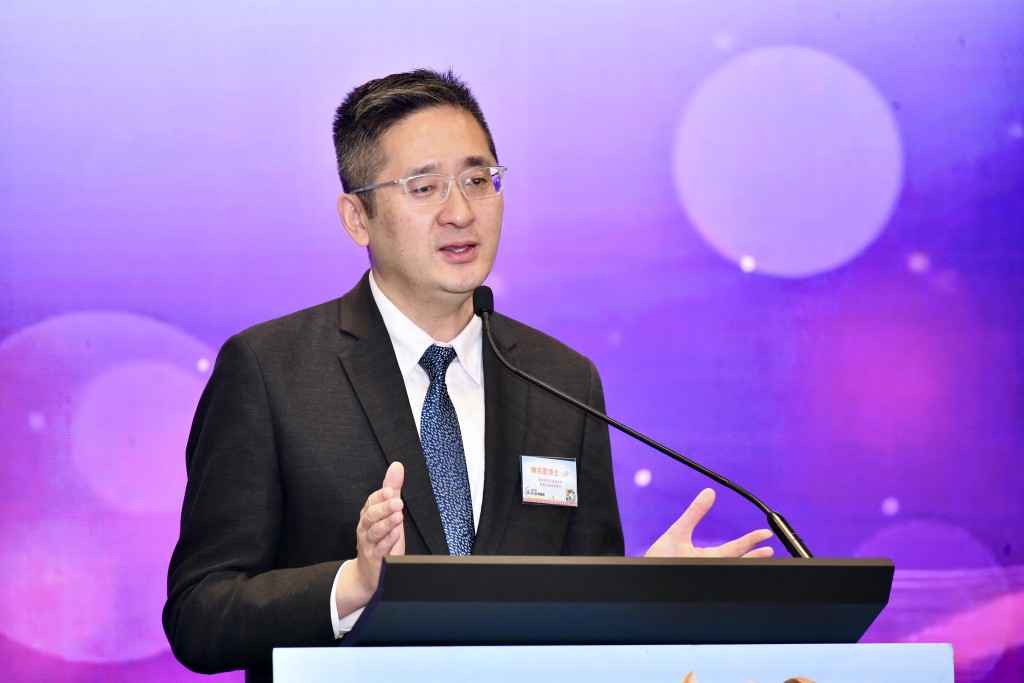






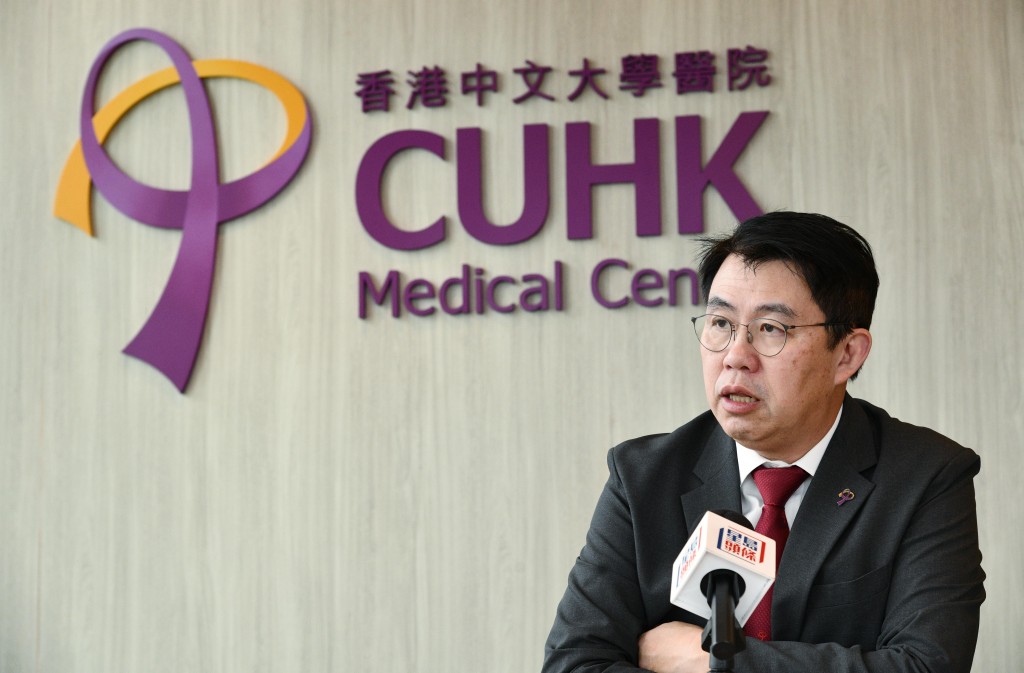
The surgeon who wrongly removed a patient’s ovaries during an operation at CUHK Medical Centre is a contract resident, and admitted the error to the patient and her family shortly after the incident, the centre’s chief executive Chung Kin-lai said on Wednesday.
Chung spoke to the press after the Department of Health included the case in its list of sentinel events at private hospitals recorded in September. The 45-year-old patient’s ovaries were mistakenly removed during an operation intended to remove only her uterus and fallopian tubes.
Chung apologized to the patient, her family and the public. He said the obstetrician-gynecologist involved was not a hospital employee but worked at the centre as a contract resident.
Chung explained that the patient had stated before the operation that she wished to preserve both ovaries. However, the surgeon encountered difficulties during the dissection phase, which took about 15 to 20 minutes to complete, before proceeding incorrectly and carrying out a procedure not consented to by the patient.
Chung said he called the surgeon that night to ask whether any underlying condition had made it necessary to remove the ovaries. The doctor said no and admitted making a mistake.
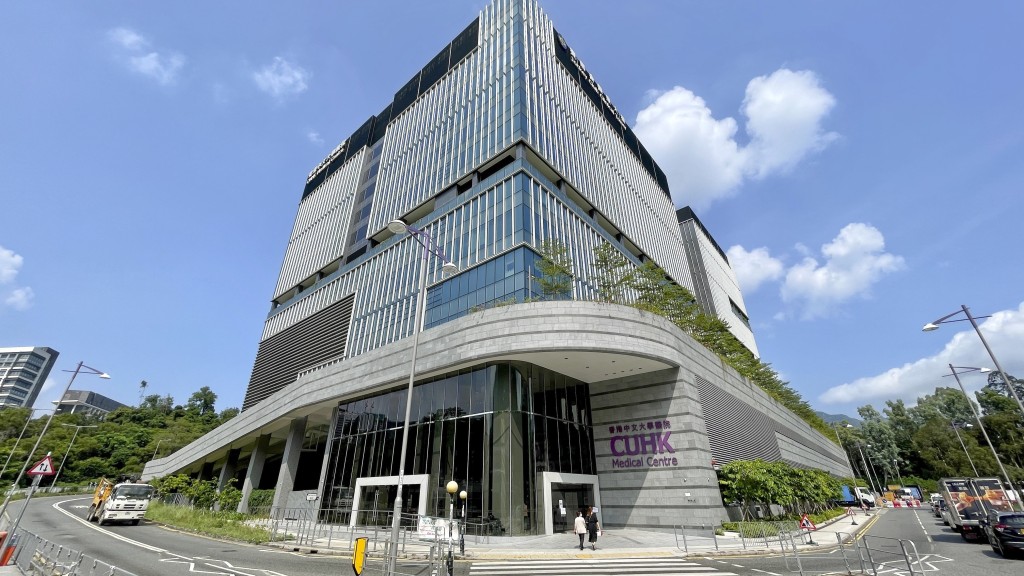
The hospital’s Chinese-language statement had described the surgeon as having a “cognitive blind spot”. Chung said the phrase came from the root-cause analysis panel’s report and referred to a “temporary collapse of situational awareness”: the doctor became overly focused and momentarily failed to recognize the correct procedural steps. He acknowledged that the Chinese wording was imperfect and said there had been no attempt to obscure what happened.
He said the hospital reported the incident to the Department of Health within 24 hours. It waited for the department to disclose the case before addressing the public, as it was arranging follow-up care and support for the patient.
Chung declined to identify the surgeon, describing them as an experienced and well-regarded specialist known for performing high-risk operations. The hospital had reviewed the doctor’s surgical records and assessed whether fatigue, physical condition or health issues could have contributed to the incident. It concluded that the case was isolated and unrelated to personal factors such as age.
The doctor has continued to perform operations, with nurses providing additional attention and support. Chung said those procedures had been completed safely and with good outcomes. He added that the hospital would not disclose any disciplinary measures, citing privacy concerns, but would inform the patient and her family and handle the matter under its personnel procedures.
Chung added that a patient relations officer has been supporting the patient and offered her the option of transferring to another doctor or hospital. She chose to continue receiving care from the same surgeon. No complaint has been lodged with the Medical Council.
He said the hospital and the surgeon will cover the costs of the patient’s follow-up consultations and treatment. The hospital also has procedures for handling compensation claims.
Chung added that while timely reminders from the operating theatre nurses would have been welcome, they should not be blamed if they did not detect or stop the error. The surgeon bore ultimate responsibility, he said, adding that the nursing team had followed standard procedures.