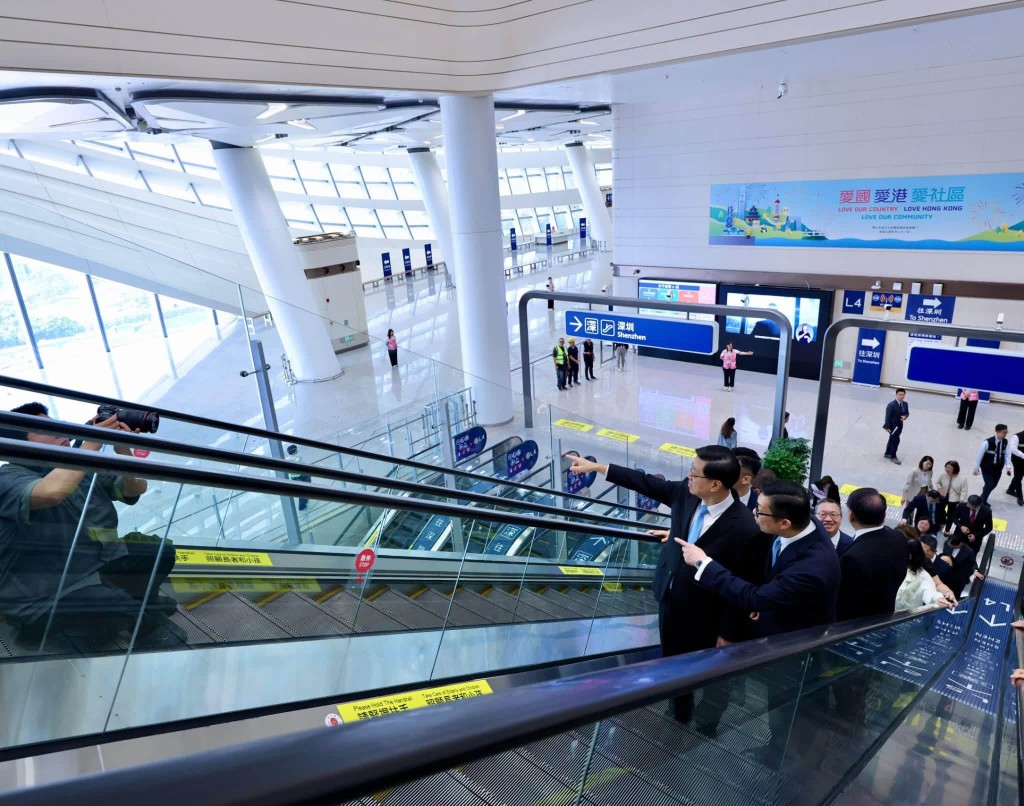
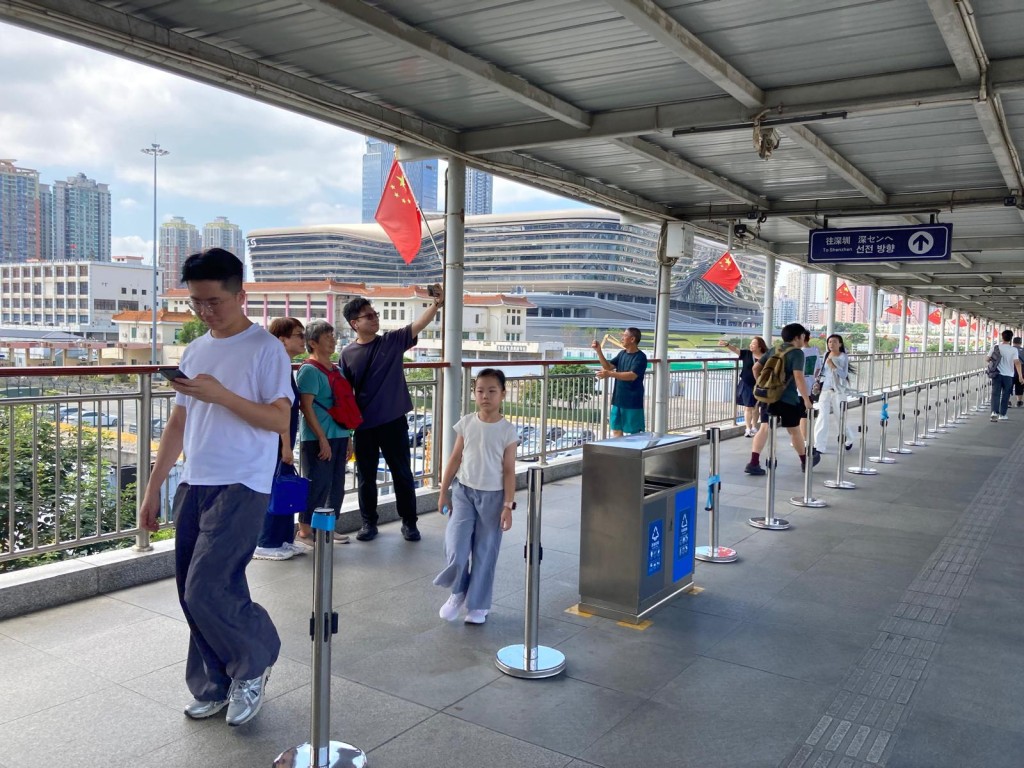
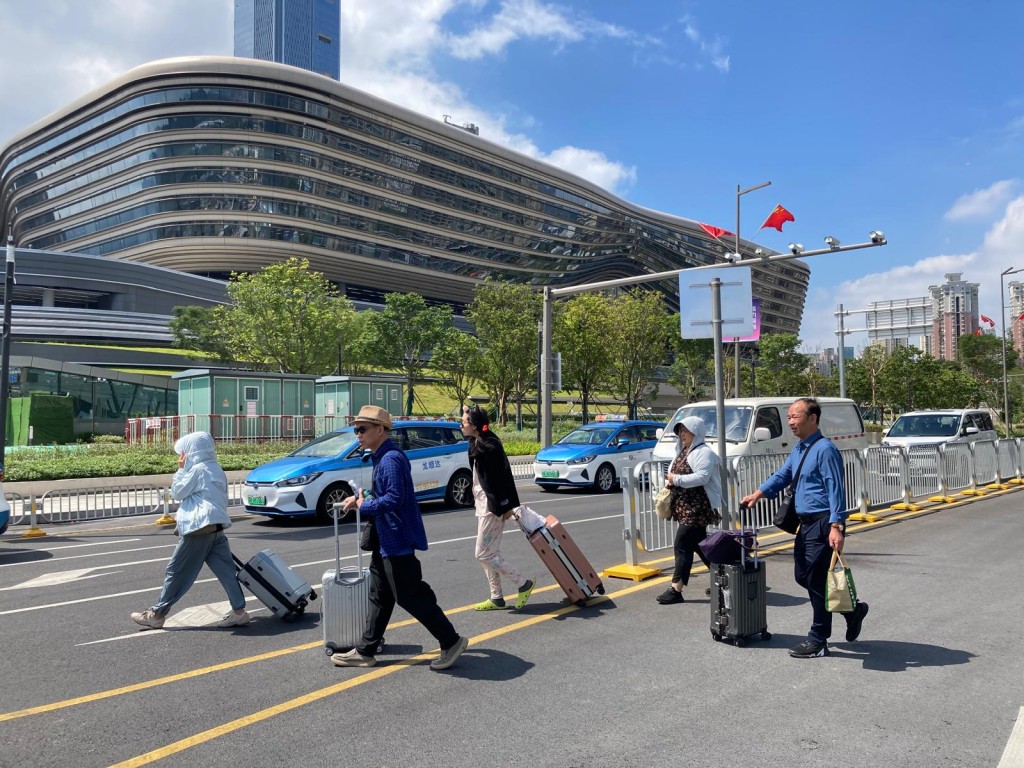
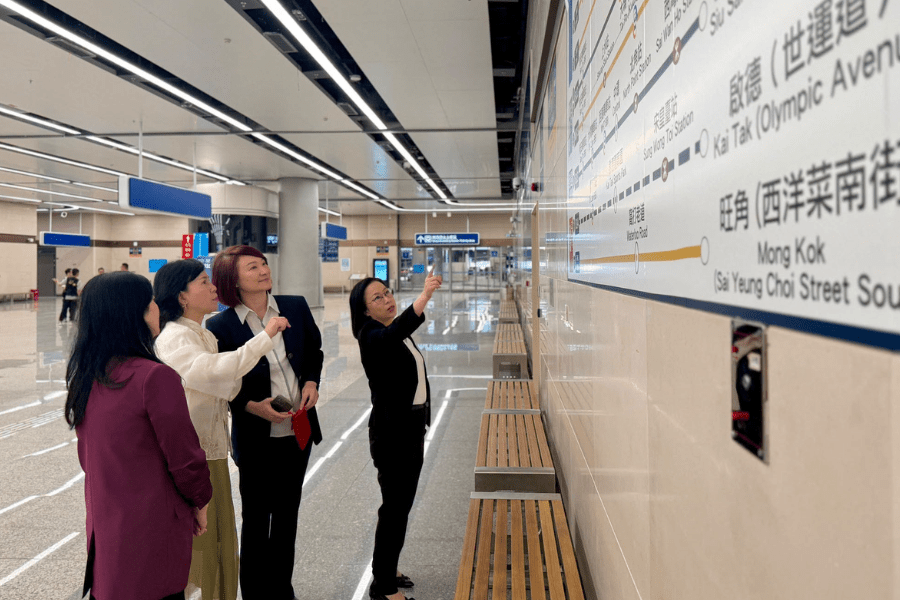
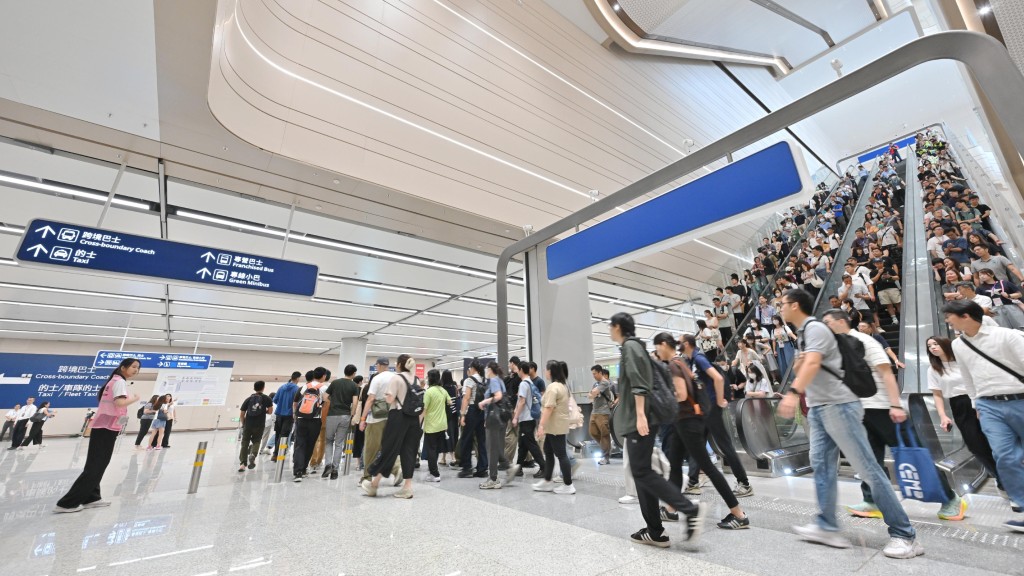
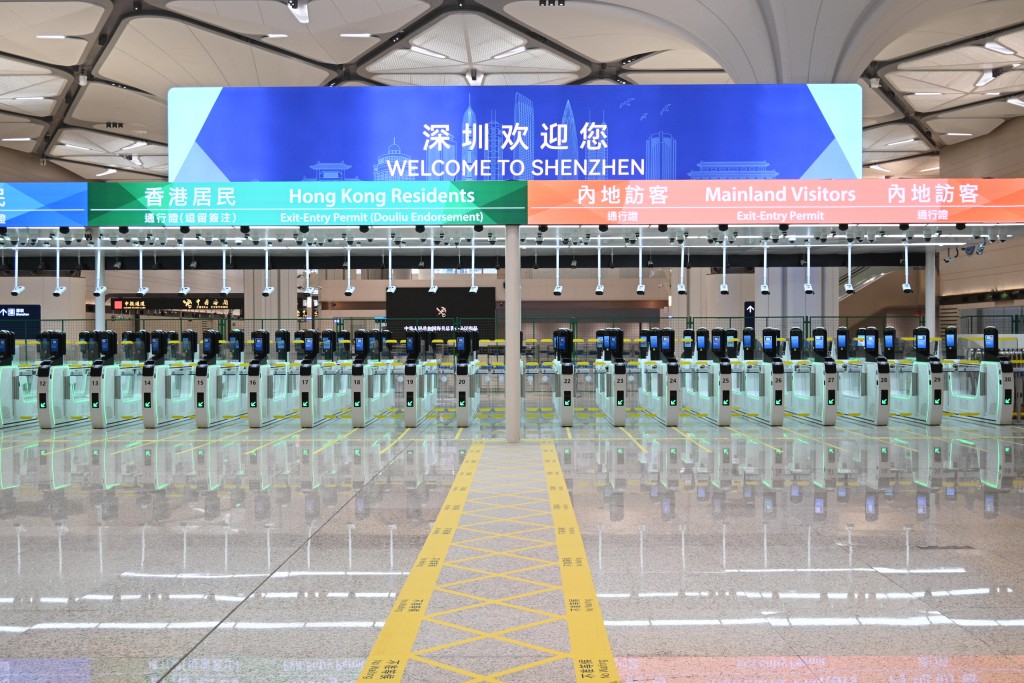
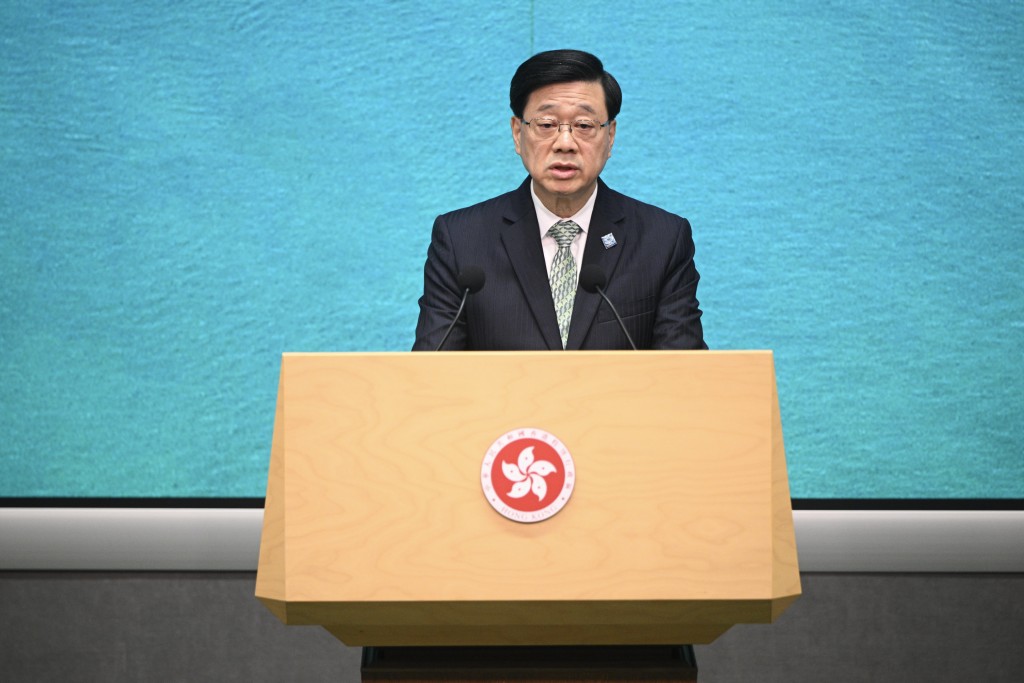
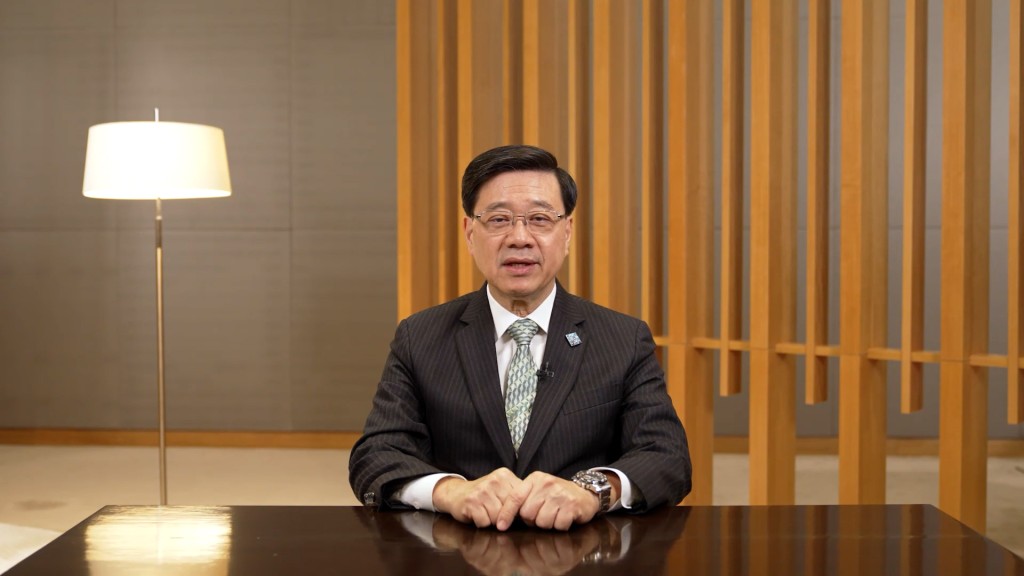
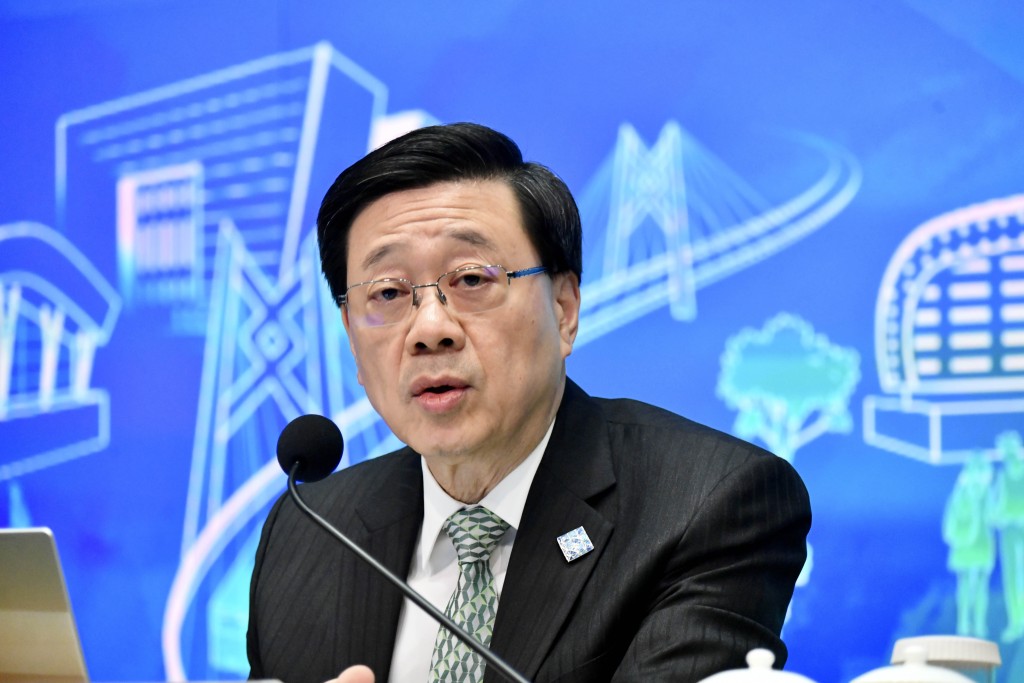
The redeveloped Huanggang Port is a concrete step by Hong Kong to align with national strategies and contribute to Greater Bay Area development, Chief Executive John Lee Ka-chiu said ahead of the port's opening on Monday.
ADVERTISEMENT
SCROLL TO CONTINUE WITH CONTENT
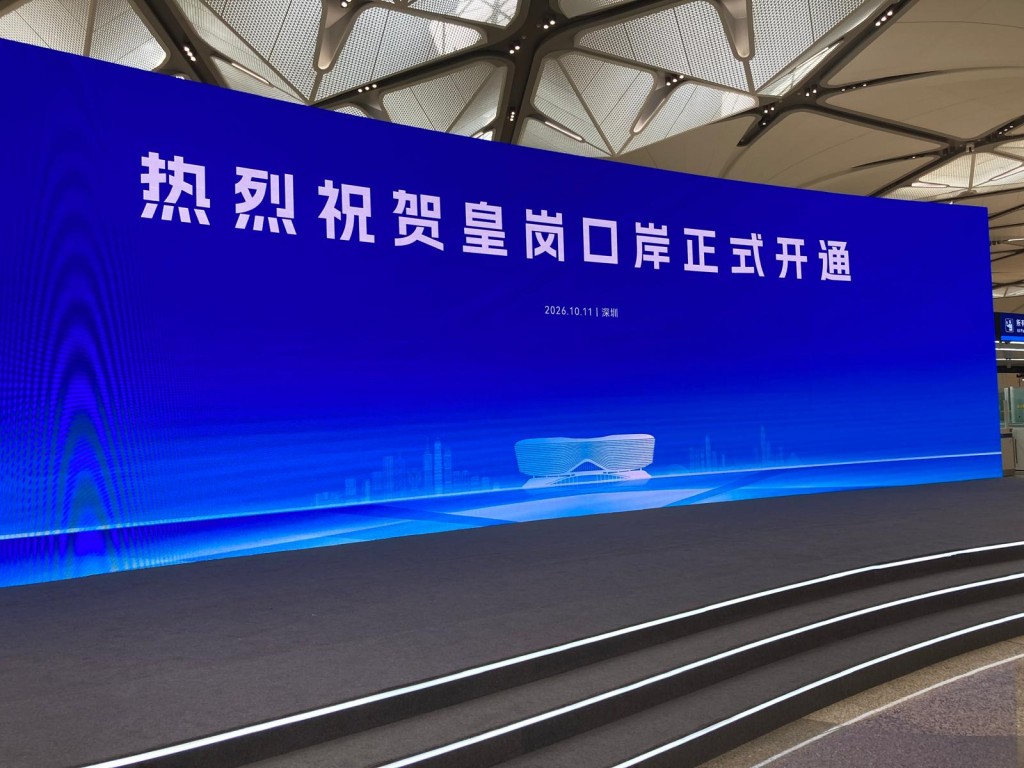
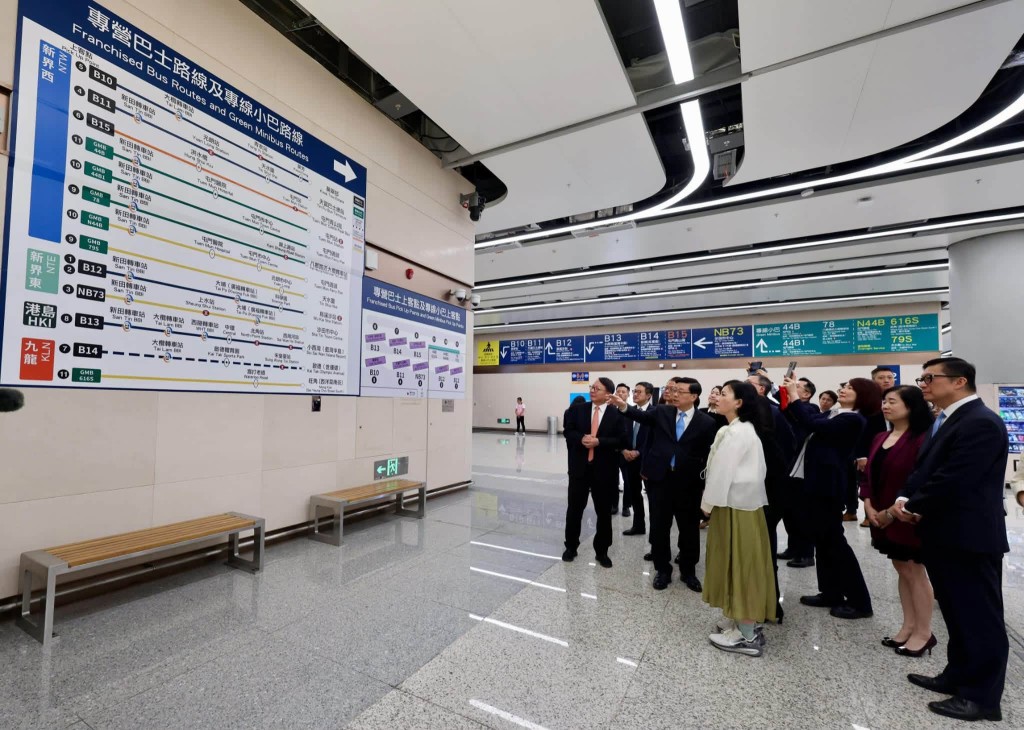
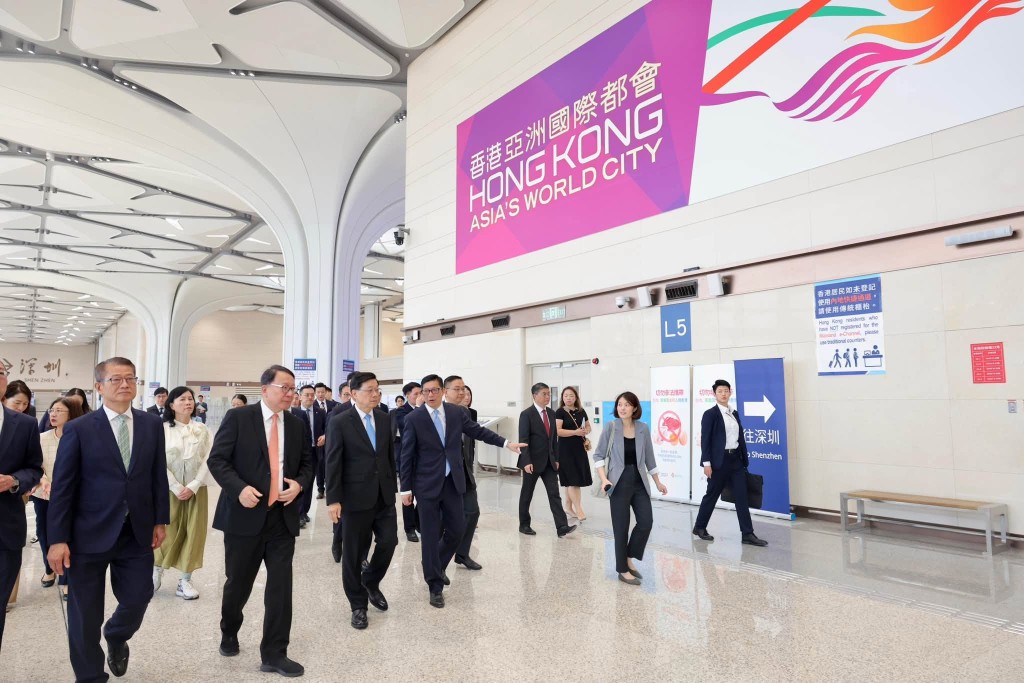
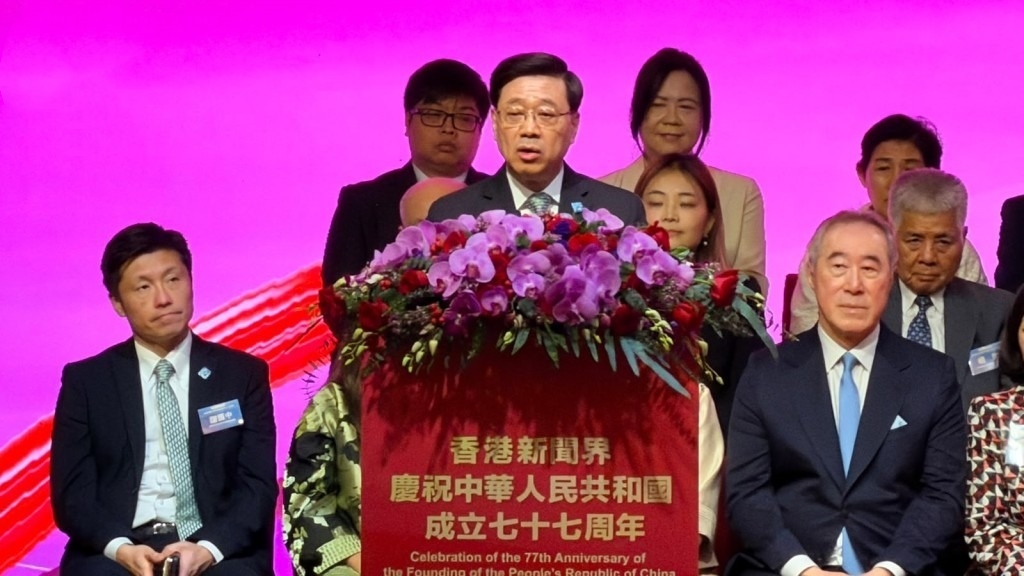
Lee's remark came as Hong Kong and Guangdong officials gathered in Shenzhen on Sunday for an opening ceremony, where he called the new port a landmark project built through joint efforts.
Among those present were Secretary for Security Chris Tang Ping-keung, chairman of the Standing Committee of the Guangdong Provincial People’s Congress Huang Chuping, the Secretary of the CPC Shenzhen Municipal Committee Jin Lei, Deputy Secretary of the CPC Shenzhen Municipal Committee Li Yun and Deputy Director of the Liaison Office of the Central People's Government Luo Yonggang.
Speaking at the ceremony, Lee said the port's opening carried three significant meanings, including the implementation of national planning.
The 15th Five-Year Plan called for deeper integration and coordinated development, he explained, with the new port key to faster connectivity of Greater Bay Area infrastructure, reform of customs clearance and closer integration of Hong Kong into national development.
The revamped Huanggang port was a representation of the city’s concrete action to align with national strategy and contribute to Greater Bay Area development, he added.
+4
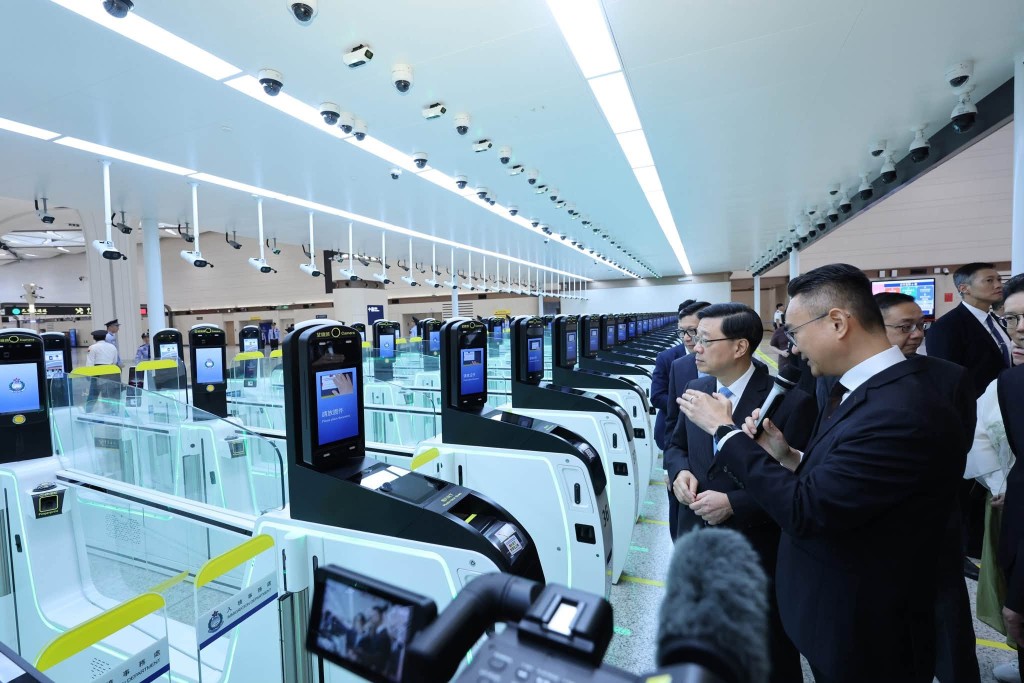
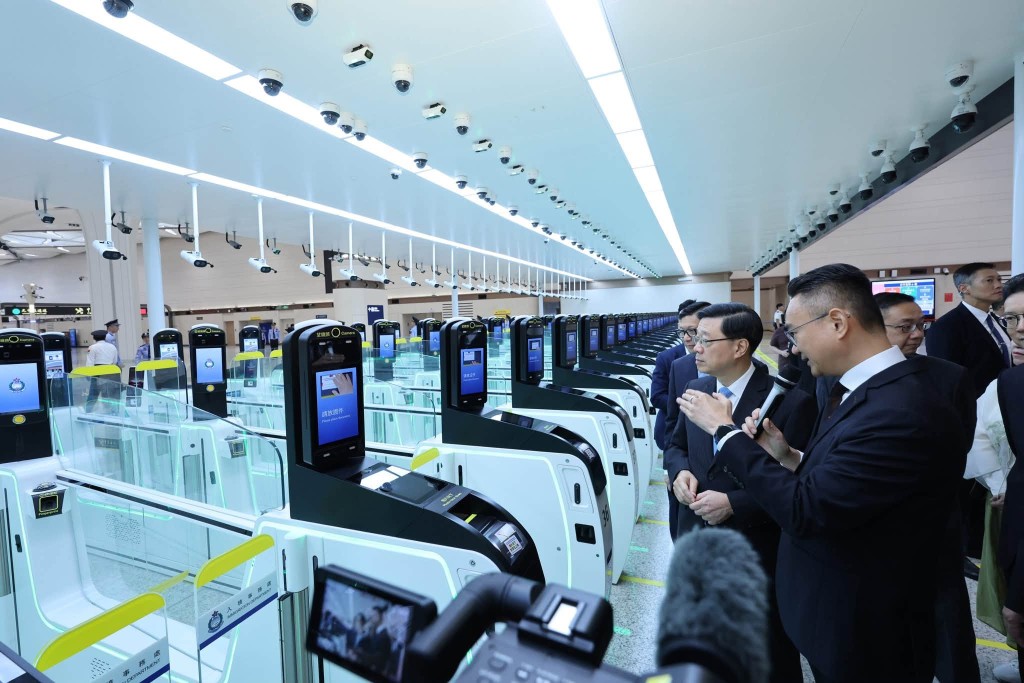
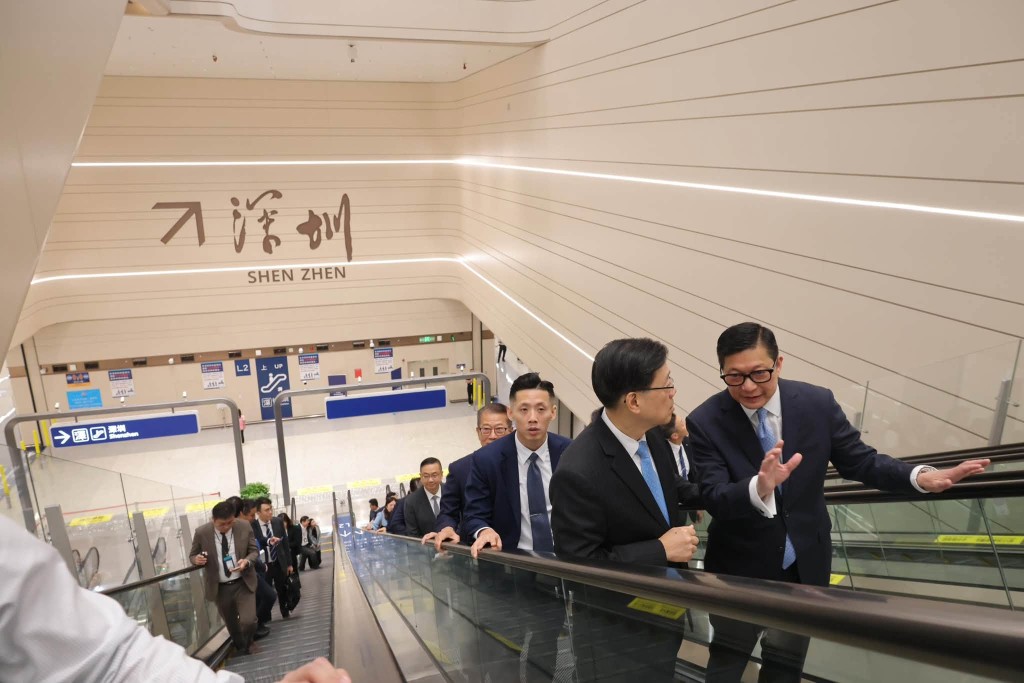
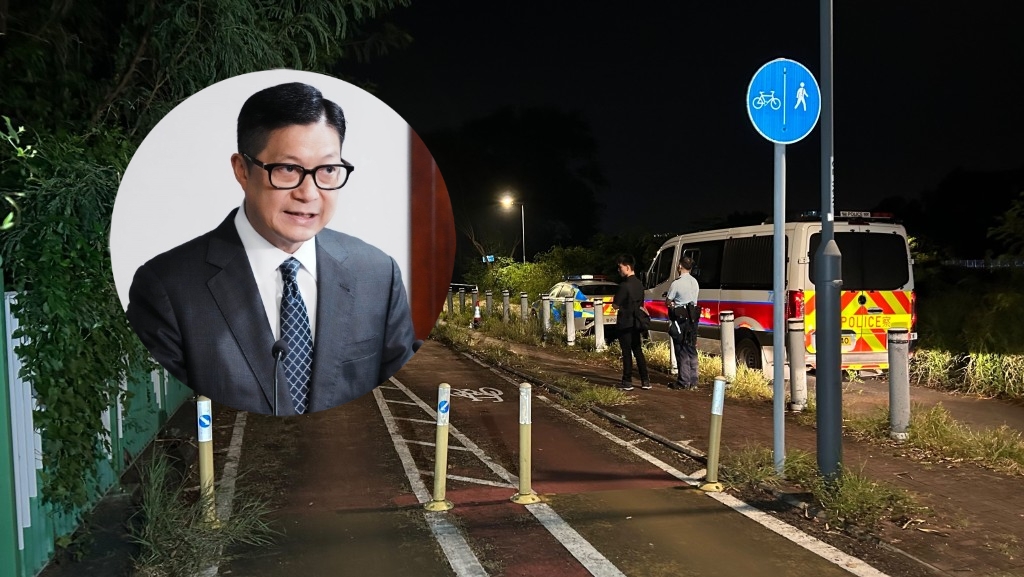
Following the ceremony, Tang told reporters that more than 100 tests, including stress, system and procedure checks, had been carried out since the Hong Kong port area was commissioned on July 31. Tang also expressed confidence that a safe, smooth and efficient experience would be offered when the port opened at 6.30am on Monday.
Meanwhile, Financial Secretary Paul Chan Mo-po said in his weekly blog that the new port was designed to handle 200,000 passengers a day — five times the old port's capacity.
Under the“collaborative inspection and joint clearance” model, the immigration procedures will cut clearance on both sides to about five minutes from 30 minutes, with 24-hour operations maintained.
Following the port’s opening on Monday, residents holding a Home Return Permit or a Mainland Travel Permit for non-Chinese nationals can use either their Hong Kong identity card or their permit when heading north.
For vehicles, a "joint one-stop" system will collect body temperature, document and biometric data simultaneously, enabling drivers to complete a "five-party inspection" without leaving their vehicles — expected to cut the whole process from 10 to two minutes.