Read More
For the last eight years Mathilde and her family have called Hong Kong home, but as the fifth wave tears through the city they are joining an exodus of foreign workers.
ADVERTISEMENT
SCROLL TO CONTINUE WITH CONTENT
"We're leaving and we will come back to empty our home whenever that is possible," she says. "All our close friends are leaving."
For Mathilde it was the risk of being separated from her three Hong Kong-born children that was the final straw after two years of tough restrictions. "We want to get our children out of here above all," she says.
Hong Kong used the mainland's zero-Covid strategy to keep the virus at bay until the highly infectious Omicron variant broke through at the start of the year.
But while other places that deployed similar tactics such as Australia, New Zealand and Singapore are learning to live with the virus, Hong Kong is doubling down - even as it records tens of thousands of new infections each day.
The SAR has been ordered by Beijing to curb the outbreak at all costs.
All 7.4 million residents will be tested this month, and authorities are building a network of isolation camps to house the infected, deepening fears that families will be separated.
As a result, departures have skyrocketed with a net outflow of 71,000 people - including 63,000 residents - in February, the highest since the pandemic began.
Travel restrictions have been hard on Hong Kong's foreign workers, who make up nearly 10 percent of the population.
Borders have been effectively sealed to visitors, and residents who do return have faced two to three weeks in expensive hotel quarantines throughout most of the pandemic.
"If there was a road map and we knew that there's some light at the end of the tunnel we might stay," says Heiko, a German entrepreneur who works in artificial intelligence. "Since this is not the case we've decided to leave."
Her youngest daughter recently celebrated her second birthday.
"Her entire life has been a sequence of lockdowns, multiple stays in quarantine hotels, closed playgrounds and closed kindergartens," Heiko says. "She's met her grandparents only once."
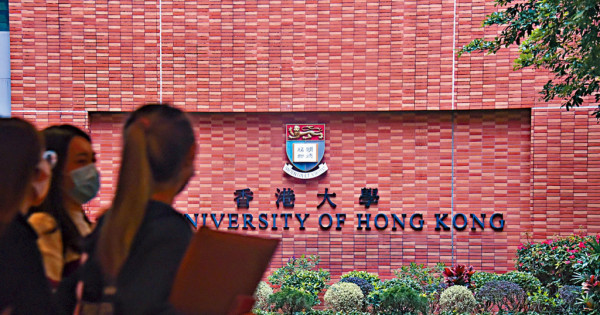
Lucy Porter Jordan, a sociologist at the University of Hong Kong, notes that before Omicron Hong Kong "had the restrictions, but you also had the safety. If you take that out of the equation you end up with this kind of perfect storm."
Most of those leaving, she adds, were people with children and "people that have the means."
Over the last fortnight Hong Kong has looked more like New York or London at the start of the pandemic than a place that had two years of hard-won breathing room to get ready. The administration was caught flat-footed with few plans in place to deal with a mass Omicron-fueled outbreak.
Hospitals and morgues were quickly overwhelmed and the SAR's current death rate is four times Singapore's, mostly accounted for by unvaccinated elderly residents.
Panic buying has stripped shelves bare, schools remain shuttered, and summer holidays have been brought forward so classrooms can be used for mass testing.
Companies and industry groups have been increasingly public in their talent-drain warnings. The European Union's local office estimates 10 percent of its nationals have left since the pandemic began.
Multiple airlines have reported a surge of bookings in recent weeks while shipping container prices have doubled in a year. Shipping company SendMyBag says outbound shipments have increased four-fold compared with 2021.
"Everybody is looking for tickets to go, people are fighting for containers," says Lin, a mother of two grown children. She is looking to move to Dubai after 12 years in Hong Kong and says many of her colleagues are doing the same.
"A friend who's leaving next week had a three-year-old BMW and she said 'You know what, I'm just giving it to charity because no one will buy it anyway.'"
The exodus adds to a wave already under way of locals, which began after China cracked down on democracy protests.
Between June 2020 and June 2021 Hong Kong saw its biggest population decrease in 60 years, and there is little sign of that changing.
"We are now only in the starting period of this wave," says Chung Kim-wah, head of Hong Kong's Public Opinion Research Institute. "Many more young people will choose to move away if they have a chance."
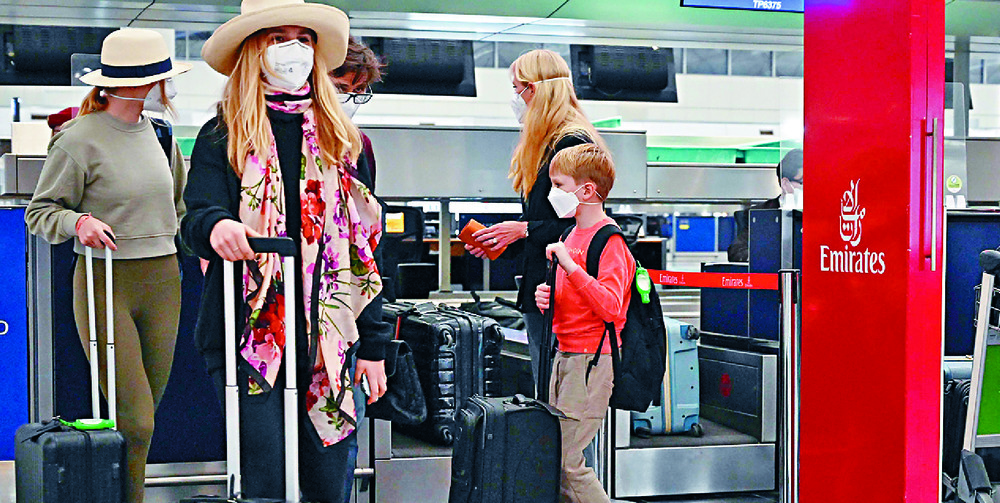
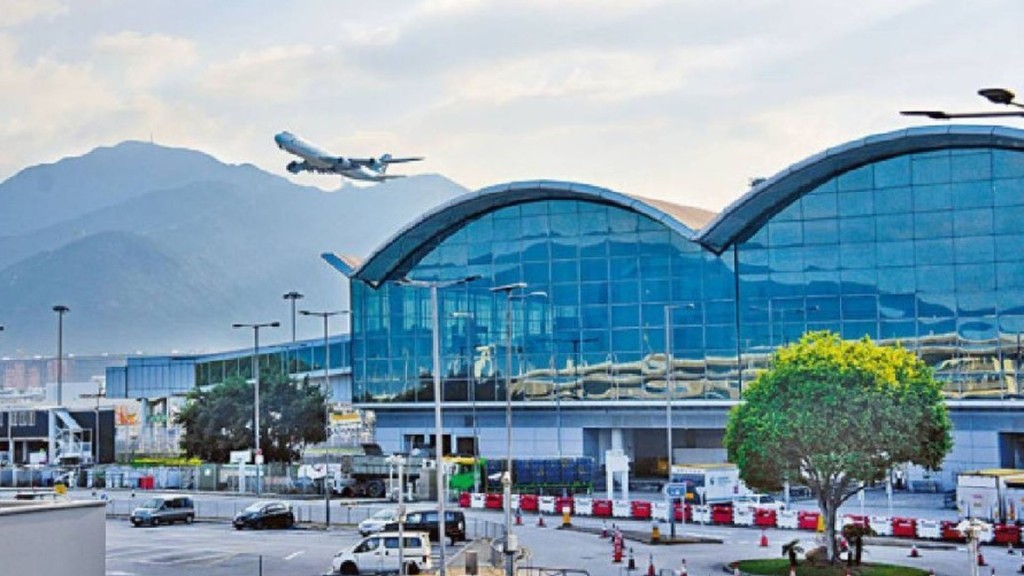
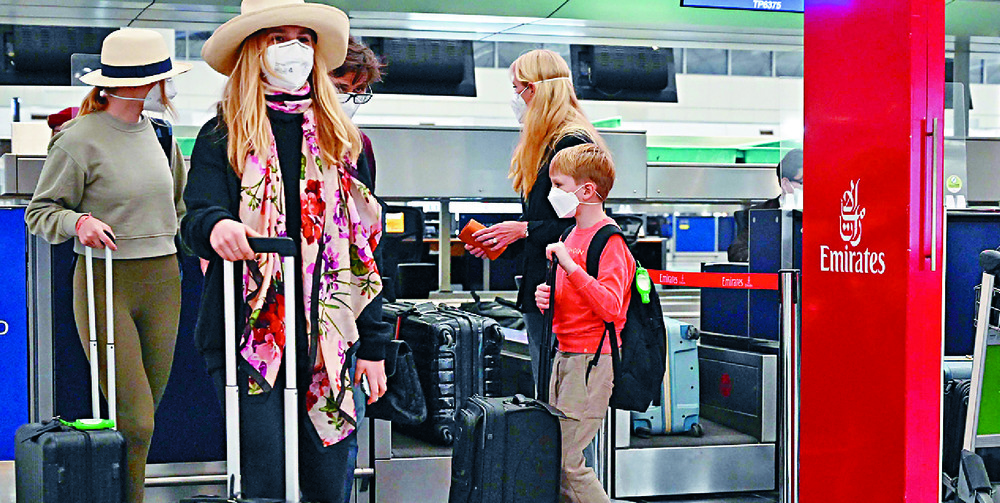
Expatriates head for a flight out of Hong Kong on Sunday as the fifth wave rages on.