
Read More
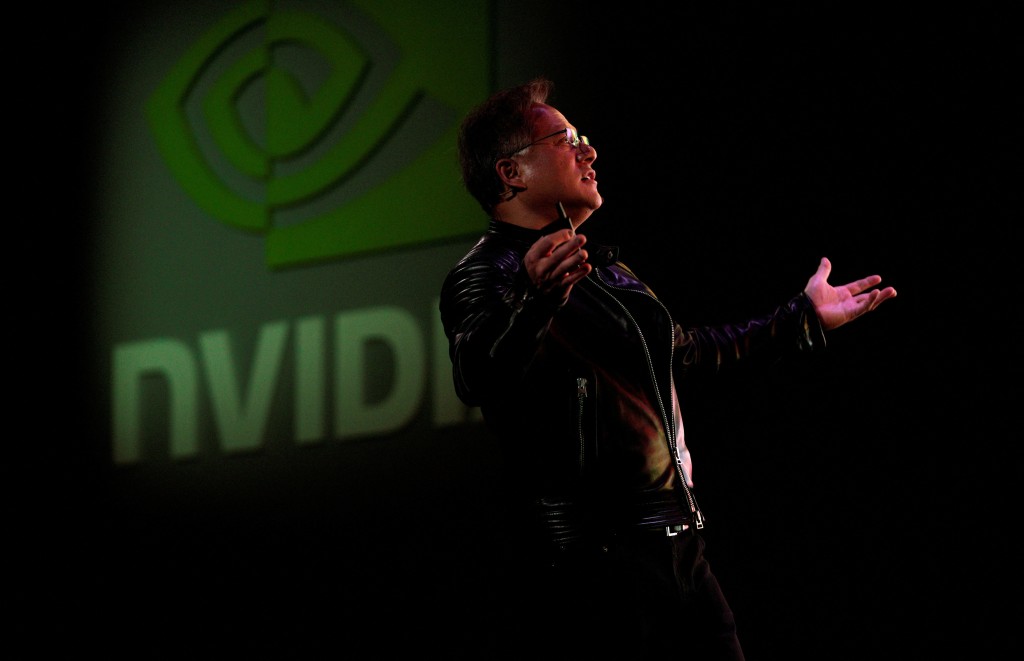
I have consistently maintained that an AI bubble undoubtedly exists. Against this backdrop, the “Jensen Huang controversy” is merely the trigger that could finally cause the AI bubble to burst.
ADVERTISEMENT
SCROLL TO CONTINUE WITH CONTENT
Of course, Huang has a substantial number of supporters. Many will therefore argue that the allegations currently facing Nvidia and its CEO amount to “political persecution”, and that this is a consequence of the Democrats’ sweeping victory in the midterm elections, which will give them full control of the US Congress on January 3 next year. Such an interpretation is understandable.
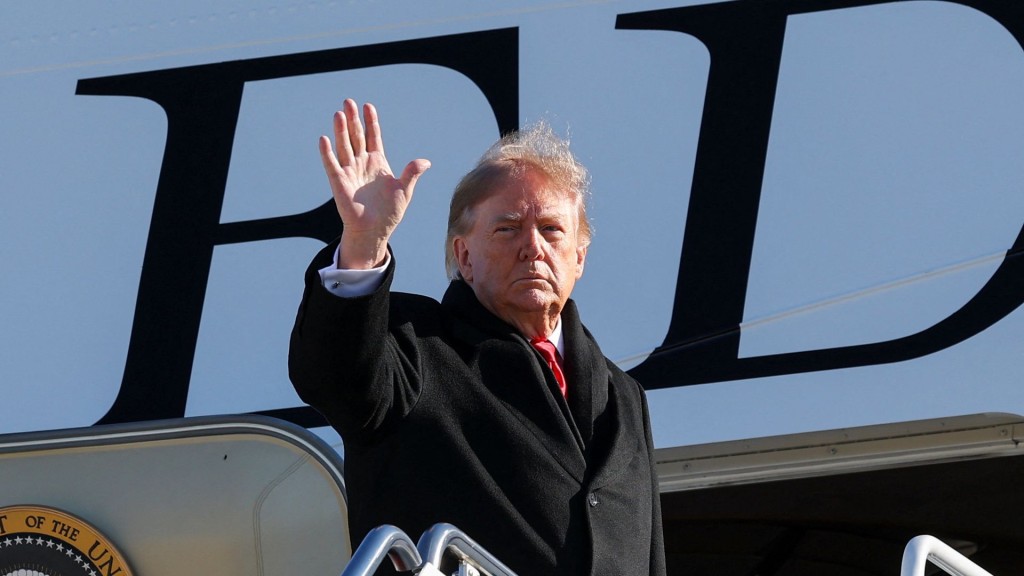
However, since Donald Trump returned to the White House for a second term, his administration has rolled out a series of AI-supportive policies, accelerating the development of the AI industry over the past two years. Nvidia and Huang have been among the biggest beneficiaries of these policies.
If people genuinely believe that the current situation amounts to “political persecution”, they should also consider another question: without the political tailwinds, could Nvidia really have risen to become the world’s most valuable company in just two years, while Huang himself climbed into the ranks of America’s ten richest individuals?
The reality is that publicly listed companies have always been exposed to political risks. The key lies in understanding and managing those risks. This is particularly important given that US-China relations have remained strained over the past several years. Indeed, Washington’s policy towards China has continued to tighten even under Democratic administrations, not just under Republican leadership.
Against this backdrop, whether Huang personally, or Nvidia as a company, wanted to see its chips exported to China, it was essential to remain mindful of potential conflicts with US government policy and the associated legal risks. This does not mean Nvidia had to adopt any particular political position. Rather, a lack of political awareness can leave a company in precisely the predicament Nvidia now finds itself in.
Therefore, investors should stop speculating about whether Huang might return as Nvidia’s CEO. The challenges facing Nvidia are far more serious than a personal scandal involving Huang’s alleged extramarital affair.
The fundamental question is whether Nvidia, during Huang’s tenure, was involved in any activities that violated US national security laws and regulations. I expect the investigation to continue into the first quarter of next year, when the Democrats take control of Congress, before a clearer picture begins to emerge.
Consequently, even if Nvidia’s share price stages a short-term recovery on the back of oversold conditions, investors should regard it as nothing more than a “dead-cat bounce”, rather than evidence that the stock has found a genuine bottom.
Andrew Wong is a veteran independent commentator