Read More








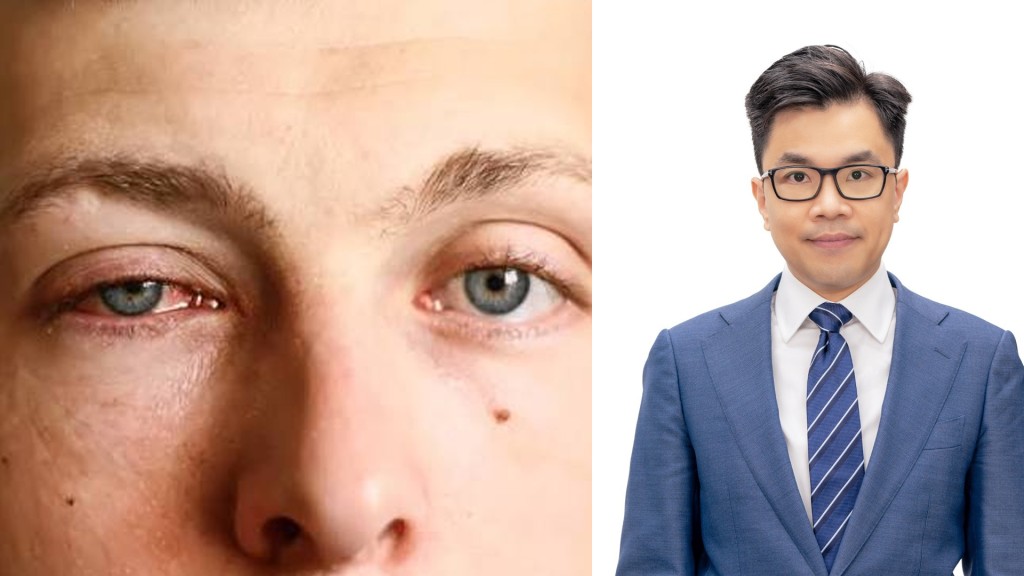







“Doctor, do I need to wear sunglasses to protect my eyes?” This is a common question I encounter in the clinic. Ultraviolet exposure can increase the risk of several eye conditions, including pterygium, commonly known as “surfer’s eye.”
Pterygium is a benign, slow-growing fibrovascular growth of the conjunctiva – the thin membrane covering the white of the eye. It usually begins on the nasal side, near the nose, and may extend onto the clear cornea, the outer layer of the eye. Its wing-like shape gives pterygium its name.
Early pterygium may cause no symptoms. When inflamed, it can cause redness, irritation and a foreign body sensation. As it grows, it may induce astigmatism – a condition caused by imperfect curvature of the cornea or lens – or cover part of the cornea or visual axis, leading to blurred vision.
The exact cause is unclear, but pterygium is associated with chronic exposure to UV light, wind and dust. Risk is higher in older people, men, and those who spend substantial time outdoors for work or sport.
Small, symptom-free pterygia usually do not require treatment. Artificial tears can relieve grittiness or irritation, while short-term steroid eye drops may be prescribed by an eye doctor if the growth becomes inflamed.
Surgery to excise the pterygium may be considered if the pterygium causes significant astigmatism, encroaches on the pupil or affects vision, repeatedly becomes inflamed, causes persistent discomfort, or grows rapidly.
Because recurrence is possible, ophthalmologists often cover the excision site with the patient’s own conjunctival tissue and may use anti-metabolite medication to reduce the chance of regrowth.
People who spend long periods outdoors should wear a wide-brimmed hat and sunglasses that provide reliable UV protection. Choose lenses labelled UV400 or 100 percent UV protection, which block UVA and UVB rays; dark lenses alone does not guarantee protection.
Although pterygium is benign, unusual growths on the eye can occasionally resemble more serious conditions, including ocular surface squamous neoplasia or other pre-cancerous conditions.
Anyone who notices a new or enlarging growth, persistent redness, discomfort, or blurred vision should seek prompt assessment by an ophthalmologist.
Dr Prudence Chow Po-chee, Specialist in Ophthalmology