
Read More
Minimally invasive techniques have revolutionized the treatment of thoracic conditions, ranging from lung cancer and pneumothorax – or collapsed lung – to thymic and mediastinal tumors. Some patients assume that minimally invasive surgery requires neither incisions nor anesthesia. However, this is a misconception.
ADVERTISEMENT
SCROLL TO CONTINUE WITH CONTENT
Any surgery, by definition, requires an incision to access, repair, or remove abnormal tissue. While both traditional open-chest operations and minimally invasive procedures demand general anesthesia, minimally invasive surgery can achieve the clinical goal through smaller incisions.
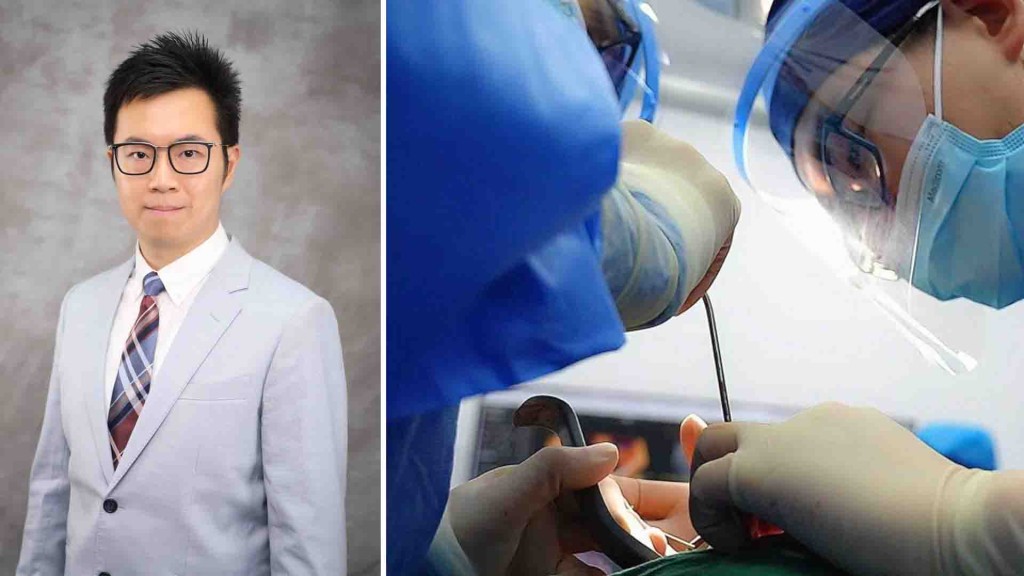
Traditional open-chest surgery often requires an incision measuring 10 to 20 centimeters, cutting through thick layers of muscle and sometimes even dividing a rib. Minimally invasive thoracic surgery typically relies on just three small incisions. In carefully selected cases, surgeons can achieve the same therapeutic outcome through two or even a single incision, an advanced technique known as uniportal surgery.
Reducing pain and tissue damage while preserving organ function is an important goal of surgical research. While a faster, less painful recovery is an advantage of minimally invasive techniques, it can never come at the expense of two non-negotiable pillars: safety and effectiveness.
Surgeons must be able to promptly manage life-threatening complications, such as major bleeding, and achieve outcomes comparable to open surgery. If either requirement cannot be met, surgeons must make additional incisions or convert to open-chest surgery.
Think of it like crafting a crystal shrimp dumpling. Ideally, you want a delicate, translucent wrapper and a flavorful filling. Yet, the quality of the filling always takes priority.
In thoracic surgery, the same principle applies: the precision and quality matter far more than the size or number of incisions.
While minimally invasive techniques have become the preferred approach for many chest conditions, traditional open surgery remains the enduring gold standard with more visibility when tackling the complex cases.
Surgeons therefore explain before surgery that conversion from minimally invasive to open surgery may be necessary. As a precaution, instruments for open surgery are always ready for immediate use if needed. Together with advance risk assessment and contingency planning, this preparation helps ensure that surgery remains safe and effective. Beyond these, explaining the possibility of conversion beforehand also helps patients set realistic expectations and avoid disappointment that could affect their emotional well-being during recovery.
Dr Yu Sze-yuen, Specialist in Cardio-thoracic Surgery