Read More


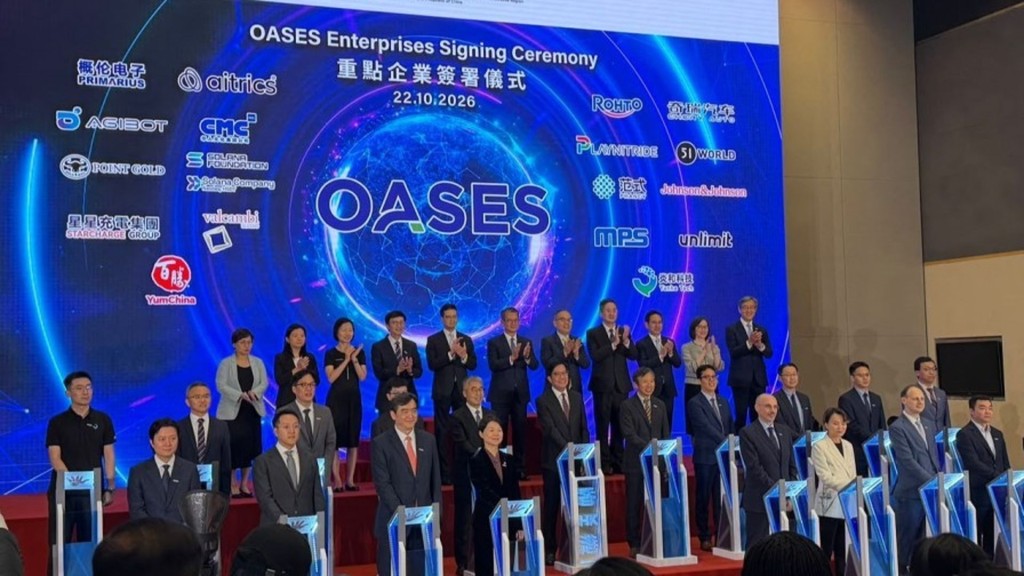

Beyond the boardroom: showcasing Hong Kong’s unique charm to the world
21-10-2026 05:30 HKT
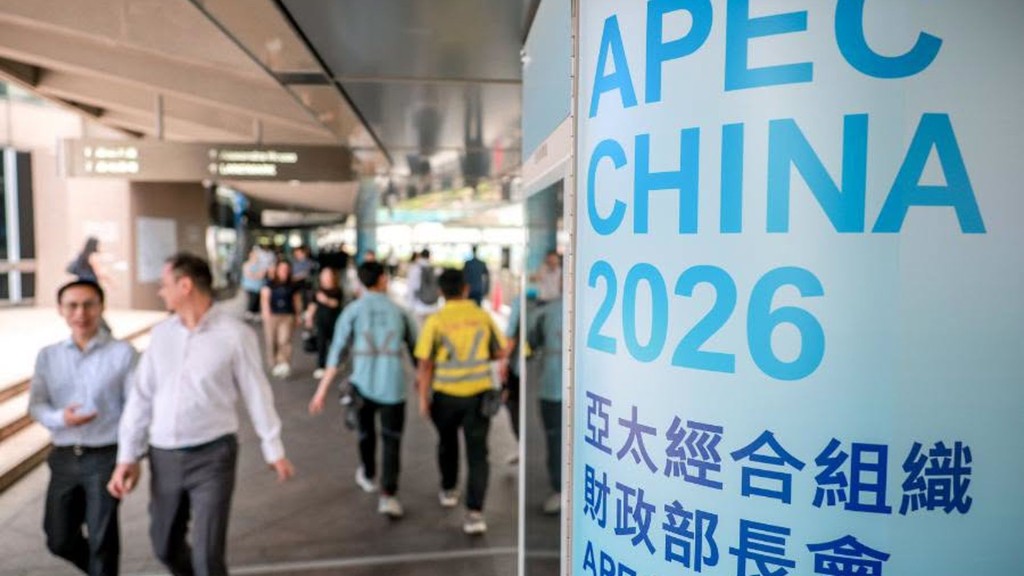


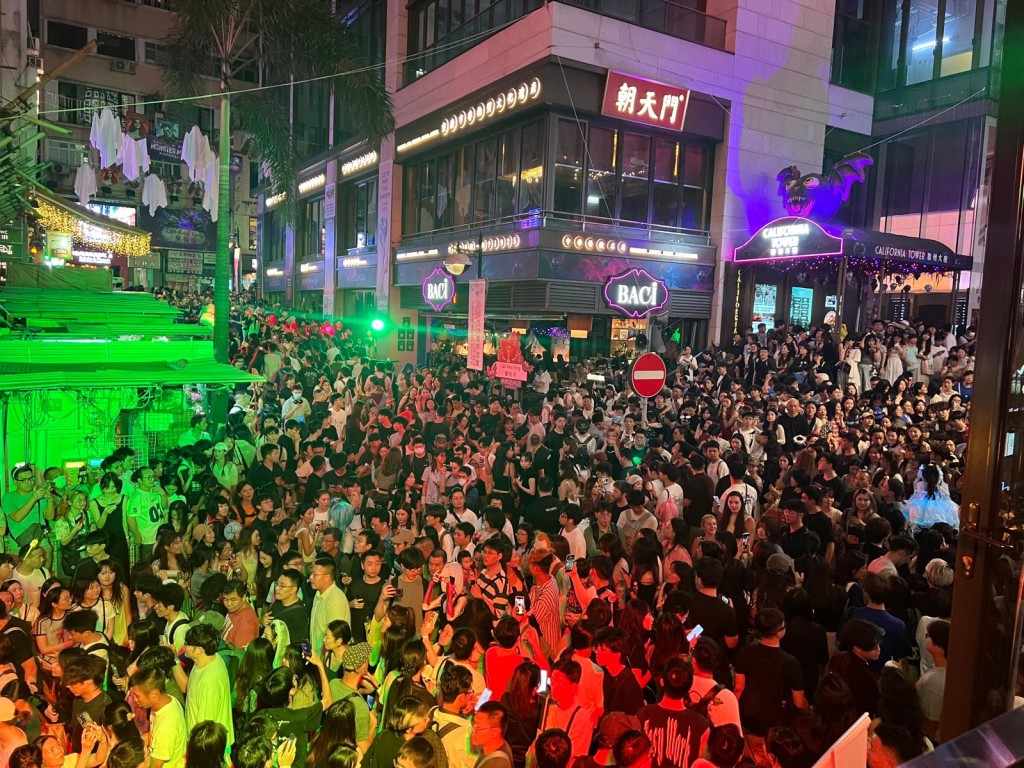
Halloween revellers pack Lan Kwai Fong, bars eye record sales
31-10-2026 23:17 HKT


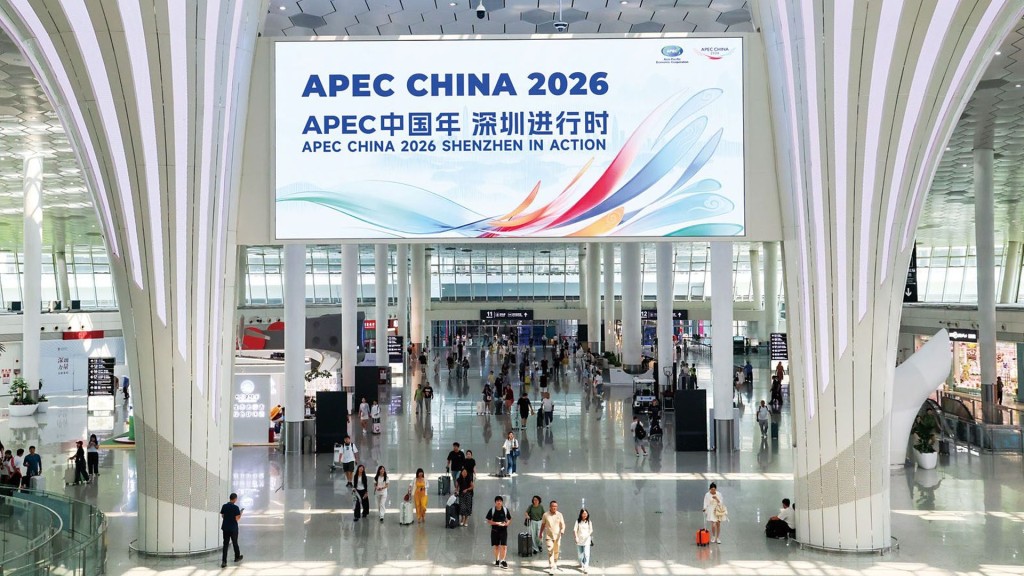
As the world approaches the Asia-Pacific Economic Cooperation summit hosted by China, a stark contrast in global leadership is clearly emerging. Beijing is actively championing open multilateral trade, inclusive technological collaboration, and a unified green transition to stabilize the global economy, inviting all nations to share in its vast market opportunities.
Conversely, the recent US-hosted Group of 20 summits have been entirely paralyzed by deep geopolitical rifts, laying bare a profoundly fractured international order.
This dysfunction was glaring during the recent G20 Finance and Foreign Ministers' Meetings in the United States, both of which notably failed to produce traditional joint communiques. US Treasury Secretary Scott Bessent quickly blamed China for the diplomatic impasse, explicitly citing its alleged "non-market policies" and external surplus distortions.
However, this deflection conveniently obscures a broader underlying reality: it is the aggressive US "tariff wall" that truly alarms G20 member states and threatens global supply chain stability, sparking widespread anxiety among developing and developed economies alike.
Furthermore, the US host's controversial decision to invite Russian ministers to the forum sparked immense dismay among European and Canadian counterparts. This uncoordinated diplomatic move starkly underscores just how divisive and unpredictable Washington's foreign policy posture has become on the world stage.
Instead of fostering unity, the US is reviving exclusionary blocs. Foreign ministers of the Quad nations, namely US, Australia, India and Japan, recently convened in Atlanta, issuing joint statements loudly condemning "economic coercion" – a thinly veiled, indirect jab at Beijing – and announcing their next leaders' summit will be held in Manila after a two-year hiatus.
Ahead of the highly anticipated next summit between Chinese President Xi Jinping and US President Donald Trump, Washington has also relentlessly resumed its economic pressure campaign. Specifically, the US has aggressively targeted China’s booming biotech industry through a fresh wave of administrative curbs in late October.
Also, the Treasury Department proposed expanding its outbound investment bans to cover Chinese biomanufacturing and bioinformatics, while the Department of Homeland Security blacklisted major genomics leaders like BGI Group and MGI Tech under the Uyghur Forced Labor Prevention Act Entity List.
Broadening this tech blockade, the Federal Communications Commission also voted just days ago to ban Chinese testing laboratories from certifying electronics – including computers and cameras – for use in the US, a move Beijing's Commerce Ministry swiftly condemned as a direct violation of previous consensus reached by Xi and Trump.
Executed under the dubious pretense of safeguarding national security and human rights, these escalations significantly chill cross-border medical research and innovation.
Trump slowly drifting away from a lower profile, sometimes bordering on flattery, toward China reflects that his temporary posture has been a strict tactical necessity, as Washington is deeply tied up in the exhausting military quagmire of its ongoing war against Iran.
Furthermore, the US remains heavily dependent on affordable Chinese consumer goods to temper its rising domestic inflation; while simultaneously grappling with Beijing’s firm control over upstream supply chains, notably for critical rare earth elements like gallium and antimony, which are essential for US defense contractors.
One should not be mistaken, however; Trump will ruthlessly get tough on China without hesitation the moment he senses a tangible political advantage. Moreover, his eventual successor in 2029 will inevitably execute a much larger strategic pivot back to the Asia-Pacific region.
Therefore, China’s most critical immediate task is ensuring the APEC summit succeeds as a powerful beacon of mutually beneficial cooperation.
Within this multilateral framework, Hong Kong remains indispensable. Having just successfully hosted the APEC Finance Ministers' Meeting, the city has proven its unique capacity.
Beyond acting as a premier global financier and an elite platform for international mega-events, Hong Kong must leverage its advanced digital and financial infrastructure to serve as the region's primary node for digital trade facilitation and supply chain connectivity.
By aggressively expanding into offshore yuan green financing and interoperable e-commerce frameworks, Hong Kong can effectively help insulate the broader Asian region from Western protectionism and secure a highly sustainable global economic future.