
Read More
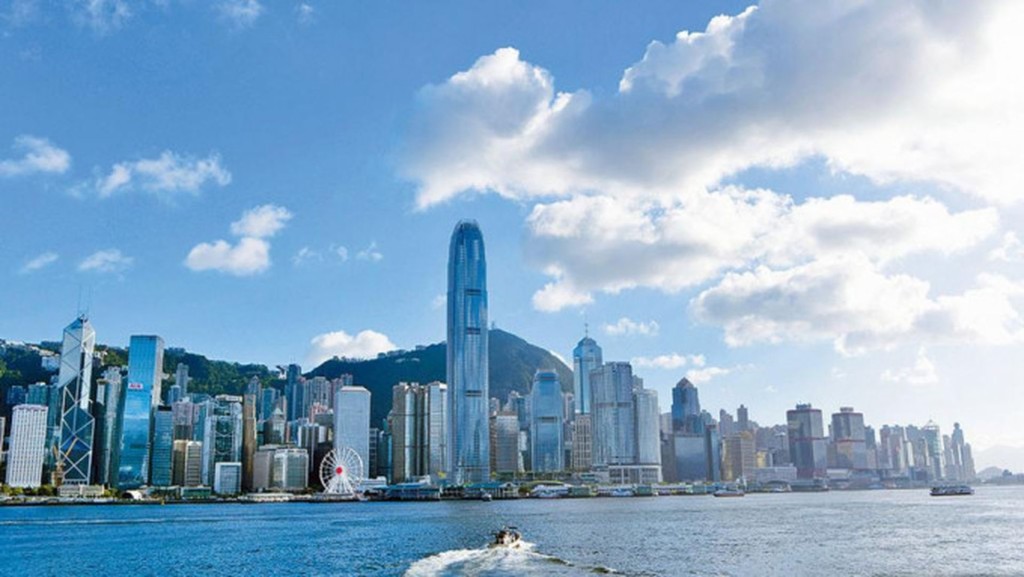
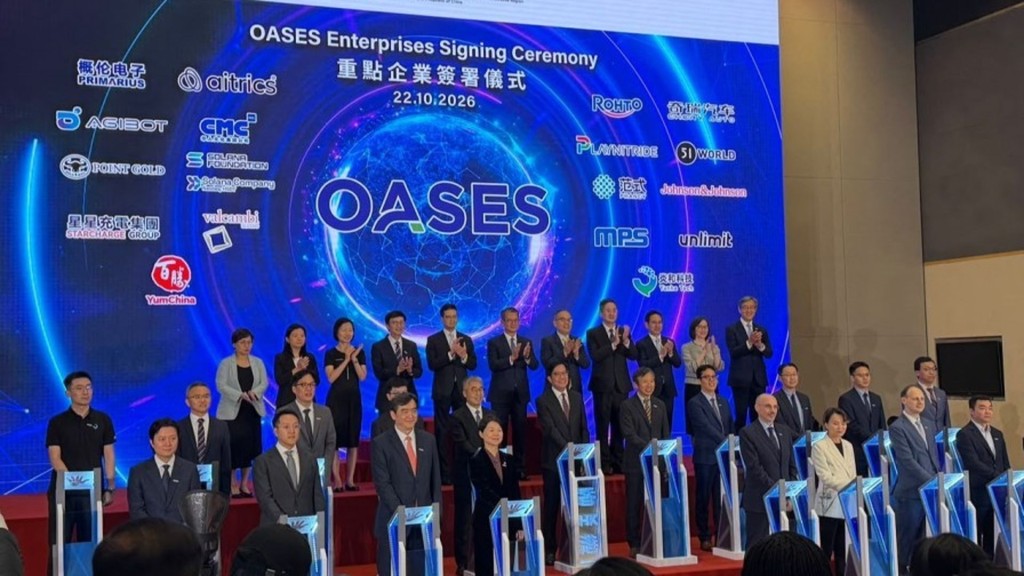
Hong Kong’s ambition to reinvent itself as a global innovation and technology hub achieved a significant milestone on October 22 with the Office for Attracting Strategic Enterprises welcoming 18 new partners. Spanning sectors like artificial intelligence, advanced manufacturing, life and health technology, fintech, and creative technology, several of these newly onboarded entities boast market valuations exceeding HK$100 billion. Crucially, the diverse origins of this cohort – with half hailing from the Chinese mainland and the rest globally – reaffirm Hong Kong’s enduring proposition as a super-connector bridging East and West.
ADVERTISEMENT
SCROLL TO CONTINUE WITH CONTENT
‘Finance+’ strategy
The immediate economic injection from this OASES initiative is undeniably robust. Together with earlier batches, the government has now successfully attracted 142 strategic enterprises, projected to inject approximately HK$84 billion in investments into the local economy. These partnerships are expected to generate 27,000 high-value jobs, injecting vital momentum into the labor market. Impressively, the initial enterprise batches have already outpaced targets, exceeding projected investments by 30 percent and job creation by 34 percent while absorbing over 2.8 million square feet of commercial and industrial space. Beyond these statistics, these companies introduce tangible solutions. For instance, new partners are deploying real-time AI risk-scoring algorithms to predict patient deterioration in intensive care units, alongside smart technologies designed to accelerate regional electric vehicle adoption.
To fully tap into this vast economic potential, the government must move beyond simply attracting capital and focus aggressively on ecosystem integration. As Hong Kong advances its inaugural Five-Year Plan, the administration must thoroughly execute its “Finance+” strategy. This means effectively utilizing the city’s deep, internationally regulated capital markets to provide these strategic enterprises with accessible financing avenues, ensuring they can seamlessly commercialize and scale their operations. Innovation cannot exist in a vacuum; it requires a fluid, interconnected pipeline organically linking upstream research, diverse talent pools, and downstream industrial applications.
Cross-boundary synergy
The Northern Metropolis development will be the critical spatial and institutional engine for realizing this ambition. The government’s ongoing initiative to construct three university towns within this mega-development is a crucial step forward. By physically co-locating academic research with robust industrial development and talent cultivation, Hong Kong can drastically accelerate the journey from laboratory discoveries to highly profitable, market-ready solutions.
Maximizing the full potential of these 142 strategic enterprises demands deeper cross-boundary synergy within the Greater Bay Area. The Hetao Shenzhen-Hong Kong Science and Technology Innovation Co-operation Zone must be actively leveraged to facilitate the frictionless cross-boundary flow of personnel, capital, biological samples, and essential research data. For the burgeoning biomedicine sector, this seamless integration is an absolute prerequisite for growth. Enhancing collaboration on clinical trials and expedited drug approvals between mainland and Hong Kong authorities will firmly establish the city as a premier regional research and development base.
Ultimately, the OASES signing ceremony is a commendable achievement, proving that high-quality global enterprises still view Hong Kong as a highly attractive springboard. By deepening financial integration and optimizing the Northern Metropolis framework, the city can ensure these strategic seeds grow into a resilient, world-class innovation ecosystem that significantly boosts long-term global competitiveness.