
Read More
A wave of widespread social unrest continues to challenge Europe, most visibly in France, where recent student protests have rapidly grown into a nationwide expression of general dissatisfaction. These demonstrations are actively fueled by deep anxieties over high living and fuel costs, a rapidly widening wealth divide, and harsh austerity measures implemented to curb mounting sovereign debt – triggering widespread strikes and paralyzing civil unrest. This profound societal instability serves as a stark, real-time warning.
ADVERTISEMENT
SCROLL TO CONTINUE WITH CONTENT
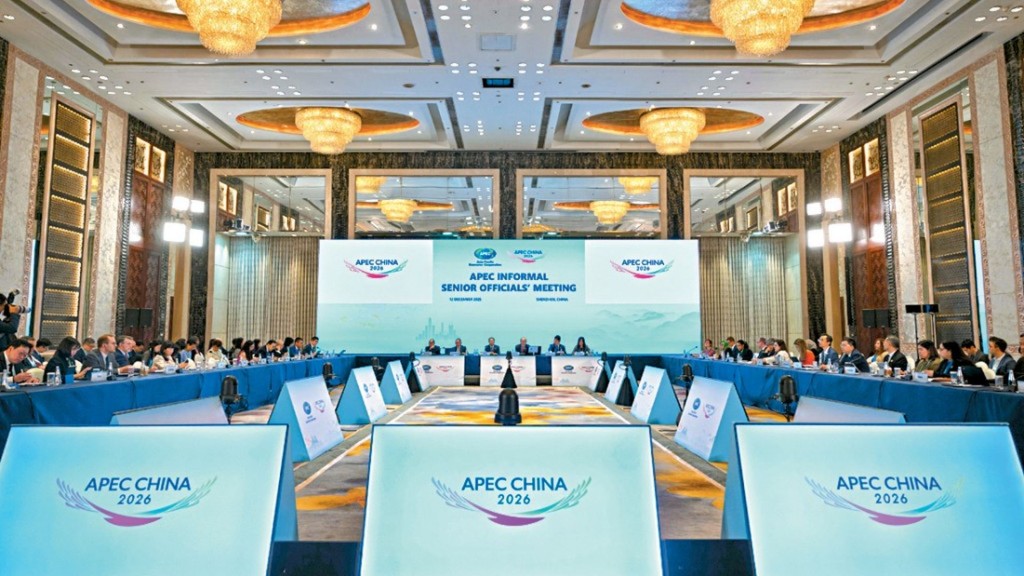
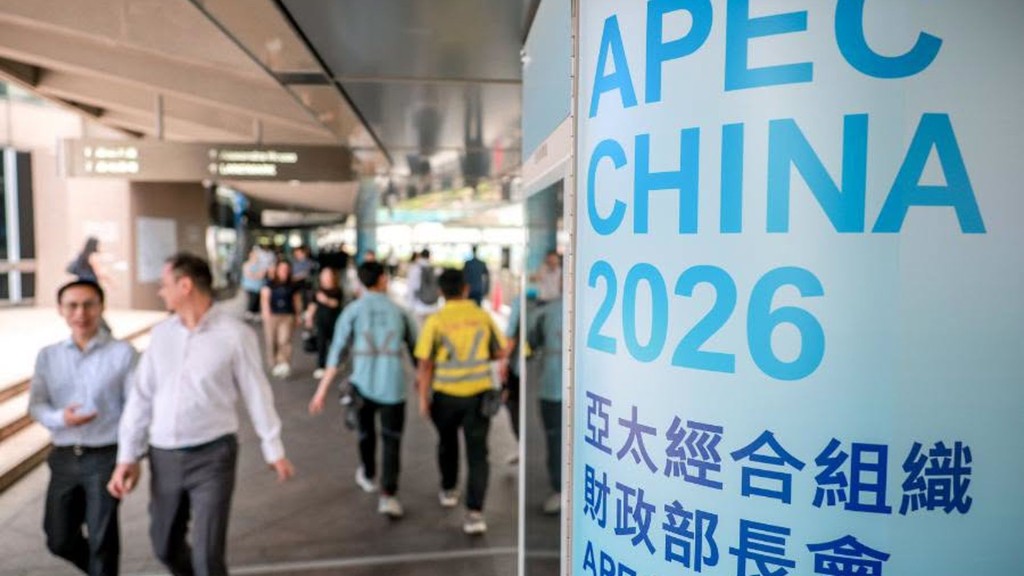
As Hong Kong prepares to host the vital Asia-Pacific Economic Cooperation Finance Ministers’ Meeting today, regional policymakers can urgently leverage this multilateral platform to avoid Europe’s fate.
The root causes of Europe’s unrest lie in a toxic combination of weak economic growth, structural energy cost burdens, and a welfare system fundamentally breaking under its own weight. Driven by massive public spending commitments, severe fiscal mismanagement has left European governments with drastically inadequate resources for forward-looking investments. Crucially, this creates severe intergenerational inequity. To fund unsustainable, aging pension systems, European states are disproportionately sacrificing their youth with heavy tax burdens and precarious employment to subsidize older demographics, a dynamic severely escalating political polarization.
APEC’s structural advantages
In stark contrast, APEC economies benefit from deeply integrated supply chains, a robust technological manufacturing base, and a historically pragmatic approach to public finance.
To prevent paralyzing instability from infecting the Asia-Pacific, the upcoming APEC summit should firmly defend these traditional strengths. Member economies need to be vigilant against the consumption-heavy welfare models currently fracturing Europe.
Instead, public capital should remain rigorously channeled into productive economic capacity rather than permanently expanding entitlements. By utilizing the Financial Ministers’ Meeting in Hong Kong to coordinate robust macro-financial frameworks and hold the line on growth-oriented fiscal discipline, APEC can insulate its economies from Western systemic debt crises.
Furthermore, APEC leaders must proactively build a structural moat against imported inflation and external volatility. As the escalating Iran conflict has triggered devastating energy shocks worldwide, the region is starkly reminded of its vulnerability.
To avoid Europe’s rapid deindustrialization, the Asia-Pacific must urgently accelerate energy integration. By tapping into the massive green transformation made available by China’s rapidly growing new energy industries alongside advanced nuclear baseloads, the region can aggressively decouple from volatile energy crises impacted by rising geopolitical turbulence.
Concurrently, regional leaders must proactively harness technology-driven productivity. With demographic headwinds looming, sustaining economic expansion requires leveraging artificial intelligence to revitalize industrial output. Realizing this dual green and digital transition requires a significantly better financing architecture, which Hong Kong’s internationally regulated capital markets are perfectly positioned to provide.
Offering economic hope
Ultimately, macroeconomic coordination and technological innovation must serve a higher societal objective: safeguarding people’s daily livelihoods from economic shocks. The APEC Finance Ministers’ Meeting must prioritize inclusive policies that protect existing employment while generating new, high-value career opportunities.
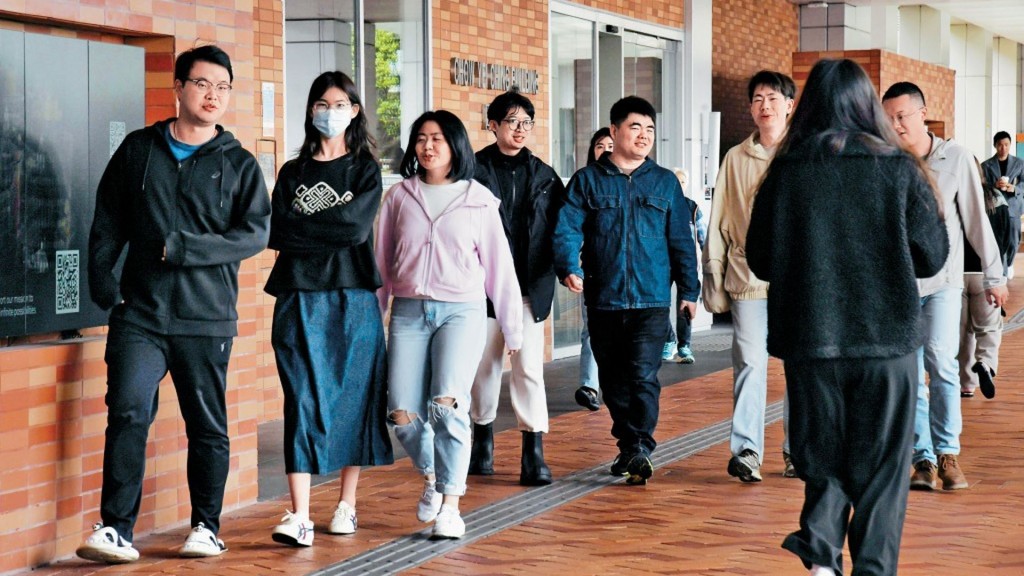
By fostering robust cross-border exchanges among young finance professionals and directing targeted capital toward future-oriented green and digital industries, policymakers can offer genuine economic hope to the younger generation. Building an inclusive, tech-driven regional economy is an absolute social necessity to maintain civic harmony, bridge the structural wealth divide, and secure long-term stability across the Asia-Pacific.