
Read More
Rather than competing with regional airports, Hong Kong should deepen GBA collaboration to keep talent, goods and capital flowing – and its international city status thriving.
ADVERTISEMENT
SCROLL TO CONTINUE WITH CONTENT
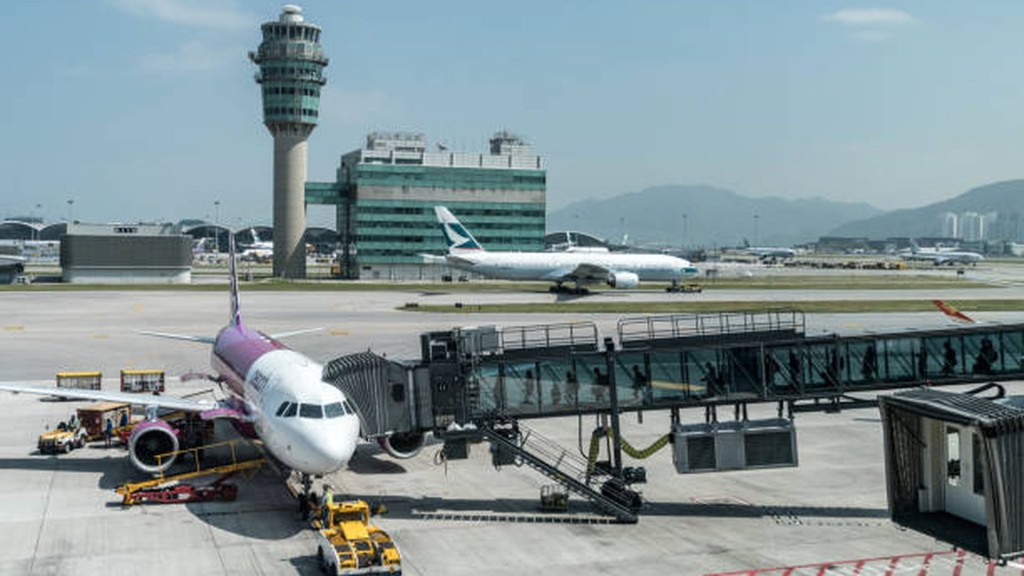
Hong Kong International Airport has now been the world’s busiest cargo airport for 15 consecutive years – a remarkable achievement. Yet passenger volume has recovered to less than 90 percent of prepandemic levels, a reminder that the city’s aviation hub status cannot be taken for granted.
The government’s aviation expansion strategy, outlined by Secretary for Transport and Logistics Mable Chan in the Legislative Council, rightly stresses strategic value over mere volume. With 87 bilateral air services agreements signed and 95 new routes opened under the Airport Authority’s network expansion scheme, as well as 14 airlines adding 80 weekly cargo flights in just half a year, Hong Kong is actively reconnecting with the world – from Brazil and Peru to Kazakhstan, from Central Asia to the Middle East and Africa.
Qatar Airways’ decision to relocate its regional headquarters to Hong Kong is a powerful vote of confidence.
Connectivity is the lifeblood of an international city
Aviation links are not merely about tourists and business travelers; they are the arteries through which talent, wealth, and goods flow. The impressive September trade figures – exports up 64.9 percent year on year, imports up 57.8 percent, driven by artificial intelligence-related electronics – demonstrate how deeply Hong Kong’s prosperity depends on its ability to move goods swiftly across five continents.
The Dongguan air cargo center, which handled over 57 billion yuan (HK$68 billion) in goods and saw volumes surge 84 percent in 2025, shows the power of multimodal connectivity with the Greater Bay Area.
Collaboration, not competition, is the way forward
Hong Kong should resist the temptation to compete head-on with regional airports. Instead, it should position itself as the GBA’s international gateway – the natural hub for high-value cargo and long-haul passenger traffic – while neighboring airports handle complementary roles.
The fresh-produce express corridor linking western Guangdong to Hong Kong, and the ambition to make it two-way, illustrates how GBA integration creates win-win outcomes.
By strengthening links to the five continents while deepening GBA collaboration, Hong Kong can keep talent, capital, and goods flowing, while continuing to serve as the international city that China, and the world, needs.