
Read More
A systemic crisis of youth disenfranchisement is erupting across the globe, manifesting in widespread social unrest, economic stagnation, and profound despair. A generation is being squeezed by an expanding intergenerational wealth divide, severe degree inflation, and the rapid deployment of artificial intelligence that systematically eliminates vital entry-level jobs.
ADVERTISEMENT
SCROLL TO CONTINUE WITH CONTENT
By eroding traditional stepping stones, this rapid economic restructuring leaves university graduates with devalued degrees, struggling to secure meaningful employment. Coupled with exorbitant living costs and prohibitive housing prices, these structural economic barriers disproportionately penalize the younger demographic.
This profound intergenerational inequality is no longer just an economic grievance; it is actively undermining social cohesion and directly threatening political stability across both Western democracies and Asian economies.
Europe’s ‘silver democracies’
In Europe, the political prioritization of older voting blocs – often termed a “silver democracy” – has severely skewed public expenditure. Heavy government spending on aging pension systems has resulted in chronically inadequate resources for public education and youth empowerment. In France, the alarming participation of underage youths in recent nationwide riots reflects a deep-seated, explosive discontent with a system that has fundamentally failed to provide equitable opportunities.
Furthermore, prohibitive housing costs have become a direct catalyst for explosive unrest.
In Spain, deep frustration over rent hikes boiled over into massive nationwide protests, creating intense political pressure. This fierce housing movement rapidly spread to Portugal, where desperate youths facing severe shortages established sprawling tent cities in central squares across Lisbon and Porto, frequently clashing with police over exorbitant rents that shut them out of financial independence.
In Asia, the pressures manifest differently but are equally volatile. India’s recent “cockroach” protests perfectly encapsulate this boiling frustration.
Sparked after a judge callously likened unemployed youth to cockroaches, the movement highlighted a massive crisis of jobless growth where hyper-competitive education produces millions of workers for a stagnant labor market. Meanwhile, in Japan, young people face immense psychological pressure, grappling with stagnant wages, precarious employment, and a rigid corporate culture that heavily favors senior workers over new entrants.
The Chinese and Hong Kong realities
This phenomenon extends into China, where the September youth jobless rate remained elevated at a highly concerning 18 percent, according to data from the National Bureau of Statistics.
Disillusioned youths have increasingly embraced the tang ping, or lying flat, movement – a silent boycott of the relentless, unrewarding economic grind.
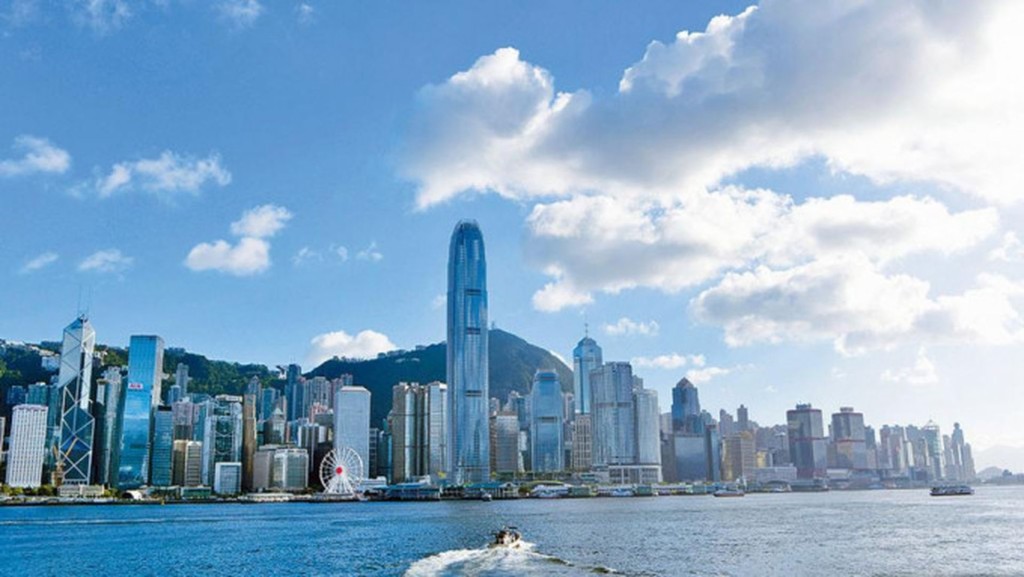
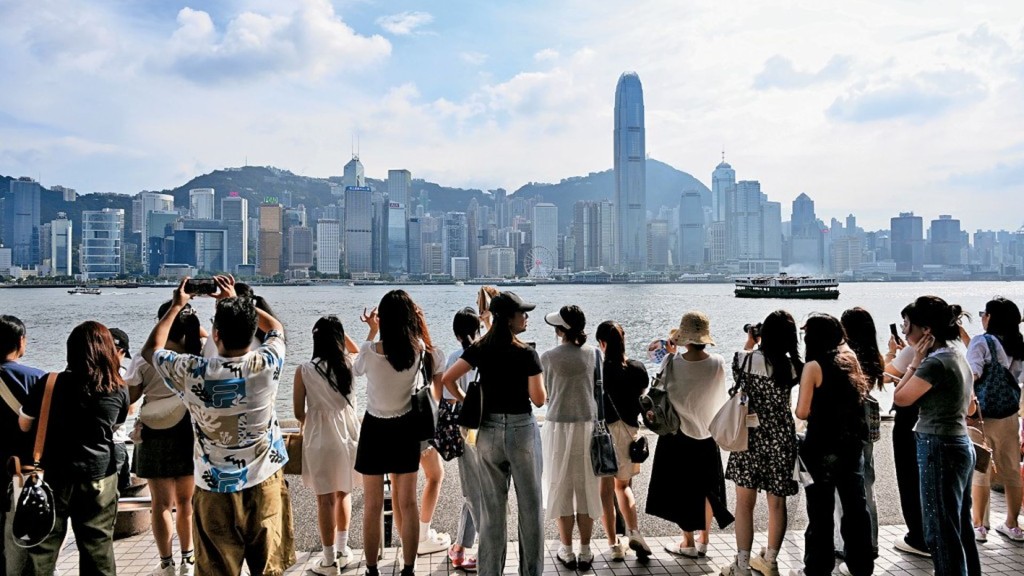
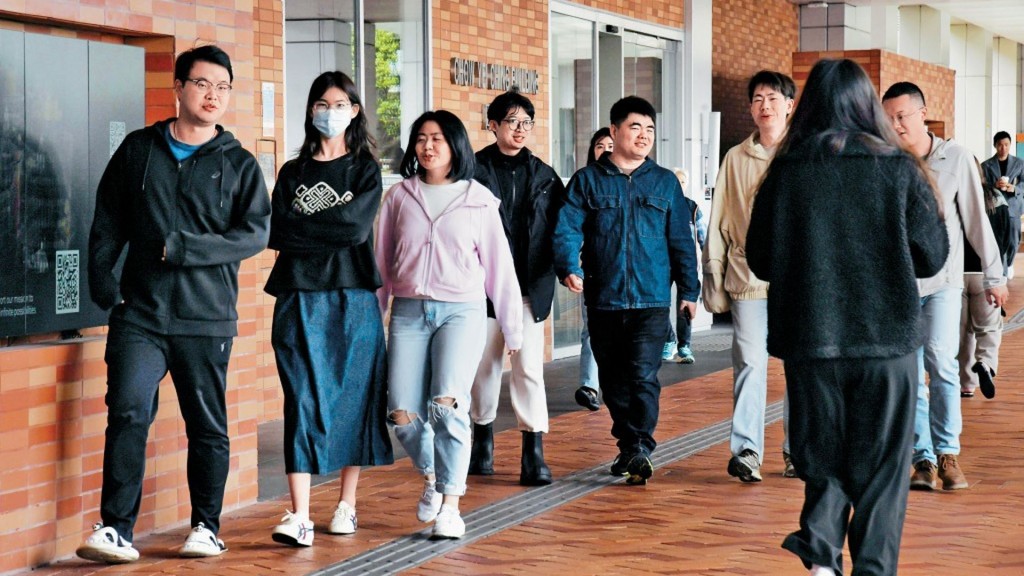
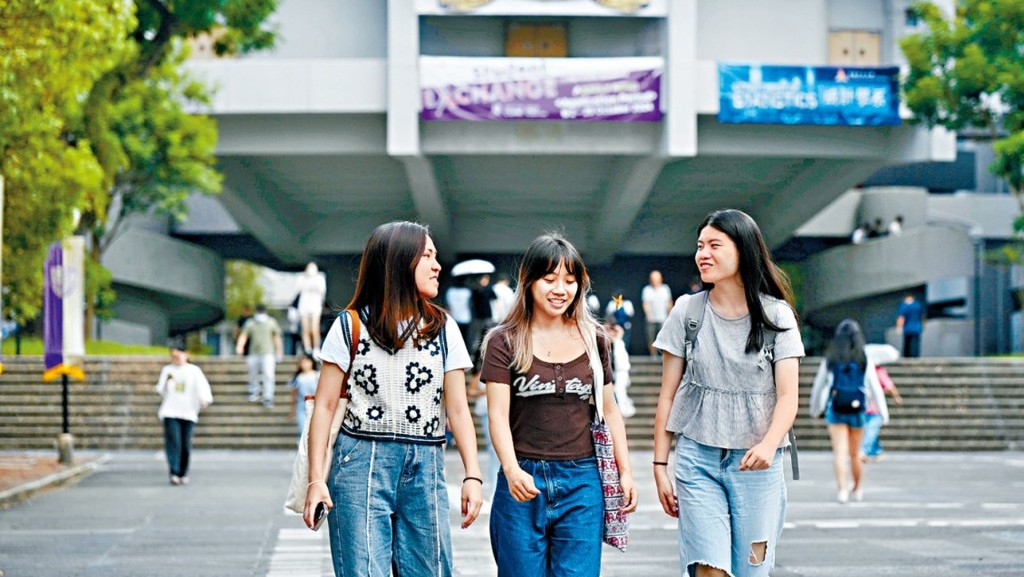
Hong Kong faces its own acute version of this crisis. The city’s youth unemployment rate remains significantly higher than the overall average, with the situation compounded by a deeply alarming rise in youth suicides.
These underlying socioeconomic frustrations – driven by Hong Kong having the world’s most unaffordable housing market, according to the annual Demographia International Housing Affordability Survey – echo the systemic disenfranchisement that previously fueled the massive youth-led social unrest in 2019.
The systemic marginalization of the younger generation is a dangerous ticking time bomb. Governments can no longer afford to disproportionately cater to older demographics at the expense of the future workforce.
Urgent, structural reforms are required to recalibrate housing markets, rethink education, and create sustainable economic pathways in the age of AI. Strategically balancing resource allocation between generations is absolutely critical.
Addressing this intergenerational inequality must be handled cautiously and urgently to restore civic harmony, ensuring that the youth are treated as a society’s primary asset rather than its forgotten underclass.