The commencement of the Belt and Road Green Innovation Conference and the 21st Eco Expo Asia this week marks a watershed moment in Hong Kong’s sustainable development trajectory. By concurrently hosting these premier environmental forums, the city is aggressively consolidating its strategic position as the primary nexus for green technology and sustainable finance in the Asia-Pacific region. This powerful synergy between high-level policy dialogue and a bustling international trade floor perfectly illustrates how Hong Kong is translating global climate mandates into tangible economic opportunities.
Elevating Global South collaboration
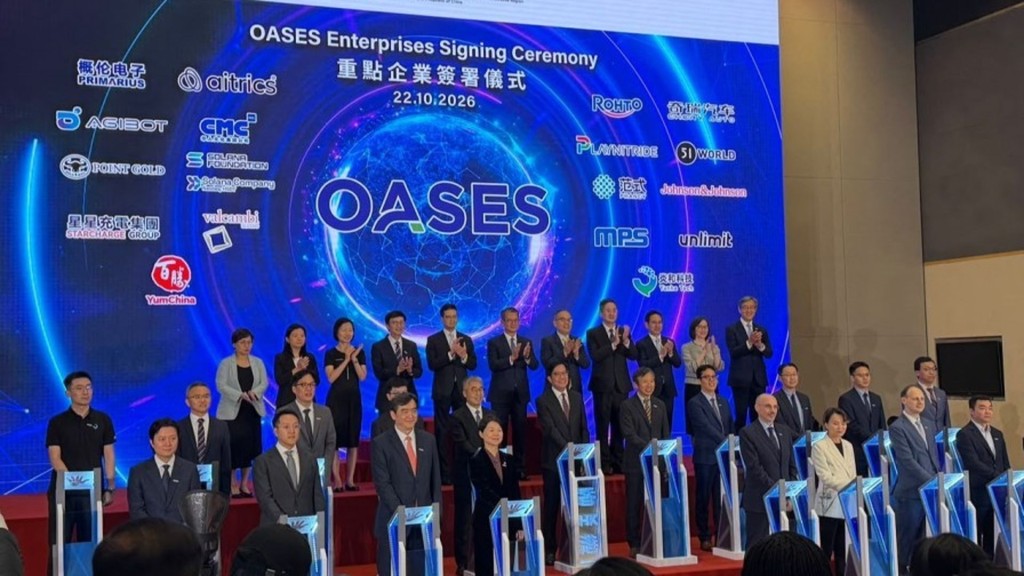
A highly significant milestone this year is the relocation of the Belt and Road Green Innovation Conference to Hong Kong, marking the very first time the prestigious event is held outside the Chinese mainland. Co-hosted by the national Ministry of Ecology and Environment alongside local authorities, the conference directly addresses the urgent need for equitable climate action. Themed “Partnering with the Global South on Green Transition, Advancing Sustainable Development Worldwide,” this high-level forum structurally elevates Hong Kong’s geopolitical utility. By actively leveraging its deep, internationally regulated capital markets, the city serves as the vital financial bridge connecting mainland China’s immense green manufacturing capacity with the pressing infrastructure and technological needs of developing nations across the Global South. This positions Hong Kong as the indispensable financing architect for the Green Silk Road.
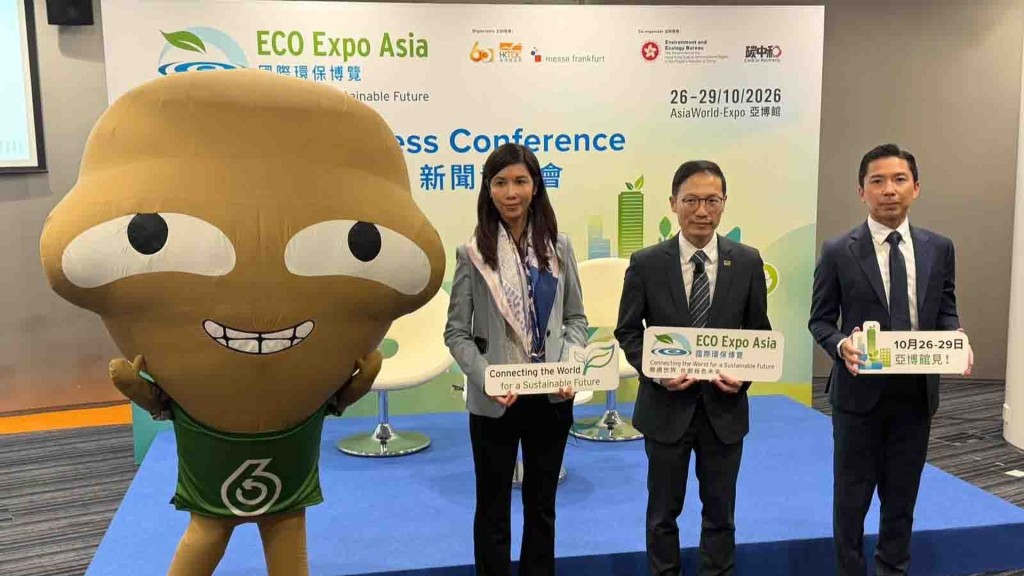
While the conference sets the macroeconomic agenda, the adjacent Eco Expo Asia at AsiaWorld-Expo translates these broad policies into immediate commercial realities. Operating under the theme “Connecting the World for a Sustainable Future,” the expo explicitly demonstrates that decarbonization is no longer merely a policy aspiration, but an uncompromising market rule governing international trade. The economic footprint of the exhibition is expanding rapidly; last year’s edition successfully attracted approximately 340 exhibitors from 13 countries and regions, alongside over 11,000 global buyers seeking viable eco-solutions.
Crucially, the 2026 expo features the inaugural, dedicated Asean Pavilion, welcoming first-time participating delegations from rapidly growing economies including Indonesia, Laos, the Philippines, Thailand, and Vietnam. This strategic regional expansion proves that Southeast Asia increasingly views Hong Kong as the premier marketplace to source critical environmental technologies, ranging from sustainable aviation fuels derived from waste materials to advanced modular hydropower systems.
A blueprint for regional sustainability
Ultimately, the concurrent hosting of these twin events perfectly encapsulates and accelerates Hong Kong’s overarching green strategy. To remain competitive in the 21st-century global economy, the city cannot simply be a passive adopter of domestic sustainability standards; it must actively export green capital and climate solutions. By seamlessly combining top-tier diplomatic dialogues with a dynamic commercial showcase, the government is successfully constructing a comprehensive ecosystem where green finance organically meets technological innovation.
This dual-track approach ensures that Hong Kong remains far more than just a traditional economic gateway.
As global regulatory frameworks systematically tighten and the institutional demand for ESG-compliant investments surges, establishing the city as the undisputed regional hub for green technology exchange will secure high-value employment, attract specialized global talent, and build a highly resilient economic foundation.
By firmly leading the Belt and Road’s sustainable transformation, Hong Kong is definitively securing its long-term prosperity in a decarbonized world.