
Read More
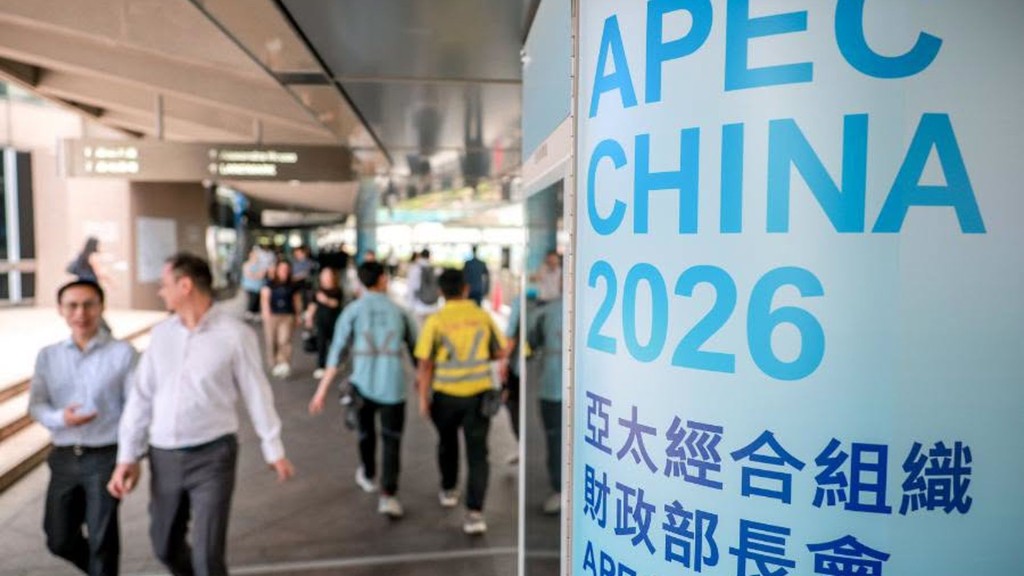
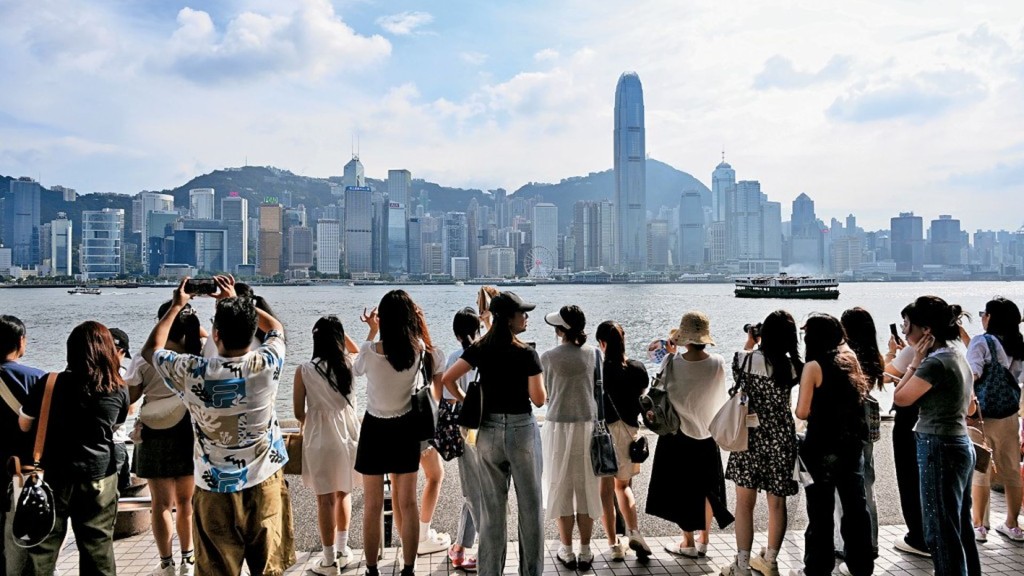
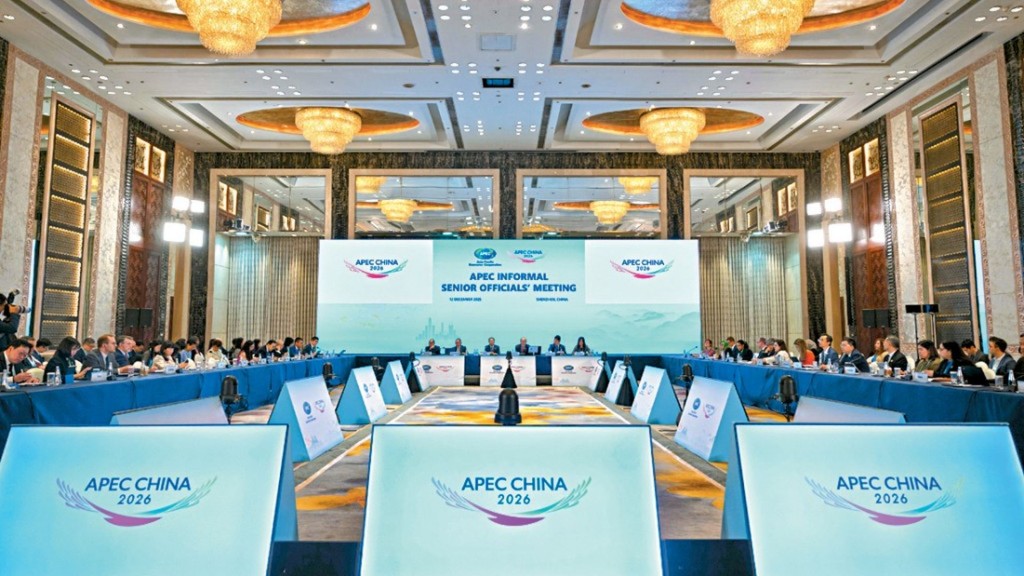
As Hong Kong hosts the Asia-Pacific Economic Cooperation Finance Ministers’ Meeting, a two-day milestone which concludes today, global policymakers are deeply engaged in critical macroeconomic dialogues. However, the true strategic value of this high-level gathering extends far beyond the formal confines of the conference hall. The meticulously curated side programs, designed to guide visiting delegates through various iconic local landmarks, offer an invaluable diplomatic opportunity. By allowing international leaders to experience the city firsthand, Hong Kong can authentically showcase its unique charm – a mesmerizing blend of East and West, tradition and modernity, and an unparalleled synergy between urban dynamism and natural tranquility.
ADVERTISEMENT
SCROLL TO CONTINUE WITH CONTENT
Fusion of urban life and nature
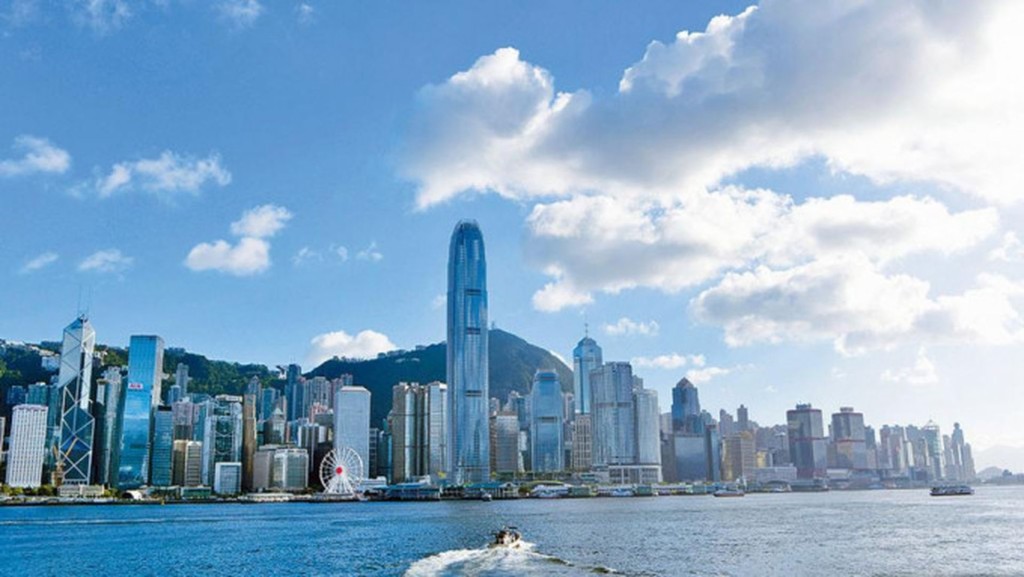
One of Hong Kong’s most defining, yet globally underappreciated characteristics is its striking geographical duality. While international investors instantly recognize the iconic, neon-lit skyline of Victoria Harbour, few realize that approximately 40 percent of the territory’s total land area is carefully preserved as country parks and nature reserves, spanning over 250 outlying islands and a Unesco Global Geopark. Delegates visiting elevated landmarks such as Victoria Peak or traversing the southern coastlines witness a city where pristine mountain landscapes, hiking trails, and world-class financial districts exist just minutes apart. This immediate proximity between high-density urban efficiency and lush ecological escapes provides a quality of life highly coveted by global talent. It perfectly illustrates how a hyper-modern metropolis can sustainably maintain its vibrant natural environment.
Culturally, Hong Kong remains the undisputed crossroads of Chinese heritage and Western cosmopolitanism. The side programs offer delegates a vivid journey through time and contrasting cultural paradigms. A visit to the sprawling West Kowloon Cultural District – one of the largest and most ambitious arts projects globally – perfectly encapsulates this synthesis. Here, the M+ museum of contemporary visual culture stands proudly alongside the Hong Kong Palace Museum, which houses priceless national treasures. Moving through the bustling city streets, delegates can walk from the extensively revitalized colonial architecture of Tai Kwun in Central to the historic, incense-filled Man Mo Temple. This seamlessly transitions visitors from Western architectural heritage to deeply rooted Chinese traditions, proving that cultural diversity is the fundamental bedrock of this inclusive society.
Premier ecosystem for business
Ultimately, these experiential tours serve a profound macroeconomic purpose: demonstrating exactly why Hong Kong remains a premier destination for multinational corporations and expatriates. The city’s vibrant urban lifestyle is inextricably linked to its formidable business infrastructure. Beyond the sensory delights of over 70 Michelin-starred restaurants, world-class international schools, a thriving expat community, and the dynamic nightlife of SoHo, delegates can directly experience a society underpinned by unwavering institutional reliability. Hong Kong’s transparent common law system, frictionless capital flow, bilingual professional environment, and simple tax regime continue to attract more than 9,000 mainland and overseas companies.
For visiting ministers and delegates, seeing is believing. Experiencing the city’s exceptional public safety, robust operational efficiency, and diverse demographic makeup effectively dismantles any negative geopolitical narratives. By showcasing a society that impeccably blends rigorous professional ambition with a high-quality multicultural lifestyle, Hong Kong proves it is far more than just an economic gateway. It remains an irreplaceable global hub – truly Asia’s World City – where business, culture, and nature thrive in perfect harmony.