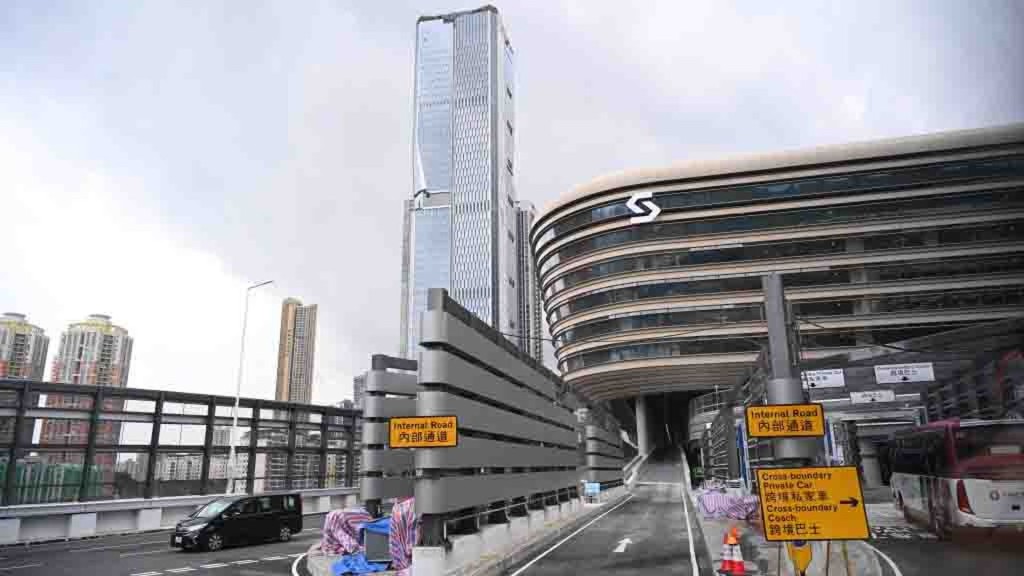
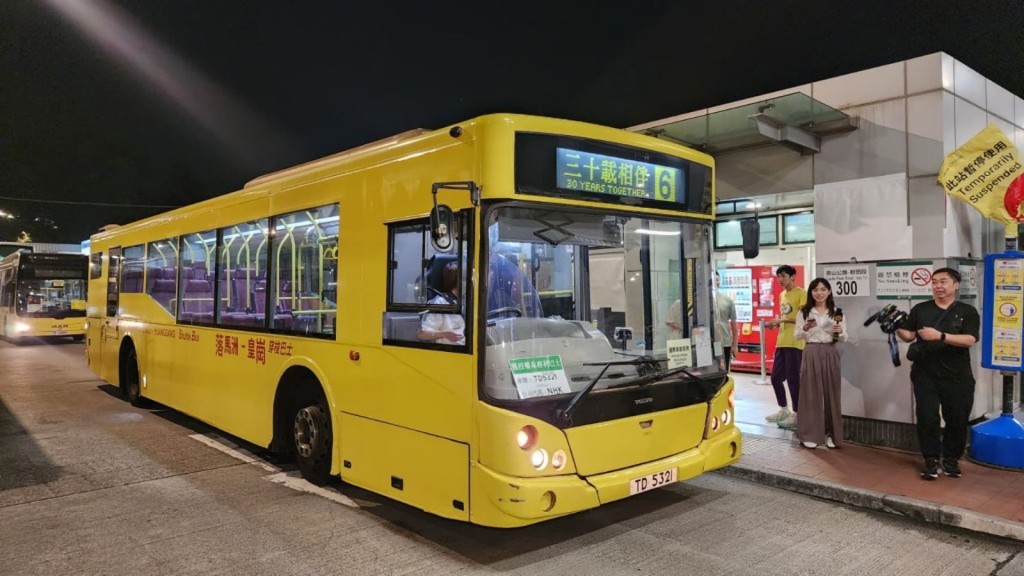
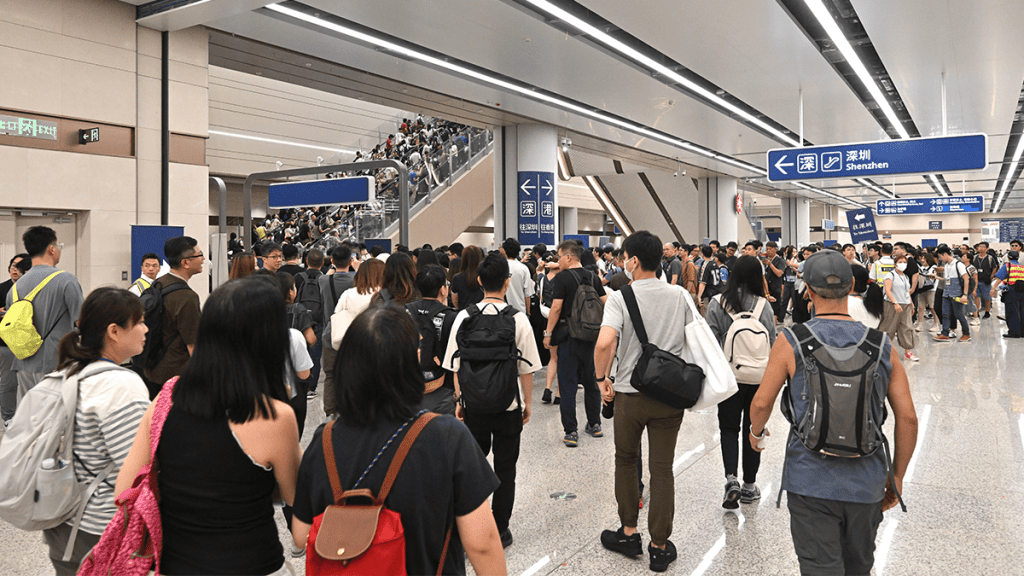
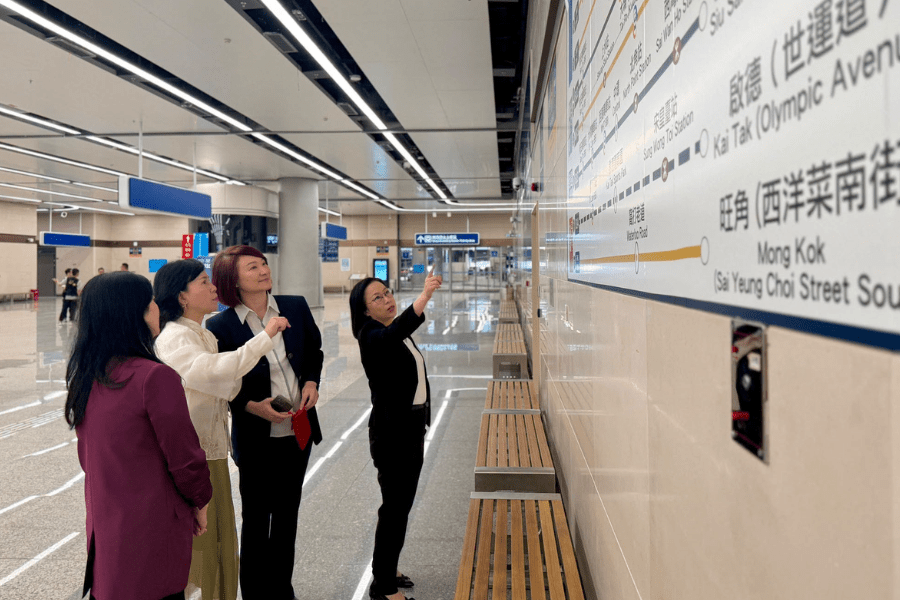
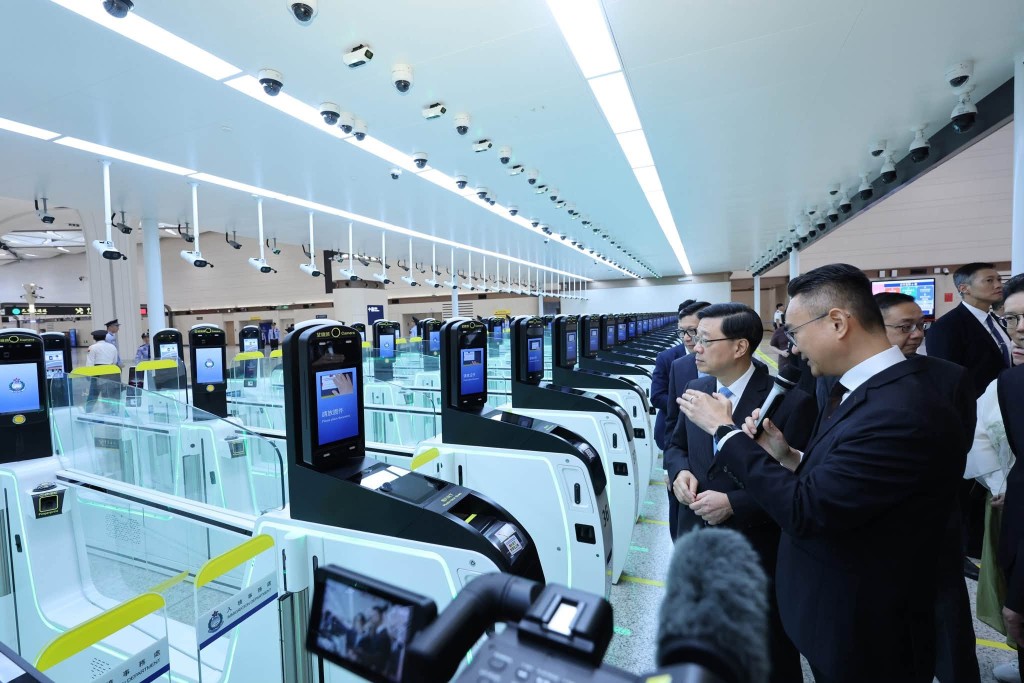
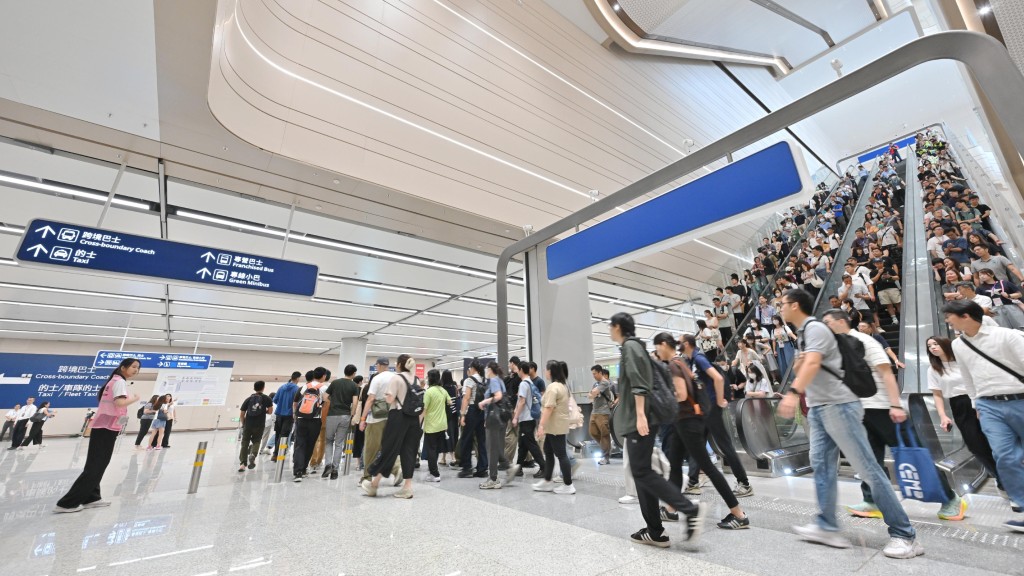
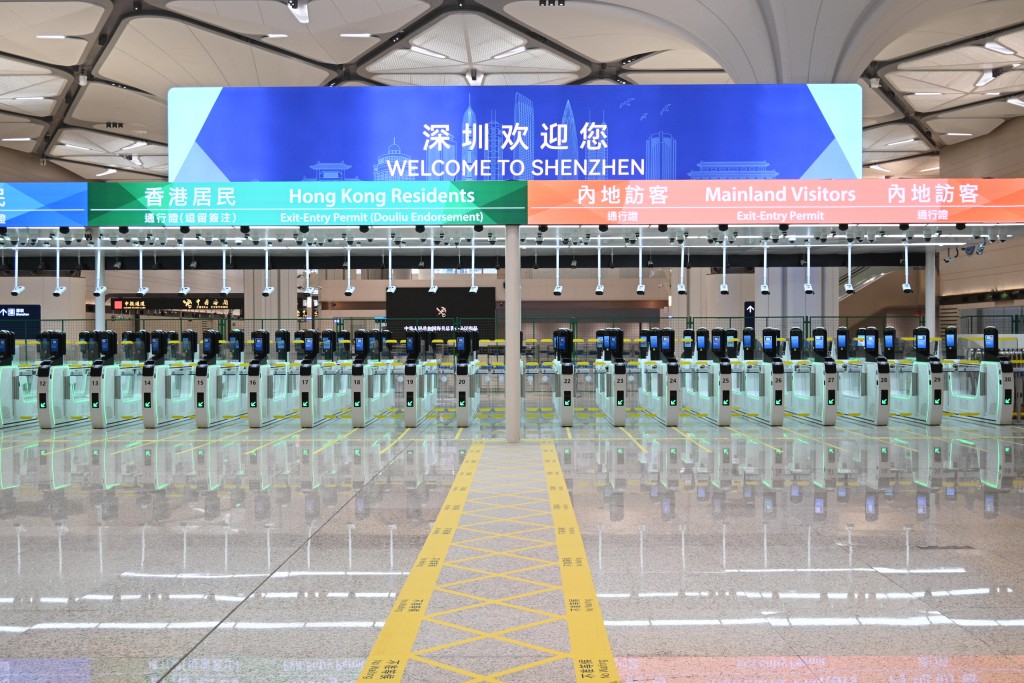
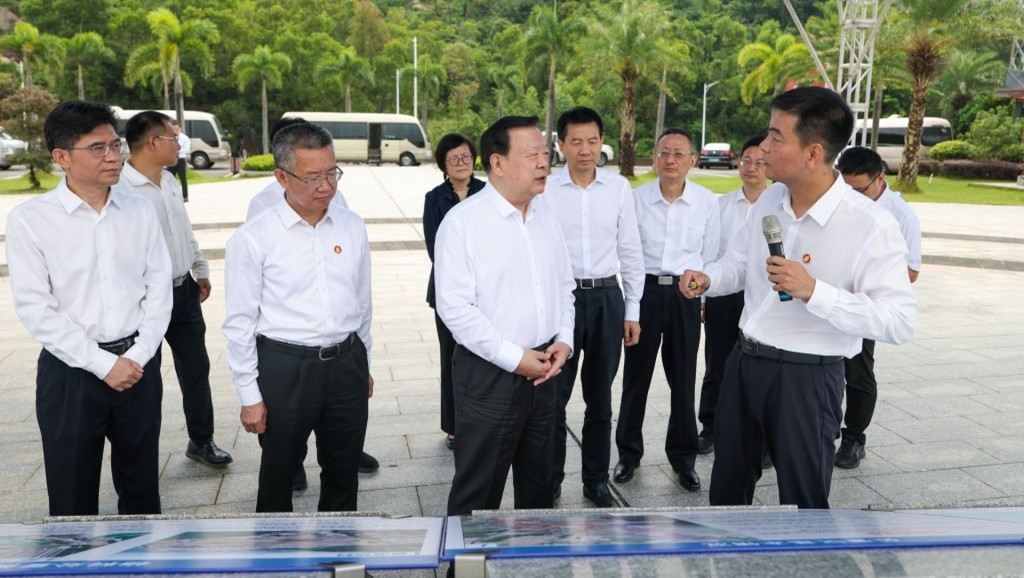
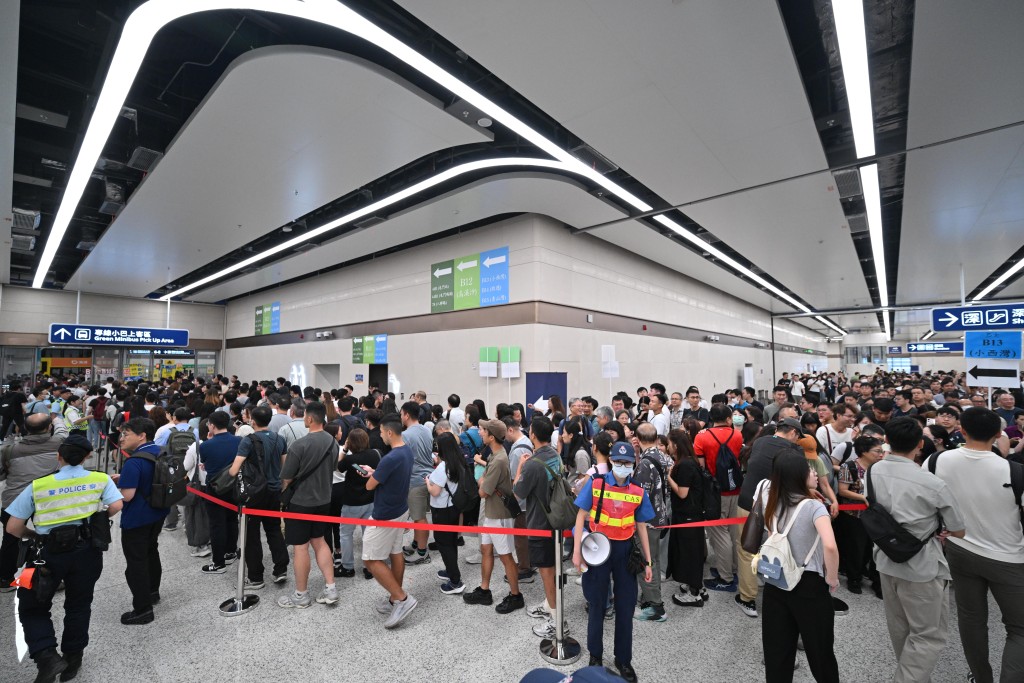
The opening of the reconstructed Huanggang Port on October 12 marks a transformative milestone in the infrastructural and economic integration of the Greater Bay Area.
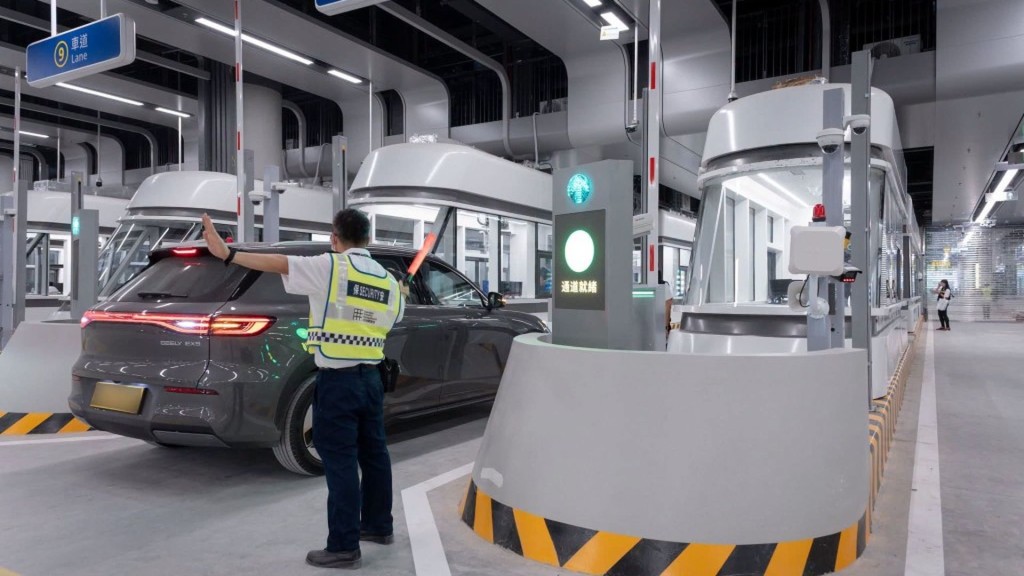
Originally established in the late 1980s, the upgraded facility now spans about 400,000 square metres and can handle up to 300,000 passengers and roughly 30,000 vehicles daily. With the "co-location" joint checkpoint arrangement and 24-hour operation, the port redefines cross-boundary connectivity.
For Hong Kong, the port is a catalyst for economic restructuring and a key anchor for the Northern Metropolis. By cutting clearance times to minutes, it removes logistical frictions that have bottlenecked cross-border synergies, particularly for the adjacent Hetao Shenzhen-Hong Kong Science and Technology Innovation Co-operation Zone. The seamless flow of researchers, data and venture capital is vital for Hong Kong's pivot to the Fourth Industrial Revolution, fusing the city's intellectual property protections and capital markets with Shenzhen's advanced manufacturing.
Globally, the project broadcasts deep structural connectivity amid geopolitical fragmentation. It serves as a conduit for international talent and capital seeking access to the GBA's 86-million-strong market. The co-location arrangement demonstrates institutional innovation under "one country, two systems," harmonising complex procedures into a single streamlined space and creating a predictable environment for foreign investors.
By engineering a frictionless nexus between a premier international financial centre and the world's most dynamic technological supply chain, the new Huanggang Port secures Hong Kong's long-term competitiveness and anchors the GBA as an engine of the 21st-century global economy.