Read More



Morning Recap - September 10, 2026
3 hours ago






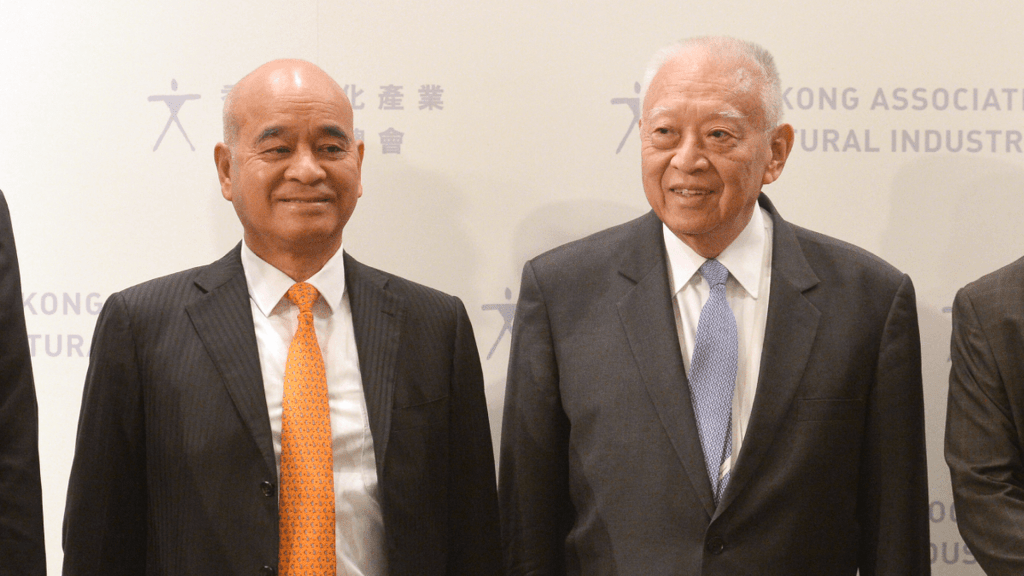
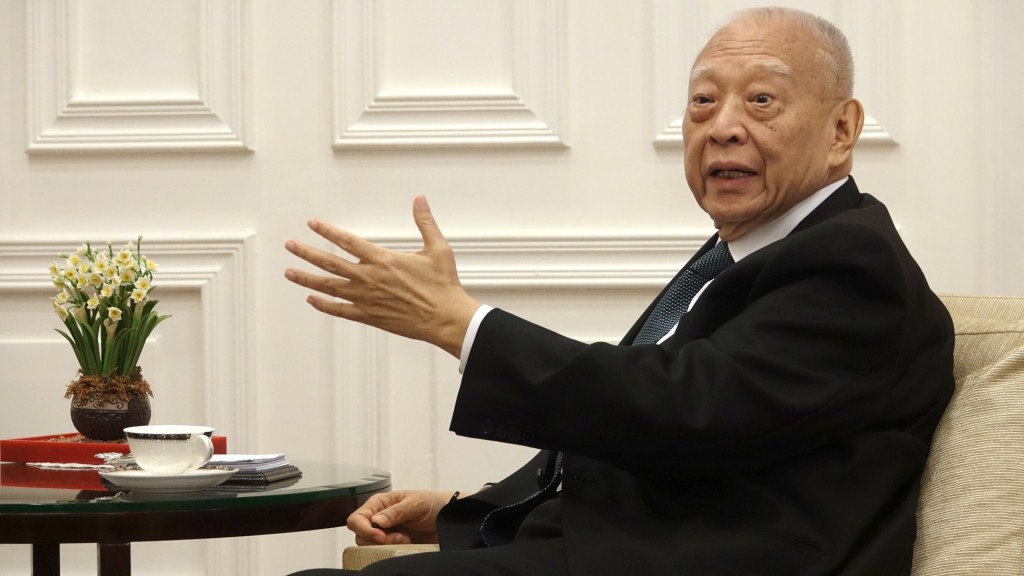
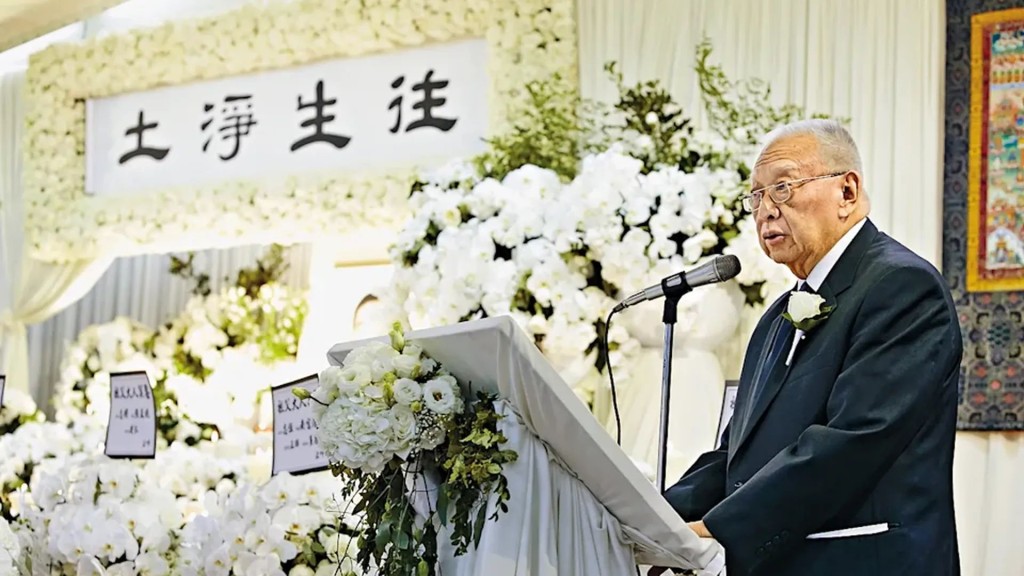
Tung Chee-hwa's funeral: Will HK see a third state funeral?
09-09-2026 05:37 HKT
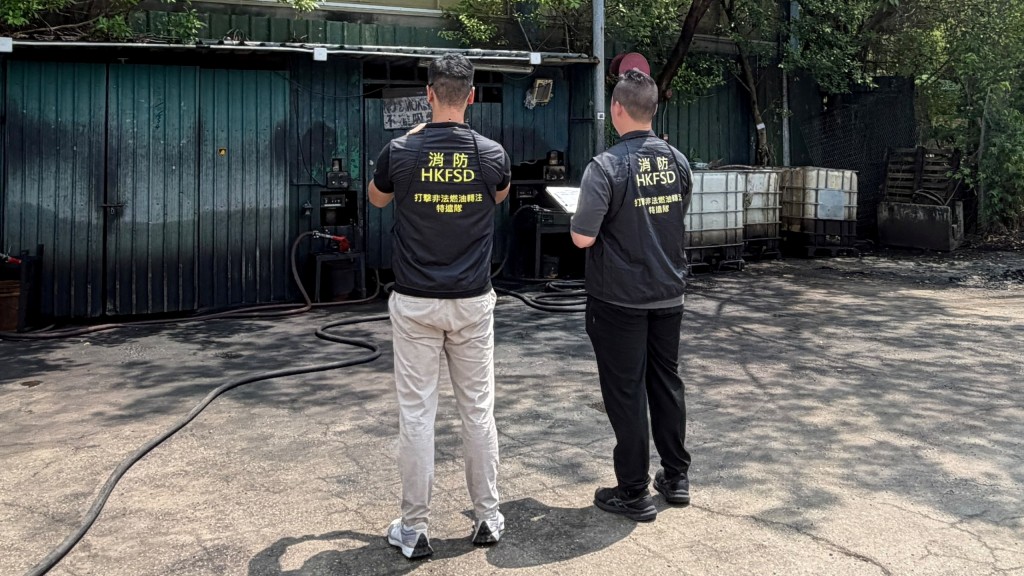
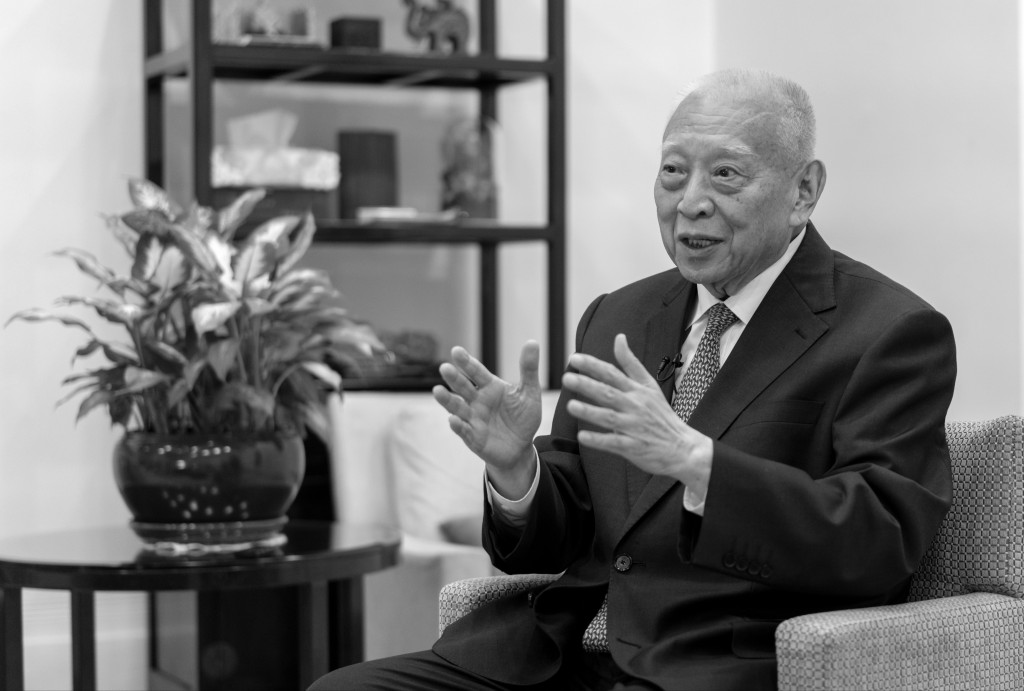
Hong Kong’s first chief executive Tung Chee-hwa dies at 89
09-09-2026 00:48 HKT


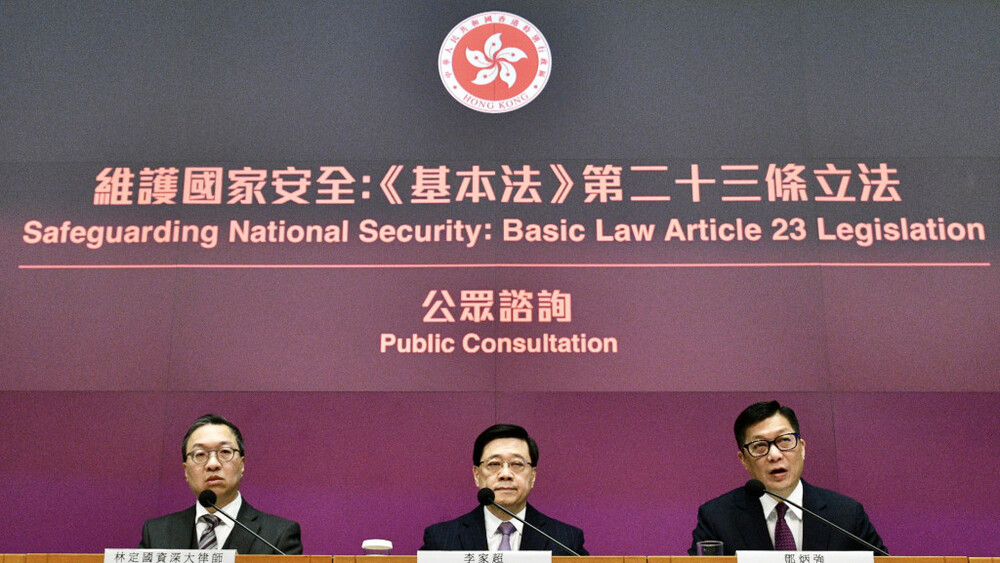
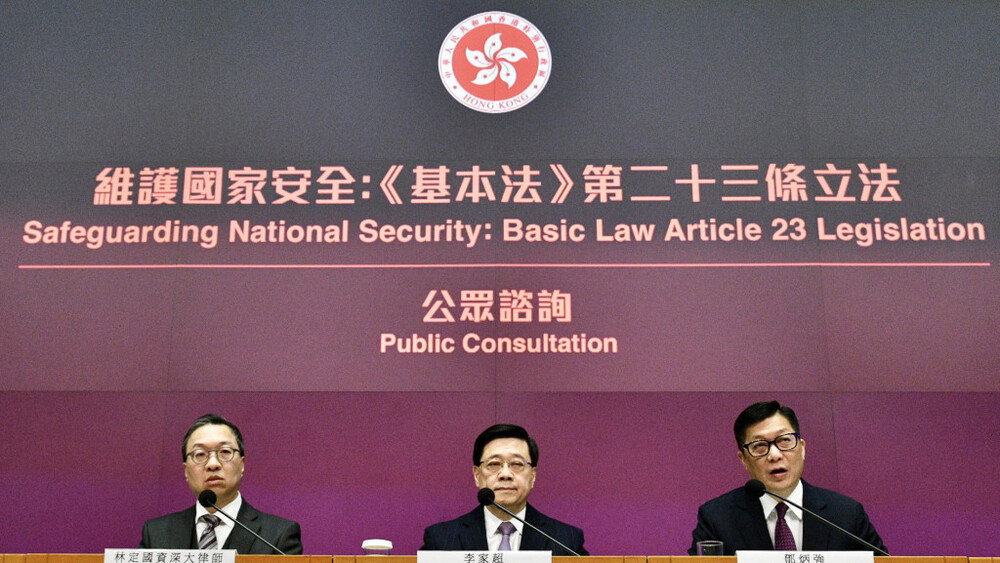
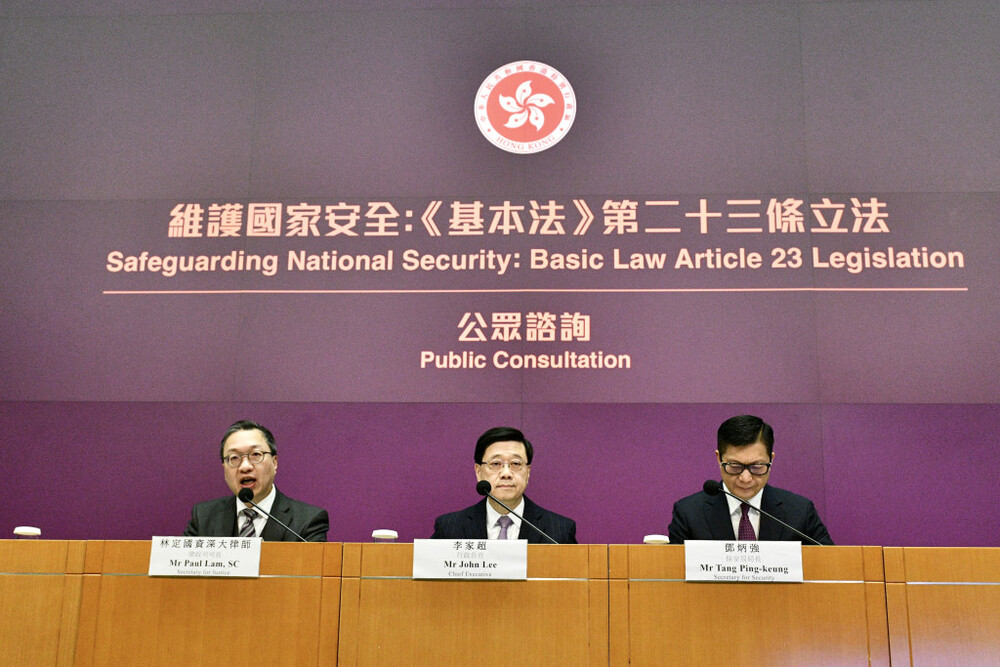
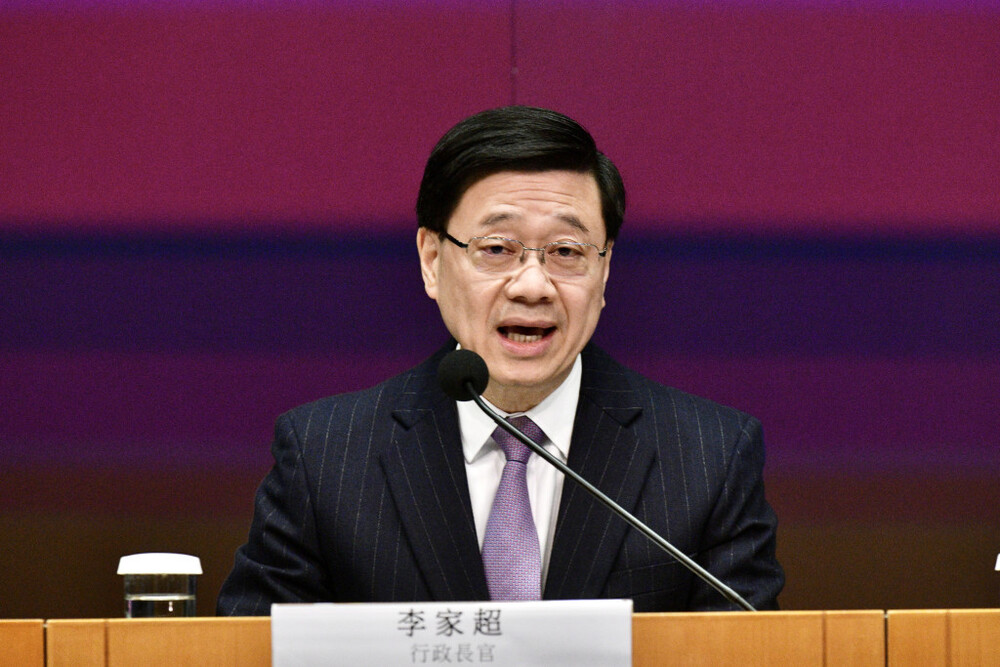
Chief Executive John Lee Ka-chiu confirmed that a public consultation on enacting the city’s own national security law will commence on Tuesday, saying the city has the constitutional responsibility to impose the new laws.
He said a consultation document will be released later today, and the government will attempt to pass the legislation "as soon as possible".
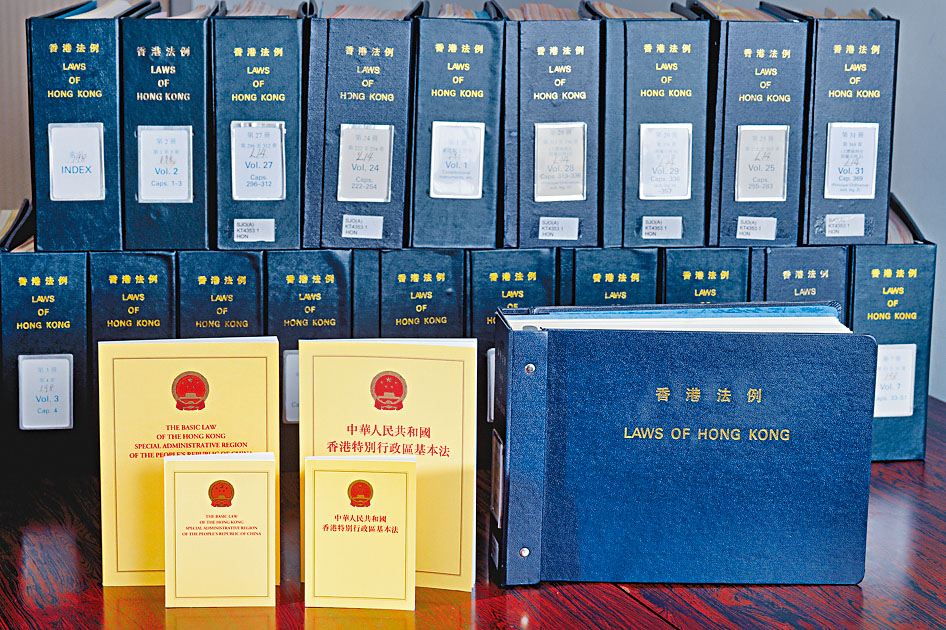
Speaking at a press conference this morning, the Hong Kong leader said the Basic Law requires the city to enact its own national security law.
“I want to say that legislation for Article 23 of the Basic Law is something that we need to do and have to do as soon as possible because it is our constitutional responsibility,
“It’s been over 26 years since the reunification, and we still haven’t completed this duty.”
He said other countries, including the US, UK, and Singapore, have similar laws to safeguard security and Hong Kong would draw references from them.
The public consultation period began Tuesday and will end on February 28.
Lee said the government will hold multiple briefings and explanations to various groups, including foreign consulates and chambers of commerce, to ensure their understanding of the proposed legislation and its benefits in terms of safety, stability, and the overall social and business environment for both local and foreign enterprises.
He added that during the consultation period, the government will conduct extensive explanatory work and ensure that public opinions are fully considered.
Also speaking at the press conference, Secretary for Security Chris Tang Ping-keung said the package would include sections covering state secrets and espionage, treason, sedition and the use of computers and electronics systems to conduct actions endangering national security.
He added that there is a need for the government to examine the necessity to extend the detention duration for the new national security law so as to prevent circumstances that would jeopardize the investigation, such as tipping off the accomplices or avoiding the risk of a bailed person in abscond.
He stated that the government has looked at many overseas experiences, like the UK national security bill that puts an offender in detention for 14 days, while Singapore can detain offenders for up to two years.
Tang noted that the authorities are examining the mechanism of regulating and ensuring all the detention periods are necessary.