Urologist Dr. Hu Wei-hsiang wrote in a Facebook post that a patient who was actively building muscle once asked: "Doctor, I'm clearly very healthy—how did I get a kidney stone so painful that I was sent to the emergency room?" This is actually not surprising at all, because the "muscle-building phase" is often precisely a high-risk period for kidney stones. Blindly loading up to grow muscle—once the method goes wrong, it is very likely you are training your chest while growing stones. He specifically points out the 5 kidney-harming traps most commonly stepped into by muscle-builders, reminding fitness enthusiasts to avoid them early:
Doctor Reveals 5 Major Muscle-Building, Kidney-Harming Traps
1. Loading Up on Protein but Not Drinking Enough Water
High protein produces more waste during metabolism in the human body and requires large amounts of water to be excreted through urine. If water intake is insufficient, urine concentration becomes too high, which is tantamount to paving the way for stones. This is the most common and also the easiest bad habit to correct among muscle-builders.
2. Eating Large Amounts of High-Oxalate Foods
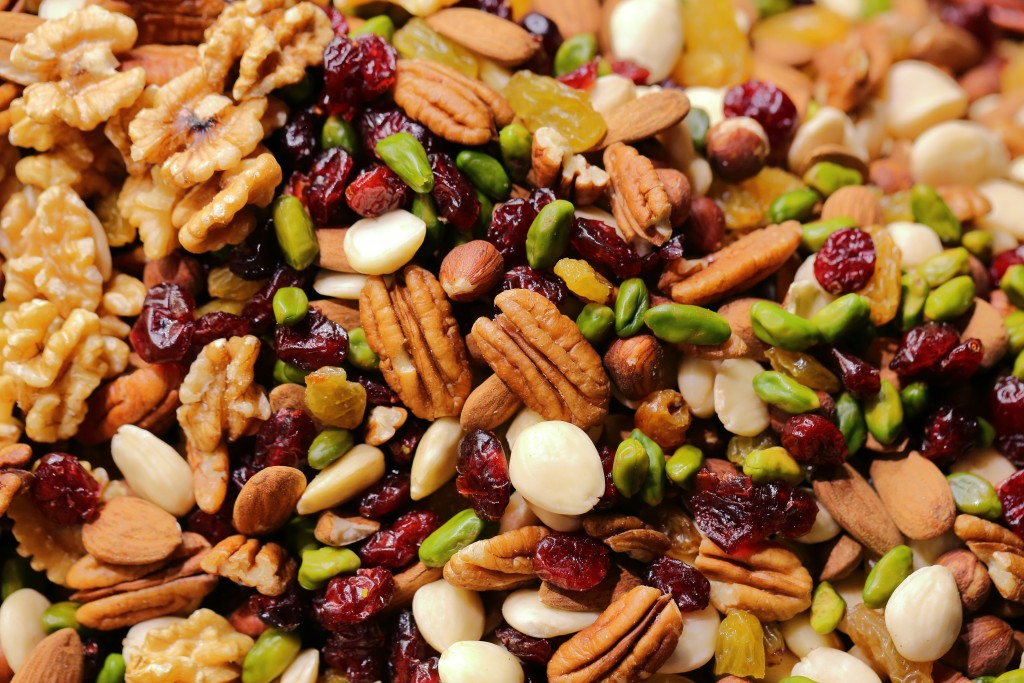
Spinach, nuts, chocolate, and some high-protein powders all contain extremely high oxalate, and oxalate combines with calcium in the body to form the most common stone component. People who love drinking chocolate-flavored whey protein powder and also eat lots of nuts must pay special attention to portions.
3. Fear of Getting Fat While Dieting Leads to Too Low Calcium Intake
Many people have a misunderstanding, thinking that kidney stones form because there is too much calcium in the body. The fact is exactly the opposite: consuming an appropriate amount of calcium in the diet can combine with oxalate first in the intestines and be excreted from the body. If too little calcium is eaten, calcium oxalate stones are instead more likely to form.
4. Blindly Relying on Sports Supplements and Ignoring Natural Foods
Long-term, large-dose use of single supplements, such as high-dose vitamin C and certain strong muscle-building powders, may greatly increase stone risk after metabolism in the body. Natural whole foods in daily life should always be the main character; supplements are only auxiliary—never put the cart before the horse.
5. Being in a Dehydrated State for Long Periods
High-intensity training is accompanied by heavy sweating. If lost water is not replenished immediately, urine concentration stays high all day. The greater the training volume, the more indispensable drinking water becomes.
What Are the Symptoms of Kidney Stones?
According to information from Hong Kong Adventist Hospital, kidney stones are stony substances accumulated in the kidneys, mainly caused by insufficient drinking water, which makes urine concentration high and minerals precipitate to form stones. By location, they can be divided into kidney stones, ureteral stones, and bladder stones.
Causes of Kidney Stones
-
Long-term insufficient water intake, reduced urine output
-
Suffering from chronic diseases
-
Taking specific medications
-
Living in hot regions
-
Bacterial infection of the urinary system
Common Symptoms of Kidney Stones
Most patients have no obvious symptoms. If a stone falls from the kidney into the ureter and causes blockage, the following may appear:
-
Colic
-
Nausea, vomiting
-
Infection and chills
-
Lower back pain
-
Blood in urine
High-Risk Factors for Kidney Stones
Treatment of Kidney Stones
If lower back pain, blood in urine, or colic occurs, seek medical attention as soon as possible. In daily life, sufficient water should be replenished to prevent stone formation. Urologists will decide based on stone size, location, degree of urinary tract obstruction, and the patient's health condition:
-
Medication: Suitable for stones with no obvious symptoms or relatively small size, allowing them to pass naturally.
-
Extracorporeal shock wave lithotripsy: Uses shock waves to break up stones, and fragments are passed in urine—no surgery needed.
-
Ureteroscopy: An endoscope enters the kidney through the urethra to break up stones; generally requires anesthesia.
-
Percutaneous nephrolithotomy: Suitable for stones that are too large or unresponsive to shock waves; a minimally invasive surgery with a small incision in the back to remove stones.
Source: Urologist Dr. Hu Wei-hsiang, Hong Kong Adventist Hospital