
Read More
ADVERTISEMENT
SCROLL TO CONTINUE WITH CONTENT
According to a report by the Japanese media outlet Yahoo! JAPAN, brushing teeth is not only for removing food residue between teeth, but is also closely related to overall health. Correct oral cleaning habits can effectively prevent various diseases and even help prolong life. Japanese dentist Daisuke Hirano from Niigata Prefecture points out that there are 2 most easily overlooked traps in daily brushing:
1. Habitually Wetting the Toothbrush First
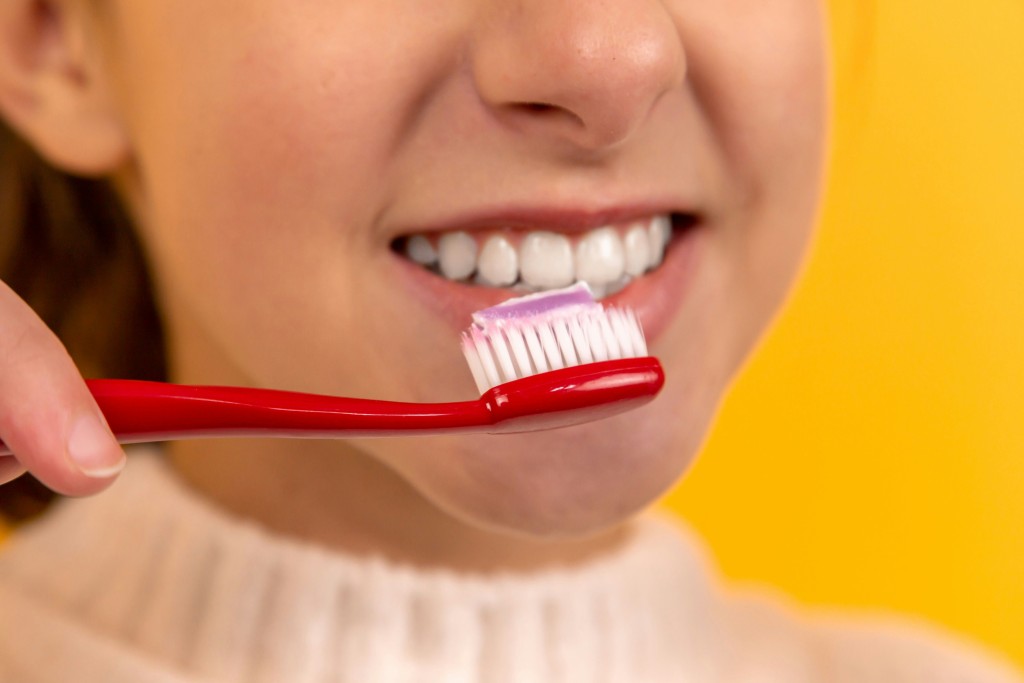
From a professional perspective on preventing dental health problems, the most correct brushing method is actually dry brushing. Wetting the toothbrush makes the toothpaste foam very easily, creating the illusion that you have brushed very clean with only a little toothpaste. More seriously, the key anti-cavity active ingredients in toothpaste, such as fluoride, will be diluted by water, immediately halving its tooth-protecting effect. The most ideal approach is to squeeze the toothpaste directly onto completely dry bristles and start brushing immediately.
2. Brushing Too Hard
Brushing too hard is an extremely common mistake. It not only directly harms the teeth and gums, but the biggest drawback is that it completely flattens the toothbrush bristles, making it impossible for the bristles to reach deep into the gaps between teeth. When the bristles cannot reach the dead corners where dental plaque most easily accumulates, no matter how long you brush, a large amount of bacteria will still remain. The hand force when brushing should remain gentle to ensure the bristles can reach deep into the gaps between teeth.
Dental Plaque May Cause 4 Major Diseases
Hirano emphasizes that dental plaque in the mouth is by no means ordinary food dirt, but a biofilm formed by countless harmful bacteria gathering together. In particular, dental plaque lurking in the gingival sulcus (the junction between teeth and gums) requires special attention. If not removed for a long time, it may cause gum disease. These bacteria can further affect overall health through blood vessels or the respiratory tract, and are related to heart disease, worsening diabetes, and aspiration pneumonia.
How Often Should a Toothbrush Be Replaced?
Hirano states that generally speaking, it is recommended to replace it once a month. However, some very durable toothbrushes have appeared on the market, and these only need to be replaced once every three months. Please read the characteristics of each product carefully and use them correctly. In addition, the shape of the toothbrush bristles also has different uses. Toothbrushes with rounder bristles are suitable for cleaning dirt on the tooth surface; styles with sharper bristles, such as ultra-fine bristles, are more suitable for cleaning periodontal pockets and gaps between teeth. When choosing a toothbrush, you should also choose suitable bristles according to your own gum and oral conditions.
Hirano reminds that the force used when brushing, the choice of bristles, and whether the bristles can correctly contact the gingival sulcus and gaps between teeth are not easy for ordinary people to judge on their own. Therefore, in addition to brushing correctly every day, regular dental checkups are also very important. Through dentists checking oral conditions and receiving guidance on correct brushing methods, you can know whether you are really cleaning the places where dental plaque easily accumulates in daily life.
Source: Yahoo! JAPAN