According to a report by the Japanese media outlet grape, due to building structure and room orientation, some people may find that heat easily accumulates in the kitchen. If the room they live in has a higher temperature, they may worry whether the stored flour is still safe to use. The Japanese food manufacturer points out that if you are worried that flour or cake flour stored in the kitchen has spoiled due to hot weather, you can use the following method for self-testing:
Method: Take out a very small amount of flour, dissolve it in warm water, and then carefully smell its odor.
Abnormal indicator: If a sour smell or any other abnormal off-odor is detected, it means the flour has spoiled and must be discarded immediately—absolutely avoid eating it.
1 Common Storage Habit Actually Causes Flour to Absorb Moisture and Grow Mold
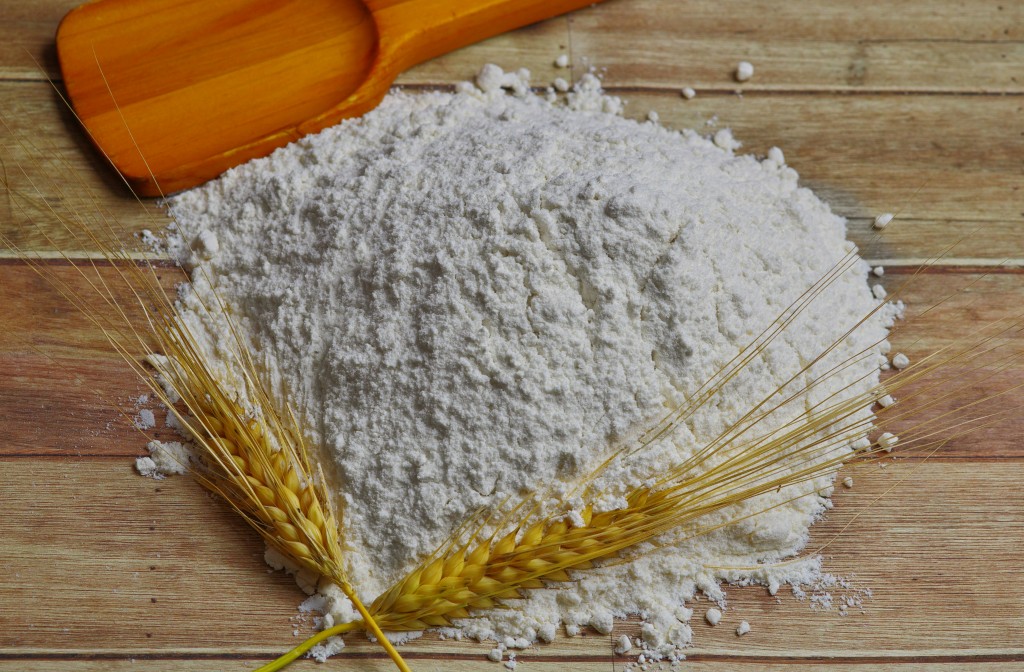
Many people intuitively think, "The weather is hot and humid, so putting food in the fridge is safest," but even when the weather is hot, flour is absolutely not suitable for refrigerated storage. Once flour is put in the fridge, every time it is taken out for use and put back, condensation will form inside the bag due to the instantaneous temperature difference. This will cause the flour to clump severely, absorb moisture, and even greatly increase the risk of mold. The inside of a fridge is usually filled with the smells of various ingredients, and flour has extremely strong absorbency; placing it in the fridge very easily absorbs the miscellaneous odors of other foods, affecting the flavor of baked goods. Whether opened or unopened, flour should be stored at room temperature in a cool, dry, and well-ventilated place.
Tips for Correctly Storing Flour
Opened flour is the favorite food of grain pests. To avoid bugs, it is recommended to adopt the following 3 major storage methods:
1. Keep Away from Moisture and Strong Odors
Flour very easily absorbs moisture and must be stored in a dry, cool place. In addition, never place flour next to items with strong odors such as detergents and disinfectants, to avoid the flour absorbing chemical off-odors.
2. Seal the Bag Opening Tightly and Put It in an Airtight Container
The bag opening should be firmly folded and sealed, then placed in an iron can or plastic airtight container for storage, to block insects or foreign matter from entering.
3. Pancake Mix and Okonomiyaki Flour Must Be "Refrigerated" After Opening
It is worth noting that "prepared flour" such as pancake mix and okonomiyaki flour has a storage method completely opposite to ordinary flour. Unopened, it can be placed in a cool, dry place away from direct sunlight and stored at room temperature. Once opened, the bag opening must be securely sealed, put into an airtight container, and stored in the fridge for refrigeration, and used up as soon as possible.
What If the Flour Has Already Been Put in the Fridge?
If the flour at home has previously been mistakenly stored in the fridge, do not switch it back to room-temperature storage at this point. It is recommended to take it out of the fridge only when needed and use it up in the shortest possible time. To maintain the best quality of flour, it is not recommended to stockpile large amounts at once. Buy according to actual usage and store properly in a dry, cool environment to reduce problems caused by long-term storage.
Source: grape