Read More





4 major benefits of a 'power' salad
22-11-2026 12:00 HKT


Early dinner-eating trend: All benefits or are there side effects?
21-11-2026 12:00 HKT




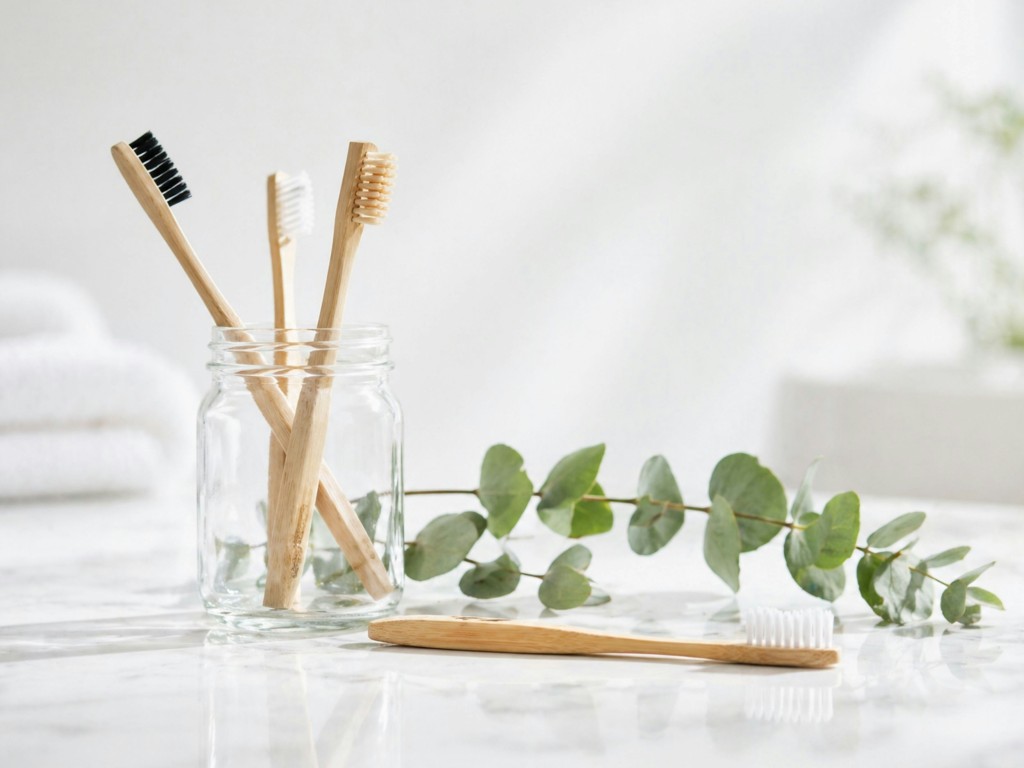
According to the Japanese lifestyle information website "beauty news tokyo", many people hold the belief that "putting on a dust-proof cover can prevent bacteria, so it should be more hygienic" or "covering it can protect the bristles." Even if the toothbrush has been thoroughly rinsed, a lot of moisture still remains at the base of the bristles and in the gaps. If a sealed protective cover is put on immediately at this time, the moisture will be locked inside the cover, causing the toothbrush to take an extremely long time to dry thoroughly. If the toothbrush remains in a damp, stuffy, sealed state for a long time, it will cause large amounts of fungi and mold to grow deep in the bristles. When brushing, not only does it fail to clean, but it is equivalent to directly "swallowing bacteria into the stomach."
To ensure the toothbrush is clean and hygienic, when storing it in daily life, the toothbrush must be thoroughly rinsed clean, excess water shaken off forcefully, and placed in a well-ventilated place to dry. If the whole family shares the same toothbrush holder or cup, a certain gap must be maintained to prevent the bristles from touching each other. Under normal circumstances, insisting on "thorough drying" is more important than "covering and protecting" the toothbrush.
This does not mean toothbrush protective covers are completely useless. When traveling or carrying a toothbrush to work, a protective cover or storage case can effectively prevent the bristles from directly contacting miscellaneous items in luggage or handbags. Before putting it in the bag when going out, try to use a clean paper towel to absorb the moisture on the bristles; in addition, be sure to choose a protective cover or storage case with "ventilation holes" to prevent moisture from accumulating inside the bag.
According to a report by the Japanese media outlet Yahoo! JAPAN, Japanese dentist Daisuke Hirano from Niigata Prefecture points out that generally speaking, it is recommended to replace it once a month. However, some very durable toothbrushes have appeared on the market, and these only need to be replaced once every three months. Please read the characteristics of each product carefully and use them correctly. In addition, the shape of the toothbrush bristles also has different uses. Toothbrushes with rounder bristles are suitable for cleaning dirt on the tooth surface; styles with sharper bristles, such as ultra-fine bristles, are more suitable for cleaning periodontal pockets and gaps between teeth. When choosing a toothbrush, you should also choose suitable bristles according to your own gum and oral conditions.
Dr. Daisuke Hirano reminds that the force used when brushing, the choice of bristles, and whether the bristles can correctly contact the gingival sulcus and gaps between teeth are not easy for ordinary people to judge on their own. Therefore, in addition to brushing correctly every day, regular dental checkups are also very important. Through dentists checking oral conditions and receiving guidance on correct brushing methods, you can know whether you are really cleaning the places where dental plaque easily accumulates in daily life.