
Read More
ADVERTISEMENT
SCROLL TO CONTINUE WITH CONTENT
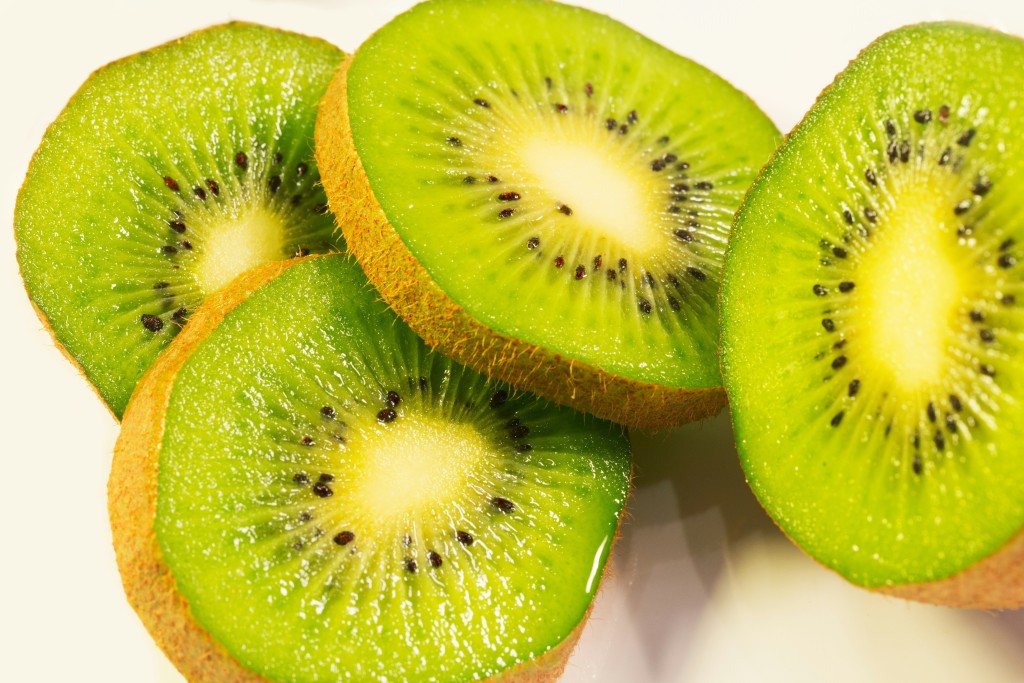
Twice the vitamin C: Golden kiwifruit contains as much as 161.3 mg of vitamin C per 100 g, twice that of green kiwifruit (74.7 mg). The WHO recommends a daily vitamin C intake of 45 mg for adults, so eating one green or golden kiwifruit of about 75 g is already enough to provide the daily requirement. Vitamin C is a powerful antioxidant that helps reduce damage to cells from free radicals, thereby strengthening resistance and delaying aging.
Rich in potassium to excrete sodium and prevent edema: Kiwifruit is a high-potassium fruit, and golden kiwifruit contains more potassium than green kiwifruit. Every 100 g of golden kiwifruit contains 315 mg of potassium, while green kiwifruit contains 198 mg—in other words, golden kiwifruit's potassium content is nearly 50% higher. Potassium helps excrete excess sodium from the body and has the effect of lowering the risk of high blood pressure and preventing edema.
Rich in fructose and sweeter in taste: Kiwifruit is a low-sugar fruit. Every 100 g of golden kiwifruit contains 15.8 g of sugar, while green kiwifruit contains 14 g—not much difference between the two. However, because the fructose in kiwifruit is 1.7 times sweeter than white granulated sugar, golden kiwifruit has always tasted sweeter than green kiwifruit. Compared with other fruits (such as one mango containing about 45 g of sugar, one cup of grapes containing about 23 g of sugar, and one banana containing about 14 g of sugar), kiwifruit's sugar content is half or more lower, suitable for women who want to control sugar intake while still enjoying sweetness.
Comparison Table (per 100 g):
-
Golden kiwifruit: Calories 61 kcal, Sugar 11 g, Fiber 2 g, Vitamin C 105 mg, Potassium 315 mg
-
Green kiwifruit: Calories 58 kcal, Sugar 9 g, Fiber 3.8 g, Vitamin C 71 mg, Potassium 273 mg
Although kiwifruit has many benefits, 4 groups of people should not consume large amounts:
People with poor kidney function or on dialysis: Kiwifruit itself is relatively high in potassium. People with poor kidney function, uremia, or who need dialysis find it difficult for the body to excrete excess potassium, and excessive consumption may lead to hyperkalemia, triggering arrhythmia and even heart disease. Normal people's daily potassium intake is about 3,500–4,500 mg, while kidney disease patients may need to adjust to about 2,000 mg per day. Therefore, kidney disease patients should eat kiwifruit in moderation and are advised to choose green kiwifruit, which has lower potassium content.
People taking anticoagulant drugs or with bleeding disorders: The vitamin K in kiwifruit has a role in assisting coagulation-related mechanisms. If taking anticoagulant drugs, it may affect blood clotting or drug efficacy, so such patients should avoid eating it.
People with weak spleen and stomach (cold constitution): From the perspective of traditional Chinese medicine, kiwifruit is a cold-natured fruit. People with weak spleen and stomach should eat less, and it is even less recommended to eat too many at once, to avoid causing abdominal pain or diarrhea.
Women during menstruation or confinement: Because kiwifruit is cold in nature, women should try to avoid eating it during menstruation or postpartum confinement, to avoid triggering or worsening physical discomfort.
Best Time to Eat
According to the Healthy Eating Pyramid recommendations, general adults should eat at least 2 servings of fruit per day, and 1 serving of fruit equals 2 kiwifruits. Kiwifruit has no specific eating time; you can arrange it according to personal dietary habits:
Eating before meals: Helps increase satiety, thereby reducing the portion eaten at the main meal, which is helpful for weight management.
Eating after meals: Facilitates the absorption of certain nutrients—for example, the vitamin C in kiwifruit can promote the absorption of iron from the meal.
In addition, compared with the flesh, kiwifruit skin actually contains more flavonoids, antioxidants, and vitamin C, and has twice the fiber of the flesh. If you want to eat it with the skin, you can scrape off the fine fuzz on the skin before eating, or directly choose golden kiwifruit, which has smoother skin and is easier to eat.