Read More





4 major benefits of a 'power' salad
22-11-2026 12:00 HKT


Early dinner-eating trend: All benefits or are there side effects?
21-11-2026 12:00 HKT




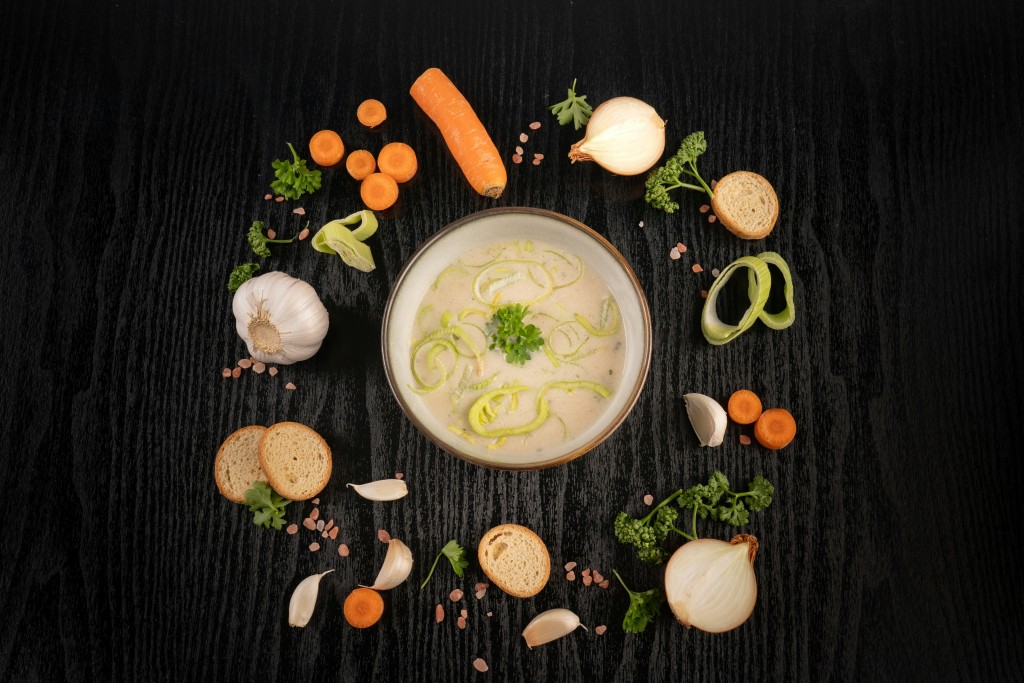
Nutritional functional medicine expert Dr. Liu Po-jen wrote in a Facebook post that as the weather gradually turns cooler, steaming hot white radish soup has begun to appear frequently on family dining tables again. There is a common folk wellness saying, "Eat radish in winter and ginger in summer," and many people even believe that white radish can help digestion, clear greasiness from the body, promote detoxification, and even prevent cancer. How much scientific basis do these claims actually have? From the perspective of nutritional medicine, he breaks down the 4 major common myths about white radish in detail:
The biggest characteristic of white radish is its extremely high water content. Every 100 grams of white radish has only about ten to twenty-something calories. It is rich in vitamin C, potassium, dietary fiber, and a small amount of folic acid. Vitamin C can fight oxidation and promote collagen synthesis; potassium can maintain nerve, muscle, and normal blood pressure regulation; dietary fiber helps promote intestinal peristalsis. For people losing weight or controlling body weight, replacing high-calorie side dishes with white radish is an excellent low-calorie choice. However, although white radish is healthy, it does not mean the more you eat, the better, nor can it replace other dark green, orange-red vegetables.
Many people do not know that white radish, broccoli, cabbage, and cauliflower actually belong to the same anti-cancer vegetable family—cruciferous vegetables. These plants contain a natural component called glucosinolates. When we cut and chew white radish, plant enzymes promote their conversion into isothiocyanates, which is also the reason radish has a slight pungent taste. Although cell and animal experiments have confirmed that isothiocyanates have antioxidant, anti-inflammatory, and cell-protective potential, cruciferous vegetables have always been an important direction in nutritional medicine and cancer prevention research.
But it must be especially noted that the discovery of certain components with anti-cancer potential in the laboratory does not mean eating white radish can prevent or treat cancer. Current human study results are still not completely consistent, and white radish cannot be treated as an anti-cancer drug.
After a feast of fish and meat, many people like to drink a bowl of white radish soup, thinking it can clear away the oil they just ate. In fact, human digestion of fat requires bile emulsification, breakdown by digestive enzymes, and then absorption and metabolism through the intestines. There is currently no clinical evidence showing that eating white radish can directly break down body fat or clear blood vessel grease. As for "detoxification," the main organs for metabolizing waste in the human body are the liver and kidneys. Although white radish can provide water and nutrition, there is no evidence proving it can additionally excrete large amounts of toxins from the body. White radish is a healthy ingredient, but by no means a miraculous vascular scavenger.
Eating white radish raw can retain more heat-sensitive vitamin C and also retain some plant enzymes related to glucosinolate metabolism. But some people easily experience bloating, burping, or gastrointestinal discomfort when eating raw white radish. After cooking, the texture becomes soft and the pungent taste is reduced, making it easier to chew and accept. Although heating causes some loss of vitamin C and also affects plant active components, it does not mean cooked white radish loses its nutrition—it is very suitable for the elderly, people with poor teeth, and people with sensitive stomachs. As for people with poor kidney function who need to limit potassium intake, they must control portions, especially avoiding drinking large amounts of vegetable soup.
Liu states that the best food therapy does not necessarily require expensive ingredients or complicated techniques. He shares 2 home-style dishes; when eating them in daily life, they should still be paired with other vegetables and an appropriate amount of whole grains and mixed cereals to maintain a balanced meal:
Prepare half a white radish, an appropriate amount of fresh fish, shredded ginger, and a little chopped scallion. Peel and cut the white radish into chunks, add clean water and cook until slightly translucent, then add the fresh fish and shredded ginger, cook until the fish is thoroughly cooked, and finally sprinkle with a little chopped scallion. This soup provides high-quality protein from the fish, as well as water and dietary fiber from the white radish.
Cut the white radish into slightly thick round slices, top with chopped shiitake mushrooms, minced garlic, and a small amount of olive oil, and steam in a rice cooker until cooked. After taking it out, add a little chopped scallion and a small amount of soy sauce for flavor. The natural sweetness of white radish plus the umami of shiitake mushrooms makes a simple and refreshing home-style dish.
Source: Nutritional functional medicine expert Dr. Liu Po-jen