
Read More
ADVERTISEMENT
SCROLL TO CONTINUE WITH CONTENT
Dietitian Lillian points out that when a person eats, food stimulates a hormone called incretin (GLP-1) in the gut. GLP-1 transmits satiety signals to the brain, slows gastric emptying, and stimulates insulin secretion, thereby producing a feeling of fullness. However, this natural GLP-1 stimulated by food is broken down quickly after being produced in the human body, and its duration of action is short. The body then enters the next step of the digestive process, and combined with the stomach already being somewhat filled, the feeling of fullness is prolonged.
As for the clinically prescribed "weight loss injection," after special processing, GLP-1 can remain in the human body for a longer time, usually several days to a week. People receiving the injection maintain a stronger feeling of fullness for a long time, have reduced appetite, and overall calorie intake decreases, thereby achieving weight loss effects. Lillian emphasizes: "Food making GLP-1, although it has the same effect, is broken down very quickly, so it may not be an effective way to suppress appetite." In other words, it is unrealistic to rely solely on everyday ingredients to mimic the effects of weight loss injections.
Tuna Meal Plan: Lose 4 kg in a Month? May Lose Water and Muscle
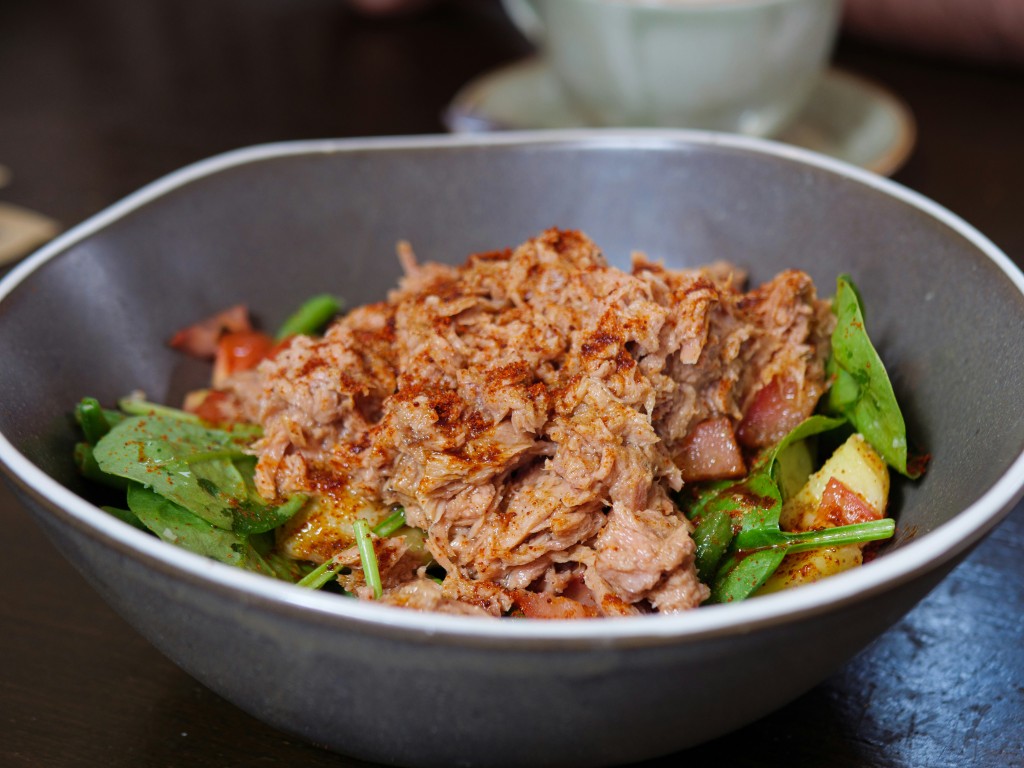
The viral meal plan centers on tuna, paired with eggs, corn, cucumber, seaweed, etc. Lillian analyzes that this is actually a low-calorie, high-protein food combination. Although long-term consumption has a weight-loss effect, attention must be paid to whether the nutritional combination can balance and support daily needs. "The WHO generally recommends losing 2 to 4 kg per month, and when losing weight, attention should be paid to whether what is lost is fat, water, or muscle."
Regarding the viral meal plan's claim of losing 4 kg in a month, Lillian states that under a very low-calorie diet, losing 4 kg in a month is not impossible, but the key lies in what is lost. "Many low-calorie or low-carb meal plans often preferentially lose water and muscle, which in the long run may cause insufficient muscle mass in the body, leading to a long-term slowdown in basal metabolic rate." If protein intake is insufficient or calories are too low, the body will break down muscle to provide energy; muscle loss slows metabolism and makes rebound weight gain easy.
Eating Tuna Every Day Long-Term: Heavy Metal Accumulation Harms Nerves
Lillian especially points out that tuna is a large deep-sea fish that easily accumulates heavy metals. It is generally recommended to eat it 2 to 3 times a week, which is sufficient—it should not be eaten every day. "Long-term or frequent consumption may cause the body to accumulate more heavy metals, ultimately affecting the nervous system." She suggests replacing tuna with diversified proteins, such as:
-
Chicken breast
-
Salmon
-
Firm tofu
-
Shrimp
-
Scallops
This method can take in different proteins and minerals while avoiding the risk of heavy metal accumulation.
Pairing Vegetables and Whole Grains Increases Diverse Nutrition and Sustainability
Besides protein, vegetables and whole grains should also be diversified. Lillian suggests that vegetables can be chosen in different color combinations, and whole grains can also be paired with options other than corn:
Vegetables: Green and red bell peppers, cauliflower, broccoli
Whole grains: Sweet potato, red rice, brown rice, white rice, noodles
She emphasizes that weight loss meal plans should be based on the principles of low fat and balanced nutrition, including the three major categories of whole grains, protein, and vegetables. If the combinations are varied, it is easier for people to persist and can also meet the body's nutritional needs, maintaining ideal metabolism and health.
In summary, natural ingredients such as eggs, tuna, and vegetables are themselves nutritious and beneficial to health, but they should not be mythologized as a "natural weight loss injection." The effect of food stimulating GLP-1 is short-lived and cannot replace clinical medication; rather than blindly following a single meal plan, it is better to establish balanced, diverse, and sustainable eating habits.