According to a systematic review and meta-analysis published in Cytokine in 2020, the research team integrated 16 randomized controlled trials covering a total of 1,010 participants. Results found that daily supplementation with an appropriate amount of ginger (average 750 to 2,000 mg per day) can significantly reduce various inflammatory markers in the body. Data indicates that ginger can effectively inhibit the activity level of chronic inflammatory responses and help prevent and control metabolic syndrome, cardiovascular disease, joint inflammation, and diabetes risk:
-
C-reactive protein (CRP): SMD -5.11 (95% CI -7.91 to -2.30)
-
Tumor necrosis factor (TNF-α): SMD -3.23
-
Interleukin-6 (IL-6): SMD -2.00
In addition, a 2020 study in Phytotherapy Research also added that ginger can enhance total antioxidant capacity (TAC) while reducing the concentration of lipid peroxidation products (MDA). This further confirms ginger's potential in antioxidant and anti-aging aspects. Ginger is by no means merely a traditional cold-dispelling ingredient, but a "natural anti-inflammatory agent" recognized by modern science.
Ginger Stabilizes Blood Sugar and Blood Lipids and Reduces Complication Risk
According to a double-blind placebo-controlled clinical trial published in the International Journal of Food Sciences and Nutrition in 2014, the research team conducted a 12-week observation of 70 patients with type 2 diabetes, with participants supplementing 1,600 mg of ginger daily.
Results showed that compared with the placebo group, the ginger group showed significant decreases in fasting blood sugar, glycated hemoglobin (HbA1c), insulin, and insulin resistance (HOMA-IR). At the same time, triglycerides, total cholesterol, C-reactive protein (CRP), and prostaglandin E2 (PGE₂) also improved significantly.
This study indicates that for type 2 diabetes patients, ginger can not only help stabilize blood sugar and blood lipids, but also reduce the risk of complications related to chronic inflammation, making it an extremely valuable natural dietary strategy.
Ginger Relieves Heavy Menstrual Bleeding and Menstrual Discomfort in Women
According to a randomized clinical trial published in Phytotherapy Research in 2015, the research team conducted a three-month intervention observation of 92 young women troubled by heavy menstrual bleeding (HMB). Results showed that taking ginger capsules daily can significantly reduce menstrual blood loss and improve various menstrual discomforts, with no obvious side effects observed during the process.
Folk tradition believes that ginger can relieve menstrual pain, and modern medical research has further confirmed ginger's positive effect on those with heavy menstrual bleeding. For women with menstrual troubles, ginger is a mild, safe, and scientifically evidence-supported daily health choice.
3 Major Core Components of Ginger Activate the Body's Repair and Defense Mechanisms
Ginger's powerful health benefits are mainly attributed to its rich active components:
Gingerol: The main active substance of ginger, with strong antioxidant and anti-inflammatory effects, especially helpful for lowering CRP, TNF-α, and relieving joint inflammation.
Shogaol: A component produced after ginger is heated, with stronger anti-inflammatory effects than gingerol, commonly used to regulate menstrual pain and nerve pain.
Zingerone: Has neuroprotective effects, helps improve gastrointestinal function, and enhances immunity.
These active components work synergistically with B vitamins, potassium, magnesium, and natural phytonutrients, making ginger not only provide a pungent flavor, but also a key ingredient that stimulates the body's self-repair power.
Ginger Tea "Add 2 Things" for Breakfast to Improve Absorption
1. Recommended Daily Intake
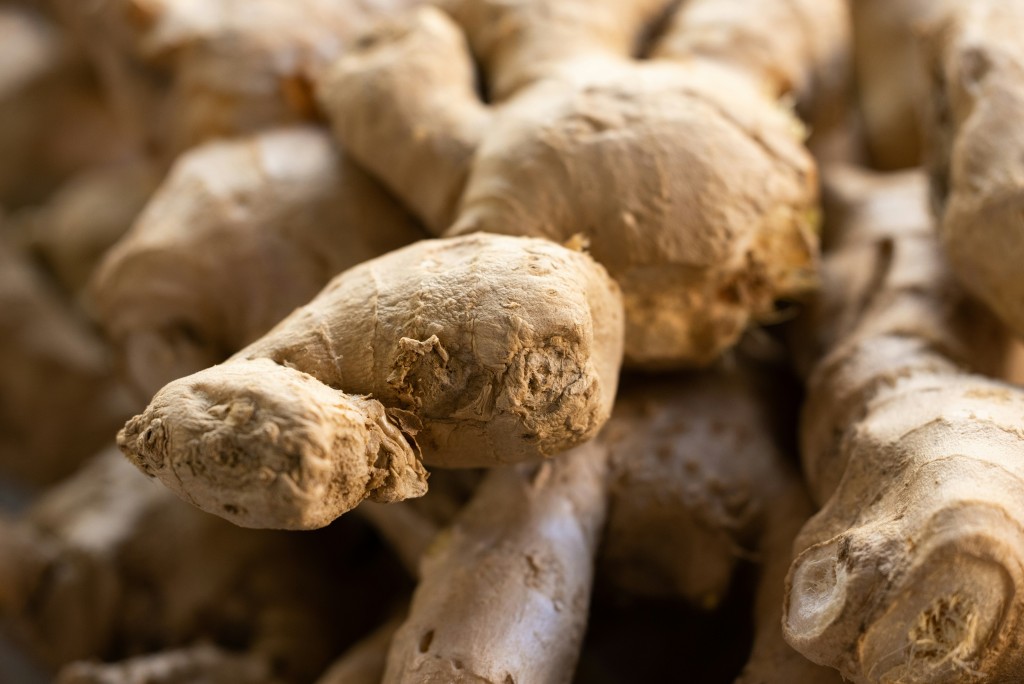
Ginger powder: According to clinical and meta-analysis studies, daily supplementation of 750–2,000 mg of ginger powder (most studies use 1,000–1,500 mg) can achieve significant anti-inflammatory effects.
Fresh ginger: Estimated according to trial doses such as Pain Medicine (2015), 1 g of ginger powder is roughly equivalent to 10 g of fresh ginger. Therefore, the recommended daily intake of fresh ginger is 15–30 g (about 8–15 thin slices of ginger).
2. Eating Precautions
High doses of ginger powder may cause gastrointestinal discomfort. It is recommended to divide the daily amount into several doses and eat with meals. Only by combining with a balanced overall dietary pattern can the maximum health benefits be achieved.
3. Breakfast Pairing Suggestions
In cooking, ginger is very suitable for heating and stir-frying, brewing ginger tea, making stewed soup, ginger scrambled eggs, or ginger stir-fried tofu. If it can be eaten together with protein and fat ingredients (such as milk, tofu, chicken, olive oil), it is more helpful for the body to absorb its nutrients.
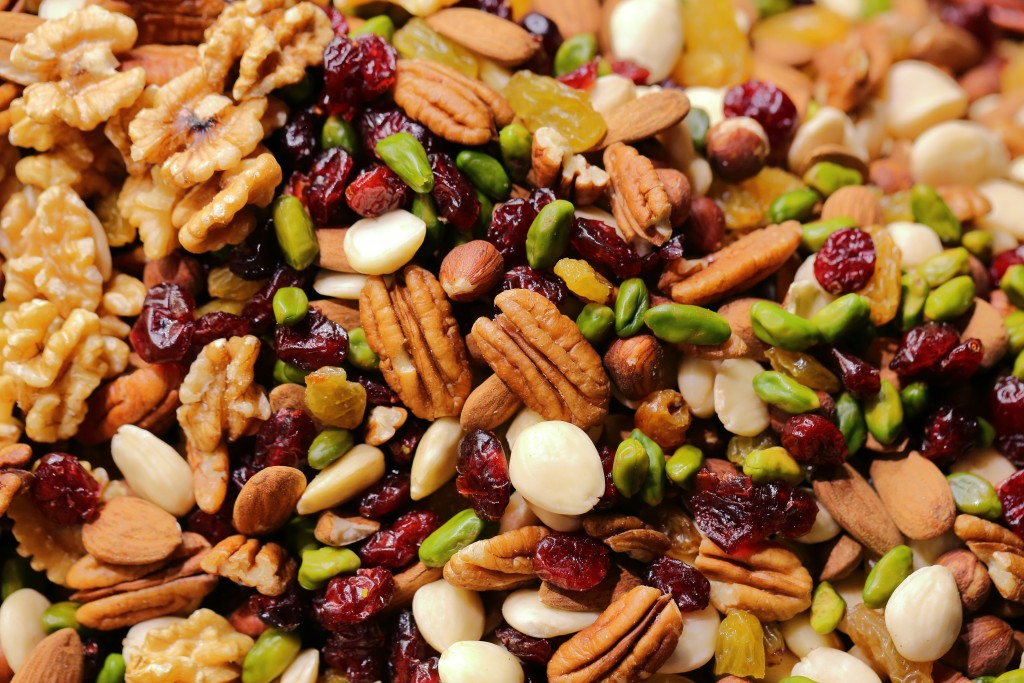
For daily breakfast pairing, it is recommended to drink a cup of warm ginger tea with a purple rice ball and a boiled egg; or choose a cup of ginger black soy milk with baked sweet potato and nuts, which is both filling and helps maintain stable blood sugar. Note that ginger should never be eaten on an empty stomach.
Source: Dietitian Mom Hsiao-ching's Life Notes