Worried about high blood sugar, do you have to completely give up all carbohydrates? British emergency doctor Alex recently pointed out in a YouTube video that the key to blood sugar control is actually not simply eating fewer carbs—the more important knowledge lies in "which type of carbs you eat."
Carbohydrate Processing Affects Blood Sugar - Whole Foods Digest More Slowly and Effectively Prevent Blood Sugar Spikes
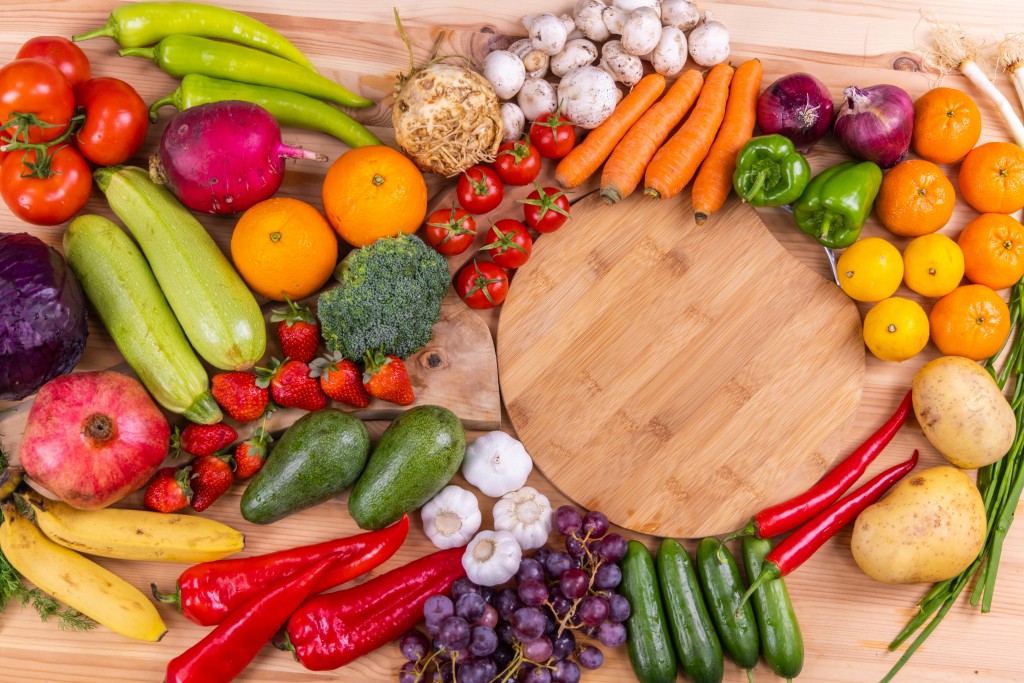
In fact, vegetables, fruits, beans, and whole grains are also carbohydrates. Rather than innocently cutting them all out, the public should reduce refined or ultra-processed carbs such as fruit juice and white bread, while keeping fiber-rich whole foods. He also cited clinical research data showing that subjects who adopted a diet mainly based on high-plant carbohydrates, although their overall carbohydrate intake was higher, showed greater improvement in glycated hemoglobin, and also had more obvious weight loss performance.
Why does the choice of carbohydrates cause such a big difference in blood sugar? Alex further breaks it down in the video: the sugar in sugary drinks is already completely dissolved in liquid, and after entering the human body it is absorbed extremely quickly, causing blood sugar to spike instantly; in contrast, the starch in whole plant foods such as beans is wrapped in multiple layers of plant cell walls, dietary fiber, and natural protein, so the human body needs to spend a longer time digesting and breaking it down.
Therefore, the scientific way to control blood sugar is not to treat all carbohydrates as "devils" and completely eliminate them, but to consciously reduce refined and ultra-processed carbs and replace daily diet with high-quality sources such as vegetables, fruits, beans, and whole grains. In addition, the degree of food processing also affects post-meal blood sugar performance. Taking grains as an example, whole grains and products ground into flour have completely different digestion speeds even if they contain the same carbohydrates; the same principle applies to fruit. Whole fruit retains more fiber and requires slow chewing, but once it is juiced, the human body can extremely easily and quickly take in excessive free sugars from it.
Doctor's Advice: When Choosing Packaged Foods, Pay Attention to the Carb-to-Fiber Ratio
When choosing packaged foods in daily life, Alex suggests that the public can adopt a simple and practical judgment indicator: divide "total carbohydrates by dietary fiber." If the calculated ratio is lower than 10, it is a good choice; if it can be lower than 5, it is even more ideal. By taking in sufficient dietary fiber, you protect blood sugar and overall metabolic health. Besides adjusting dietary content, muscle activity also plays a pivotal role in blood sugar regulation. He explains that after the human body eats, insulin helps glucose in the blood enter cells, and muscle is an extremely important large storage site for glucose in the human body. If you sit for long periods and have severely insufficient activity, it will be extremely unfavorable to the body's blood sugar regulation; therefore, seizing the golden time for moderate walking after meals and maintaining regular aerobic exercise and weight training are important long-term ways to comprehensively improve metabolism.
4 Simple Blood Sugar Control Tips to Reduce Intake of Ultra-Processed Foods
To truly put this into practice in daily life, Alex summarizes 4 core points for everyone:
-
Make whole foods the core: Daily diet should mainly consist of vegetables, fruits, beans, and high-quality protein, while greatly reducing the frequency of intake of various ultra-processed foods.
-
Avoid snacking between meals: Reducing snack intake can prevent insulin from being continuously in a secreted state, giving the digestive system and blood sugar appropriate rest and a stable period.
-
Moderately extend the nighttime fasting period: Effectively lengthening the fasting time between the end of dinner and the next day's breakfast helps regulate and reset the body's energy metabolism.
-
Increase physical activity after meals: Remember to moderately increase activities such as walking after meals, allowing muscles to effectively use glucose in the blood and stabilize blood sugar from the source.
Source: DoctorAlex@youtube