In recent years, there have been more and more probiotics, kefir fermented milk, and various products promoting fat management. But can simply supplementing with probiotics really help you shed stubborn belly fat? A dietitian shares that studies prove probiotics help reduce waist circumference, and shares 5 lifestyle cultivation methods that can effectively optimize gut health.
Studies Prove: Probiotics Reduce Waist Circumference
Dietitian Hsueh Hsiao-ching posted on her Facebook page that a systematic review and meta-analysis published in August 2026 in Obesity Reviews compiled the results of current randomized clinical trials. The study collected 19 clinical trials involving a total of 911 patients with metabolic syndrome, bringing us an evidence-based answer: it is not that eating probiotics will make you lose weight, but it is indeed helpful for reducing belly fat. The study found that after about 12 weeks of gut bacteria intervention (including probiotics, prebiotics, fermented milk, or combined with diet and exercise), compared with the control group, there were the following conclusions:
Waist circumference: average reduction of 1.46 cm
Weight: average reduction of 1.50 kg
BMI and blood pressure: differences not significant
Systolic and diastolic blood pressure: no significant differences observed
Why Does Weight Only Drop a Little, But Waist Circumference Change Obviously?
Dietitian Hsiao-ching says that many people only look at weight when losing weight, but for metabolic syndrome, the location of fat is also very important. Gut bacteria affect not only digestion, but also how fat is stored. BMI cannot distinguish fat from muscle, so in short-term improvement, waist circumference often shows health changes more clearly than weight. Waist circumference reflects visceral fat, which is often closely related to insulin resistance and inflammatory responses.
In addition, the study also observed some trends: in groups with longer intervention time, higher bacterial doses, or higher original obesity levels, some results looked more obvious. But Hsiao-ching says this must be interpreted conservatively, because the differences between most subgroups did not reach statistical significance, so at present it cannot be directly concluded that "the more bacteria, the more weight you will definitely lose," and even less can one judge which product is definitely more effective just by seeing 10 billion, 30 billion, or 50 billion written on it.
5 Things to Improve Gut Health
Hsueh says that after good bacteria ferment dietary fiber, they produce "short-chain fatty acids" (such as acetic acid and butyric acid), which can help regulate satiety, inflammatory responses, and energy metabolism. But to let good bacteria work, you cannot rely only on probiotic supplements; giving good bacteria the right food (dietary fiber) is equally important. If you want to take care of your gut, you can start with the following 5 things:
-
Supplement natural dietary fiber: Vegetables, beans, oats, and brown rice are the favorites of good bacteria. People who eat little vegetables may start with "half a bowl more vegetables per meal."
-
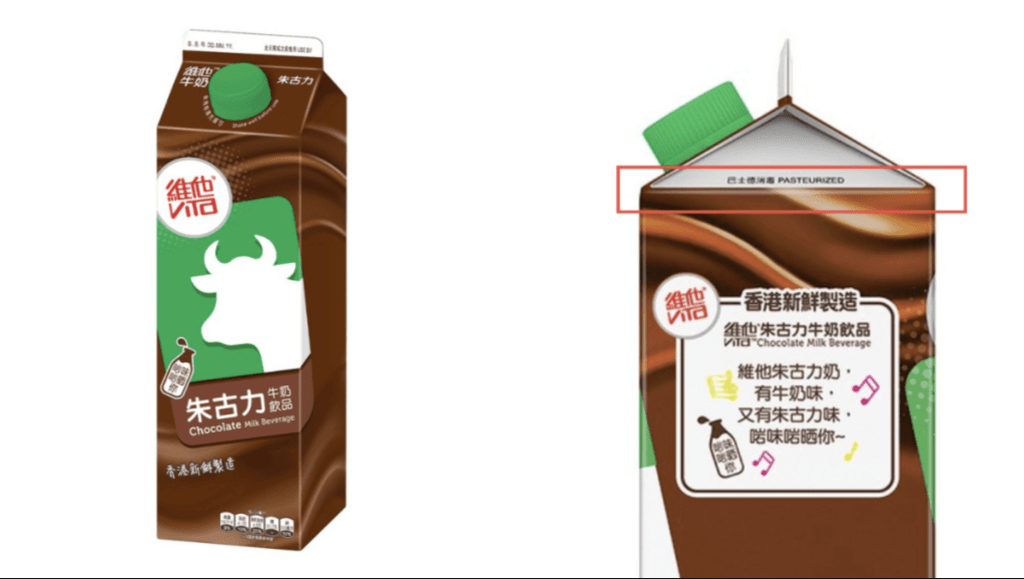
Incorporate natural fermented foods into daily life: Choose unsweetened yogurt and kefir fermented milk paired with nuts and fruit, and stay away from high-sugar probiotic sweet drinks.
-
Look at the "strain" when choosing products: Several hundred billion bacteria is not the only standard. Whether the product clearly indicates a specific strain and clinical evidence is the key.
-
Probiotics are "auxiliary": There is no shortcut to weight loss. Controlling total food intake, regular exercise, and adequate sleep are the fundamentals of improving metabolism.
-
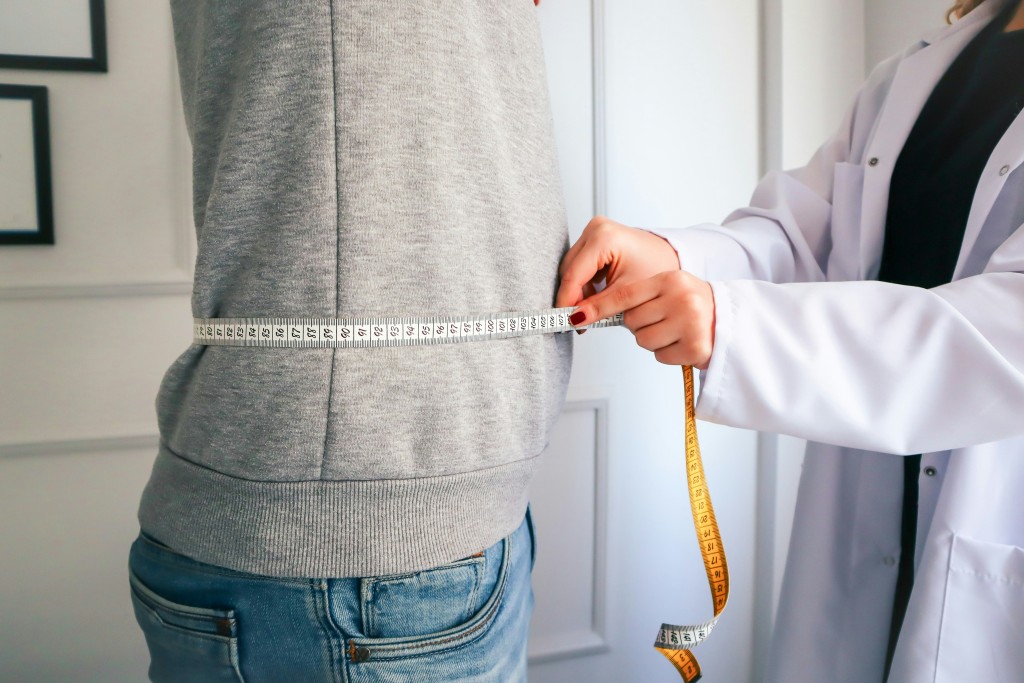
Measure waist circumference and weight together: It is recommended to measure waist circumference at a fixed time every 1–2 weeks in the early morning on an empty stomach.
Hsueh reminds that probiotics cannot replace blood pressure medication, and related chronic disease medications must not be stopped on one's own. Gut bacteria are an important piece of the metabolic health puzzle, but they are not a miracle pill that lets you "lose weight without adjusting your diet." You should first take care of the food you eat every day, and then consider supplements, letting a balanced diet and good routines become the best care product for your gut.
Source: Dietitian Hsueh Hsiao-ching