Want to protect your liver? It's not just about drinking more water. A nutritionist points out that 5 healthy drinks can help protect the liver and fight inflammation. One of them, consumed daily, may significantly lower the risk of cirrhosis and liver cancer.
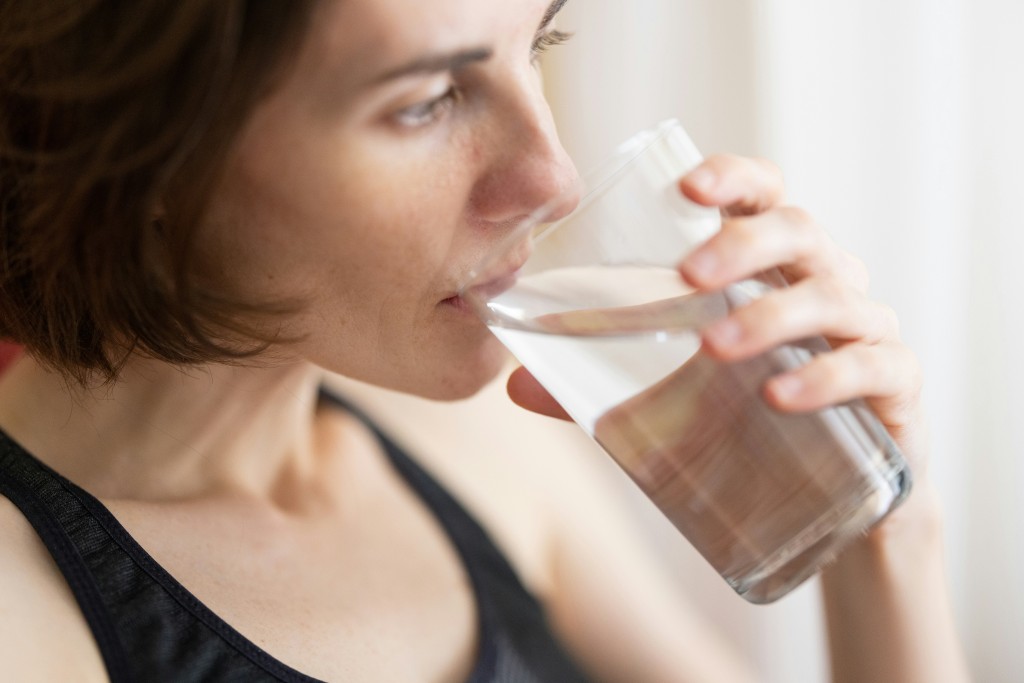
According to Health, registered dietitian Lindsey DeSoto notes that adequate hydration helps the liver function normally and metabolise waste. While no single drink can magically "detox" or thoroughly cleanse the liver, incorporating specific healthy beverages into a balanced diet can genuinely support liver health. Beyond water, DeSoto recommends these 5 drinks:
1. Coffee
Rich in caffeine and plant compounds like chlorogenic acid and cafestol, coffee offers antioxidant and anti-inflammatory benefits and helps prevent liver fibrosis. A 2026 large-scale study showed that higher coffee intake is significantly linked to reduced risk of cirrhosis (advanced liver disease), liver cancer, and liver-related death. Researchers found that just 1–2 cups daily provides benefits, with 3–4 cups showing the most pronounced effect. Notably, decaf coffee showed similar benefits, suggesting other active compounds also play key roles. Choose unsweetened coffee to avoid added sugar cancelling out the benefits.
2. Green Tea
Green tea is rich in catechin polyphenols, especially EGCG (epigallocatechin gallate), which provides antioxidant and anti-inflammatory effects, protecting liver cells from free radical damage. A 2020 study found that drinking green tea helped lower liver enzyme levels (AST and ALT) in fatty liver patients, improving liver inflammation. However, while brewing green tea is safe and beneficial, avoid high-dose green tea extract supplements—there have been rare cases of liver damage from excessive supplement intake.
3. Beetroot Juice
Beetroot juice is rich in betalains, betaine, and dietary nitrates, which help reduce inflammation and oxidative stress, preventing long-term liver cell damage that leads to fibrotic scarring. A 12-week clinical study showed that adults with fatty liver who drank beetroot juice had significantly reduced liver fat content (confirmed by ultrasound), along with improved liver enzymes, triglycerides, and cholesterol levels.
4. Coconut Water
While direct research linking coconut water to liver treatment is limited, natural coconut water is rich in electrolytes, including potassium, offering excellent hydration that supports liver metabolism. The American Liver Foundation recommends drinking it directly or adding it to plain water as a healthy alternative to soda, sweet tea, or sugary sports drinks. Choose pure coconut water with no added sugar.
5. Fruit-Infused Water
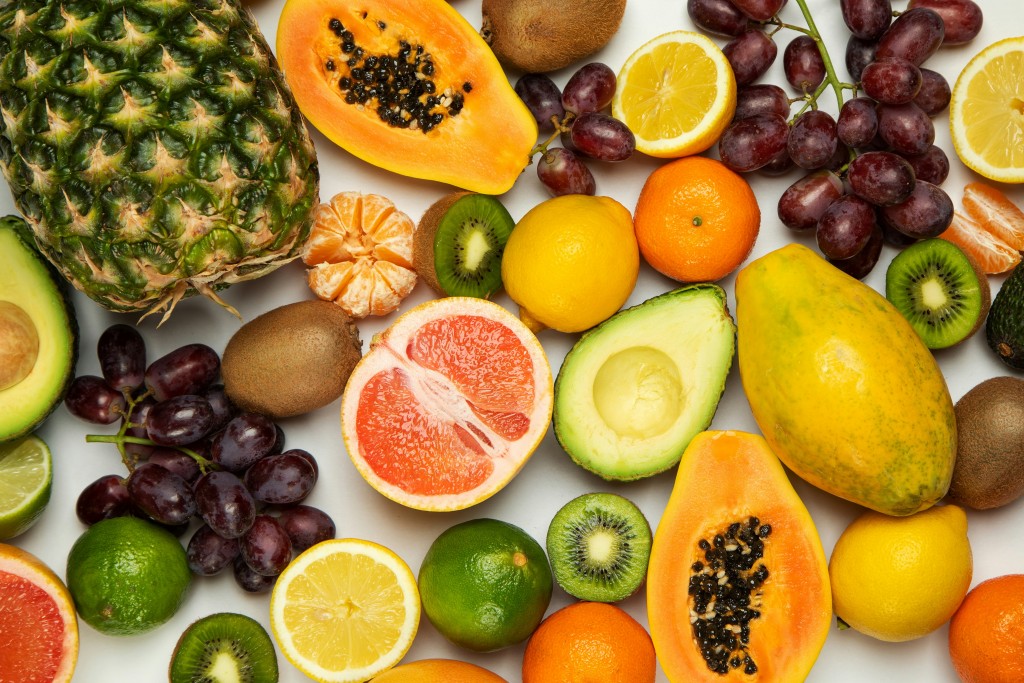
If plain water tastes too bland, add lemon slices, lime, berries, orange slices, cucumber, or mint leaves—or choose unsweetened sparkling water. While fruit-infused water doesn't directly detoxify, it effectively increases daily water intake, maintains hydration, and helps break high-sugar drink habits and manage weight. Research confirms that moderate weight loss directly and significantly reduces liver fat accumulation.
3 Drinks That Harm the Liver
DeSoto notes that excessive consumption of certain drinks accelerates fat accumulation, triggers inflammation, and damages the liver. Strictly limit these 3 categories:
-
Alcohol: Long-term excessive drinking directly causes fat accumulation, inflammation, and liver fibrosis. Those with existing liver disease should consult a doctor and strictly abstain.
-
Sugary Drinks: Regular soda, sweetened tea, energy drinks, and high-sugar sports drinks contain large amounts of sugar and calories, accelerating weight gain and liver fat accumulation.
-
"Detox" Teas or Products: No tea, juice, or herbal drink can truly cleanse liver toxins. Such products are often under-researched, and some ingredients may even harm the liver.
The most fundamental rule for liver health remains a balanced diet rich in fresh fruits and vegetables, whole grains, high-quality protein, and healthy fats. No single healthy drink can compensate for poor dietary habits. If you have liver disease, consult a registered doctor or nutritionist before making significant dietary changes or taking any supplements.
Source: Health