Choosing fruits that keep well and storing them correctly can significantly extend their freshness. An expert lists 14 long-lasting fruits that stay fresh for weeks and shares 5 key storage strategies.
According to Martha Stewart, Jessica Groppe, Fresh Category Manager at Misfits Market, says some fruits can last 4 weeks or longer in the refrigerator. She often finds forgotten citrus fruits deep in the fridge that are still juicy and delicious when taken out. While apples and oranges are familiar examples, some lesser-known fruits also have excellent keeping qualities. These fruits can withstand the test of time in the fridge:
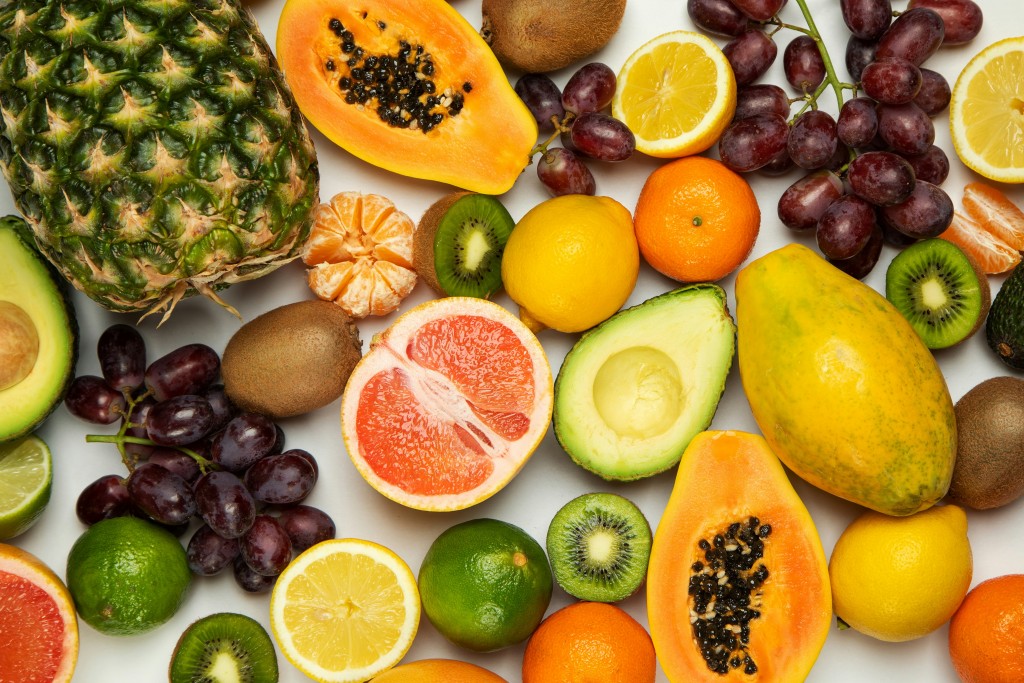
14 Long-Lasting Fruits:
-
Acorn Squash
-
Apples
-
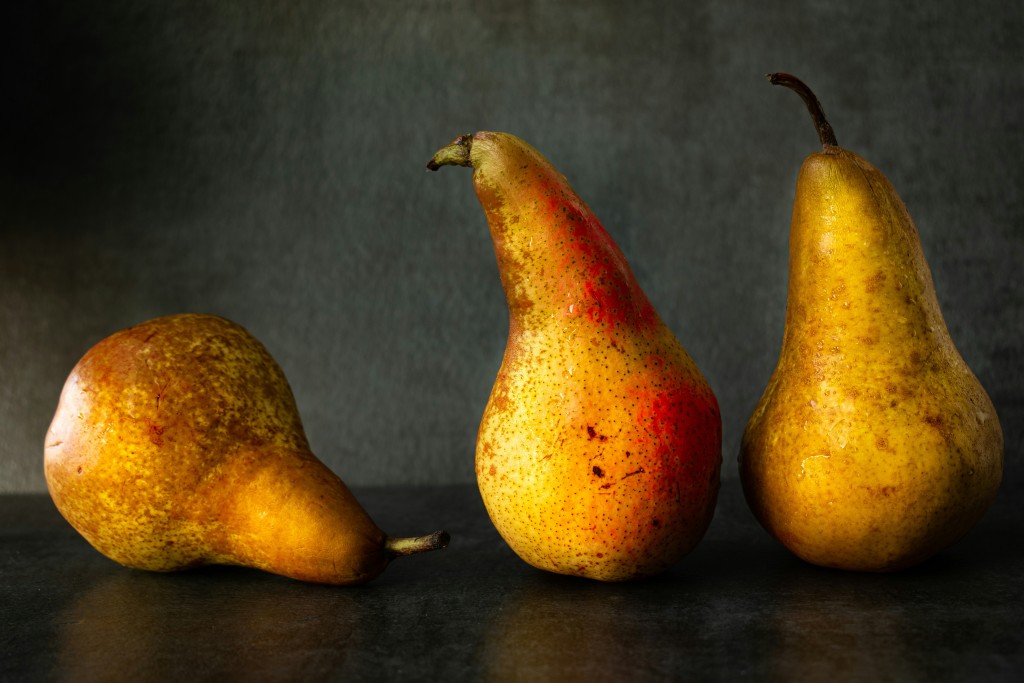
Asian Pears
-
Butternut Squash
-
Mandarins
-
Cranberries
-
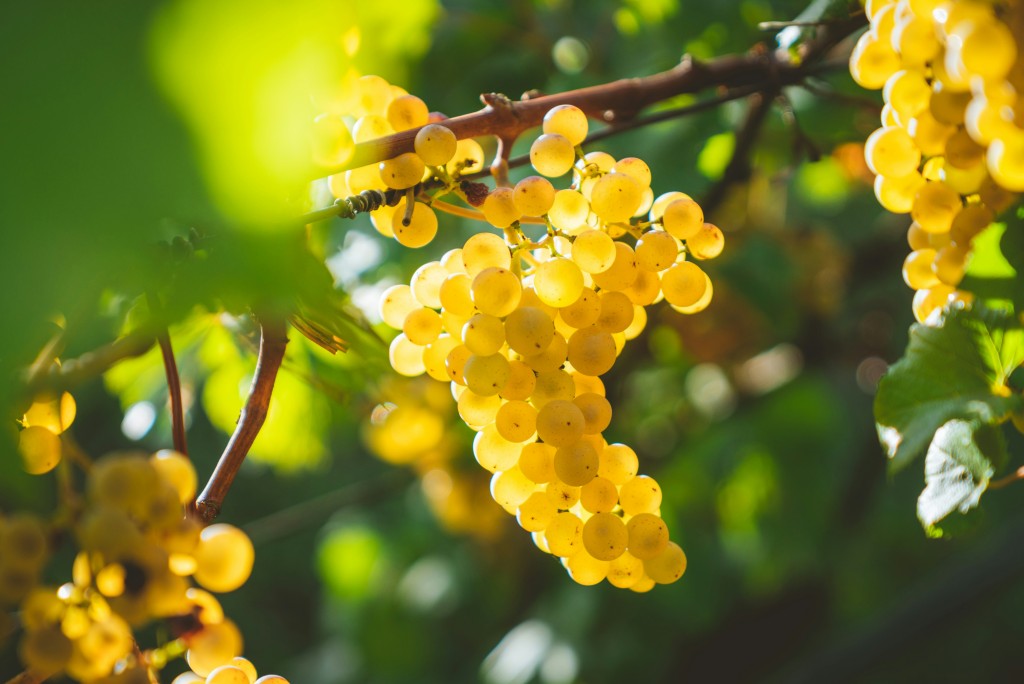
Grapes
-
Grapefruit
-
Kiwi
-
Lemons
-
Limes
-
Passion Fruit
-
Pomegranates
-
Oranges
4 Core Factors That Determine Fruit Shelf Life
How long fruit stays fresh after harvest depends on several natural factors:
-
Skin Thickness: Thick skins act as a natural barrier, locking in moisture and blocking bacteria.
-
Respiration Rate: The slower a fruit's metabolism after harvest, the slower it consumes nutrients and ages, resulting in a longer shelf life.
-
Acidity: Higher acidity naturally inhibits microbes and mold, extending storage time.
-
Ethylene Production and Sensitivity: Ethylene is a plant's natural ripening gas. Some fruits (like apples and Asian pears) release large amounts, while others (like citrus and pomegranates) are highly sensitive to it. Storing them together dramatically shortens the sensitive fruits' lifespan.
-
Seasonality: Fruits are most stable at the very start of their peak season. For example, grapes harvested in late summer or kiwis harvested in December and early May—fruits at the beginning of their season—typically keep much better in cold storage than those harvested at the season's end.
5 Key Storage Strategies to Extend Fruit Shelf Life
-
Separate Ethylene Producers: Keep high-ethylene fruits (like apples) away from sensitive varieties (like citrus and pomegranates) to prevent the latter from ripening and rotting too quickly.
-
Use Crisper Drawers: Use your fridge's crisper drawer to regulate humidity, preventing moisture loss and maintaining firm texture and flavor.
-
Use Breathable Containers: Use partially open or perforated bags (plastic or cloth) to retain moisture without trapping water, which can cause mold.
-
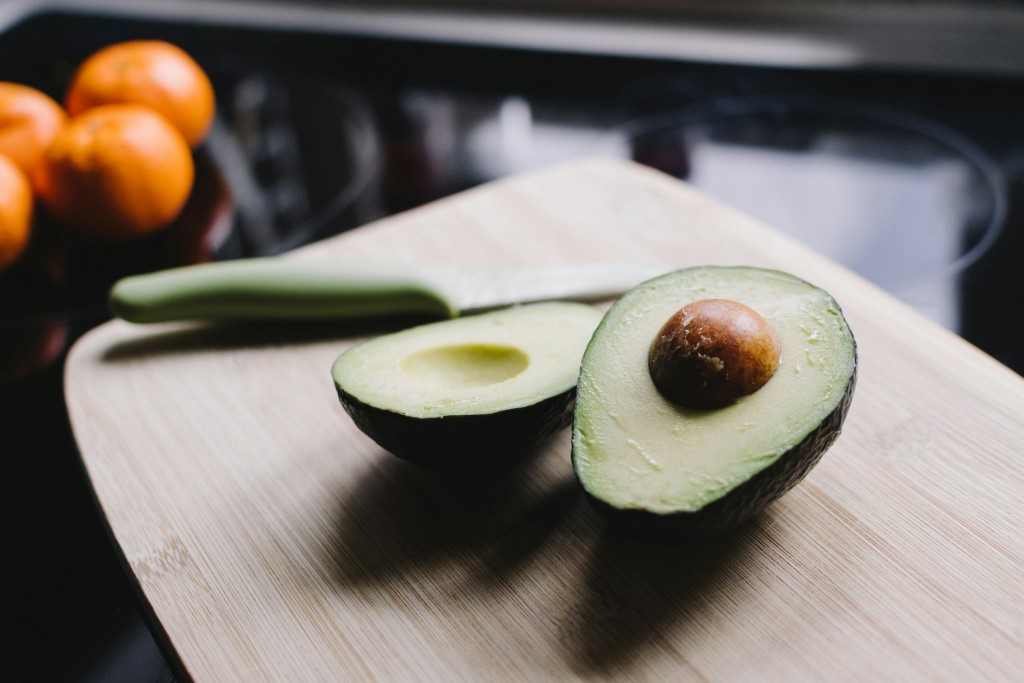
Ripen First, Then Refrigerate: Ripening fruits (like avocados) should be left at room temperature until perfectly ripe, then moved to the fridge to halt further ripening. They can also be frozen for smoothies.
-
Don't Copy Supermarket Displays: Supermarkets often stack fruit at room temperature for appearance or cost reasons, which greatly accelerates aging. Refrigerate promptly after bringing them home.
How to Tell Ripe from Spoiled
Wrinkled or slightly soft skin doesn't always mean the fruit is bad—it can sometimes mean it's sweeter. Use these signs to judge:
1. Normal Signs of Ripeness:
-
Slightly wrinkled skin: Some moisture has evaporated, concentrating the fruit's sweetness.
-
Slightly soft texture: The fruit has reached optimal ripeness.
-
Strong aroma: A natural fruity fragrance indicates sweeter flavor.
2. Signs of Spoilage – Discard:
-
Off-odors: A fermented, alcoholic, or distinctly sour/vinegary smell.
-
Leaking liquid: Internal tissue has broken down and is seeping fluid.
-
Localized rot: Deep sunken areas or severely mushy patches.
-
Visible mold: Fuzzy or spotted mold growth on the surface.
Source: Martha Stewart