Dietitian Yang Tsu-han posted on her Facebook page that myocardial infarction is by no means exclusive to the elderly, and is mostly related to rupture of coronary atherosclerotic plaques and thrombus formation, which in turn causes sudden myocardial ischemia. Besides common risk factors such as hypertension, hyperlipidemia, hyperglycemia, smoking, excess weight, and family history, long-term dietary patterns are an even more critical part of preventing cardiovascular disease. For patients who have already experienced myocardial infarction, "secondary prevention" must be done well after recovery to reduce the risk of another cardiovascular event. She suggests that myocardial infarction patients should strictly grasp the following 6 major principles in their daily diet:
1. Not Just Less Oil—The Key Is Switching to the Right Oil
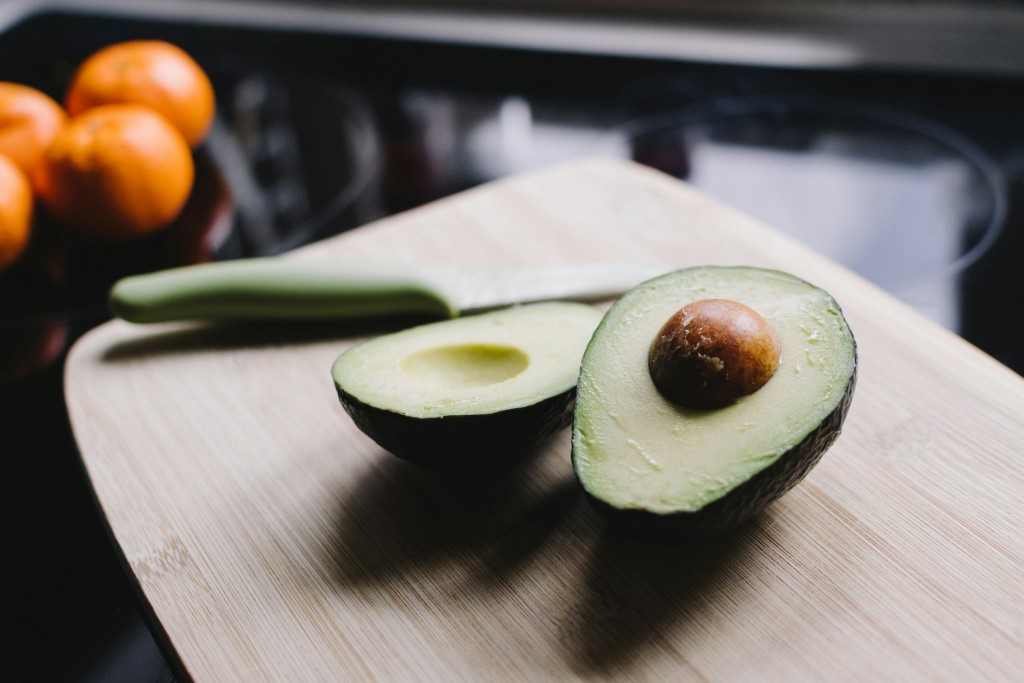
Foods high in saturated fat, such as butter, lard, fatty meat, pork belly, and processed meats, can be partially replaced with sources rich in unsaturated fat, such as olive oil, canola oil, nuts, seeds, avocados, and fish. The American Heart Association points out that replacing saturated fat with unsaturated fat is an important dietary principle for protecting cardiovascular health.
2. At Least Some Vegetables at Every Meal, and an Appropriate Amount of Fruit Every Day
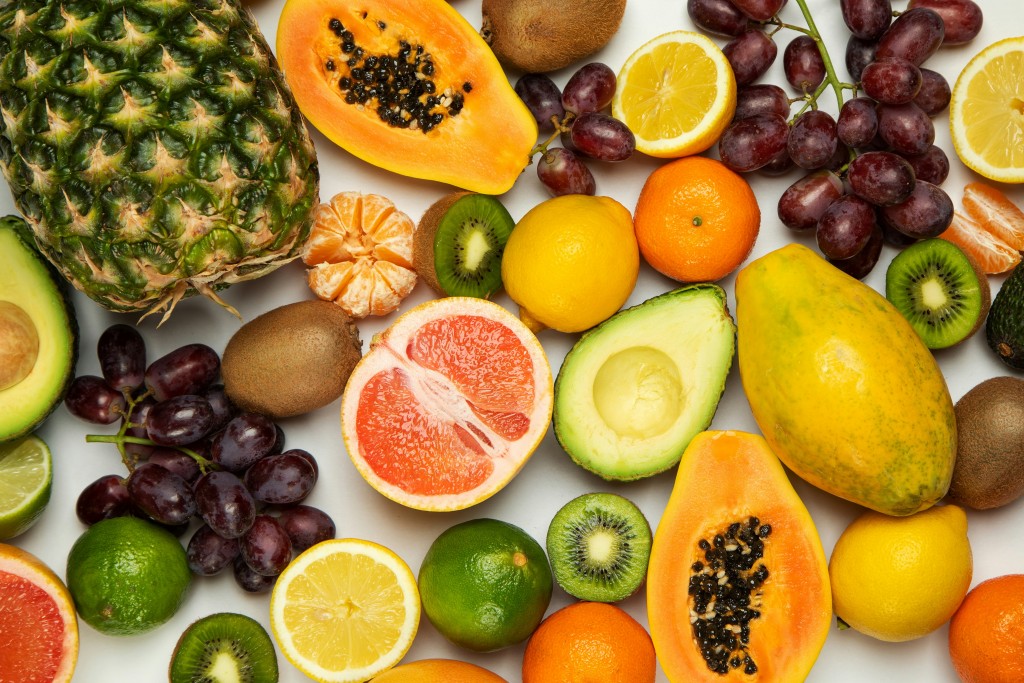
Vegetables and fruits are rich in dietary fiber, potassium, polyphenols, and various phytonutrients. It is recommended to take in at least 1 to 2 bowls of vegetables per meal and about 2 servings of fruit per day. Rather than drinking juice, it is more recommended to eat whole fruit directly.
3. Beyond White Rice and White Noodles—Take in More Whole Grains and Mixed Cereals
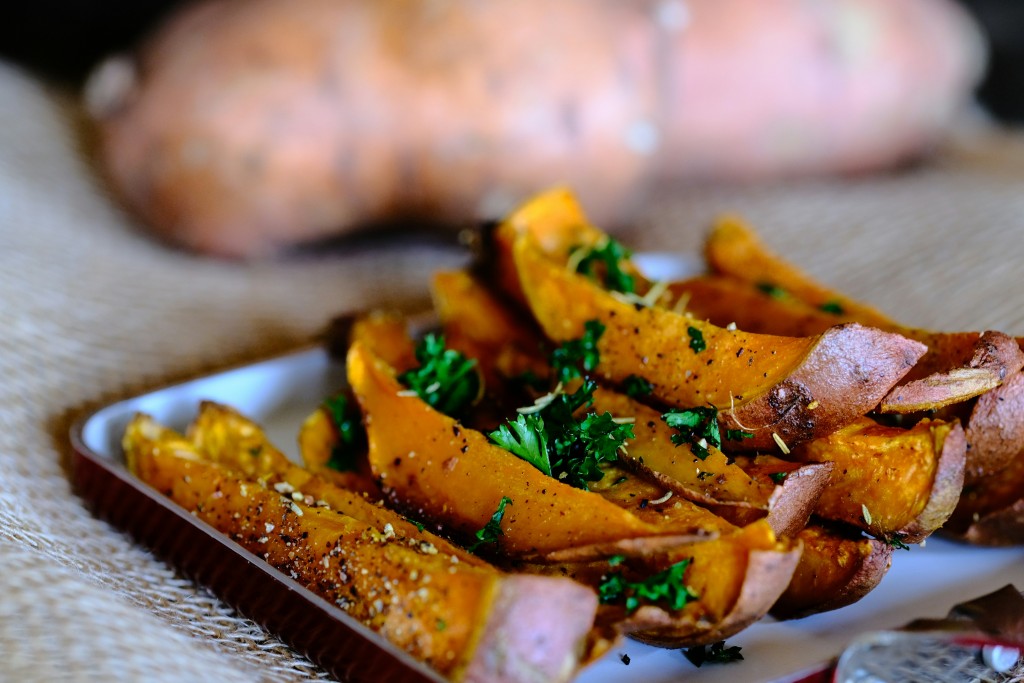
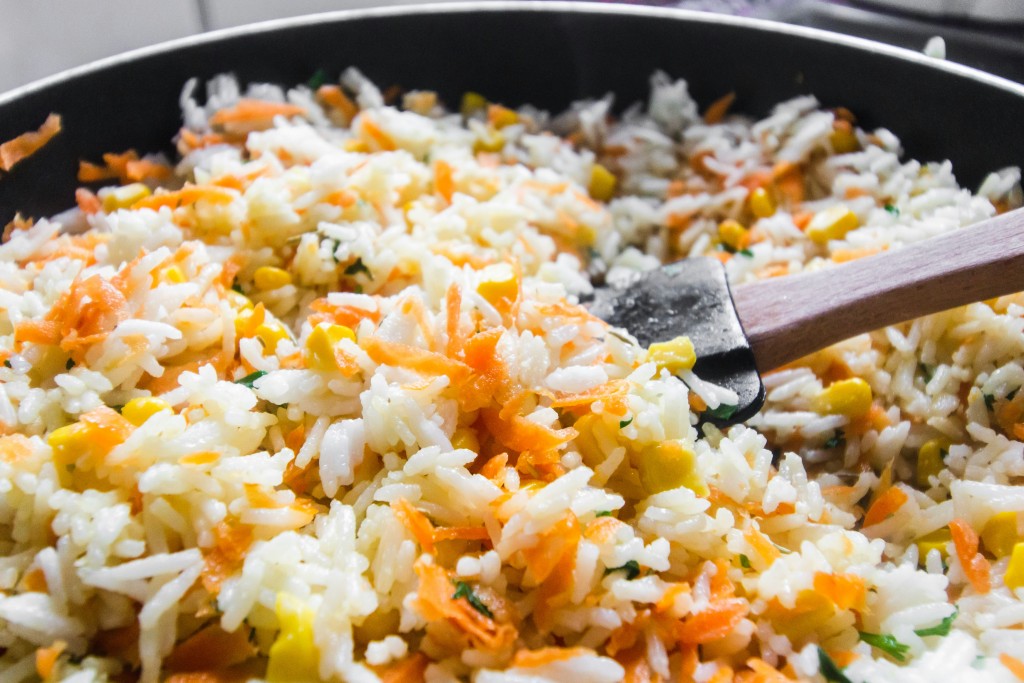
It is recommended to add oats, brown rice, quinoa, barley, sweet potatoes, and corn to daily staple foods. Whole grains and mixed cereals contain abundant dietary fiber, which helps improve blood lipids, stabilize blood sugar, and manage overall cardiovascular risk. Patients do not need to completely give up starch, but should increase the proportion of unrefined starch.
4. Prioritize Fish and Beans for Protein, and Reduce Processed Meat
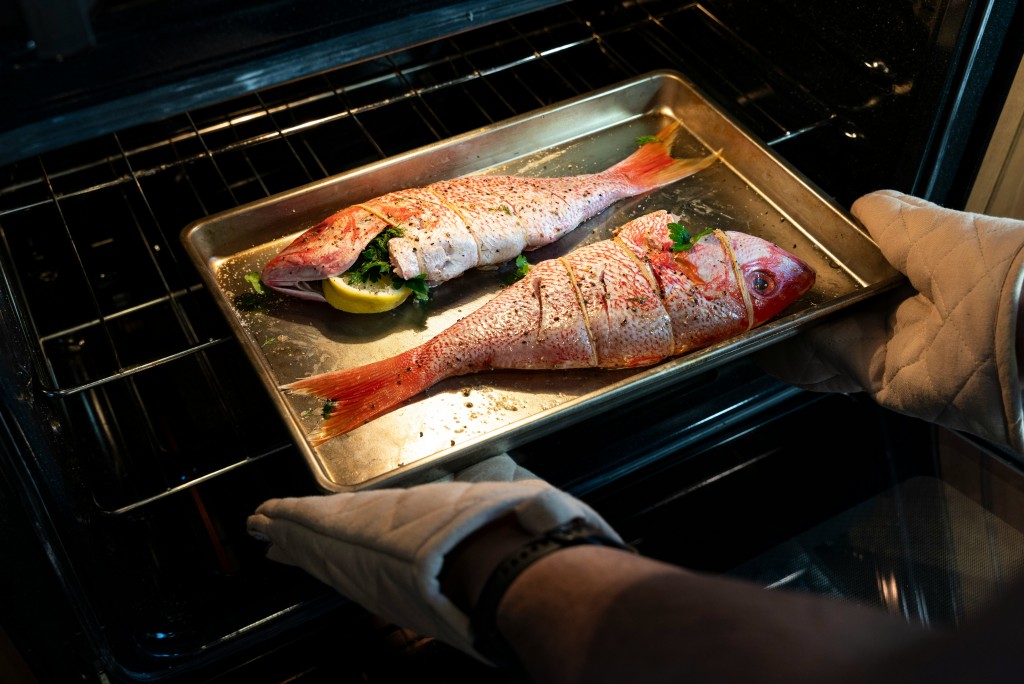
In choosing protein, priority should be given to fish, soybeans, tofu, soy milk, edamame, nuts, and leaner meats such as skinless chicken; on the other hand, intake of processed meats such as sausages, bacon, ham, hot dogs, and cured meat should be greatly reduced. It is recommended to arrange at least 2 fish meals per week, and among them, choose more fish rich in omega-3 fatty acids, such as salmon, mackerel, and saury.
5. Beware of Salt Hidden in Food
Besides strictly controlling blood lipids, controlling blood pressure is equally key for cardiovascular disease patients. However, the real culprit that easily leads to excessive sodium intake is often not the salt on the dining table, but various soups, braising sauces, condiments, instant noodles, hot pot broth, processed foods, and pickled items. When dining out, remember to drink less soup, ask for sauces on the side, eat fewer processed products, and drink less thick soup and hot pot broth.
6. Eat Fewer Ultra-Processed Foods and Sugary Drinks
The latest dietary guidelines of the American Heart Association especially emphasize that daily diets should prioritize whole, minimally processed foods and greatly reduce ultra-processed foods. For example, eat fewer cookies, potato chips, desserts, sugary drinks, processed meats, and large amounts of refined starch. This does not mean not a single bite can be touched, but they should not become the main body of the daily diet. If one must choose among many dietary patterns the heart-protective plan with the most complete medical evidence, cardiovascular disease patients can refer to the "Mediterranean diet." Its core principles include:
-
Plenty of vegetables
-
Moderate fruit
-
Whole grains and mixed cereals
-
Beans
-
Nuts
-
Fish
-
Unsaturated fats such as olive oil
-
Less red meat and processed meat
-
Fewer desserts and ultra-processed foods
The early Lyon Diet Heart Study already confirmed in myocardial infarction patients that long-term practice of the Mediterranean diet can significantly reduce the recurrence of cardiovascular events; subsequent multiple clinical trials and systematic reviews also continue to support its value in cardiovascular secondary prevention. The well-known recent CORDIOPREV study likewise showed that in coronary heart disease patients who follow a healthy diet long term, whether Mediterranean diet or a well-planned low-fat diet, the higher the dietary adherence, the lower the probability of major cardiovascular events.
Yang emphasizes that after a myocardial infarction occurs, there is no vegetable, health supplement, or healthy oil on the market that can make already-formed atherosclerotic plaques in the body disappear. The truly medically proven effective method is long-term persistence in:
-
More vegetables + whole grains + beans, fish, and nuts
-
Replacing saturated fat with high-quality good oil
-
Less salt, less sugar, less processed food
At the same time, patients must actively cooperate with doctors' treatment, strictly control bad cholesterol, blood pressure, and blood sugar, quit smoking, and receive appropriate cardiac rehabilitation treatment. This is the complete strategy for preventing another myocardial infarction. In particular, patients who have just experienced acute myocardial infarction or have undergone cardiac catheterization or stent placement still need their diet and activity levels adjusted according to the professional assessment of cardiologists and the medical team, and must never replace standard treatments such as antiplatelet drugs and lipid-lowering drugs with dietary adjustments on their own.
Source: Dietitian Yang Tsu-han