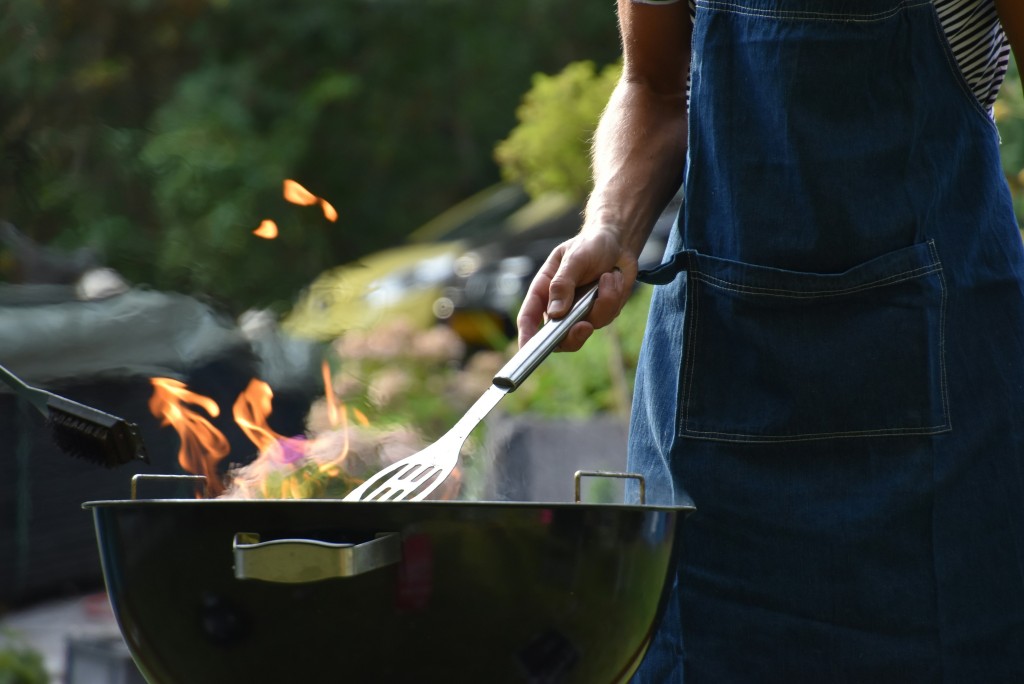
As people prepare for barbecues, many assume that eating "baiye tofu" is light and healthy. A dietitian reveals that a whole stick of baiye tofu actually contains more fat and calories than a steak, and also lists the calories of 37 barbecue ingredients, along with 6 major eating tips to help control calorie intake—so you can enjoy the Mid-Autumn feast with less burden.
Calorie Showdown of 37 BBQ Ingredients—Baiye Tofu Has More Calories Than Steak?
Dietitian Kao Min-min points out on her Facebook page that during the Mid-Autumn Festival, what many citizens look forward to most is gathering with family and friends for a barbecue. However, the most common situation during a barbecue is eating while grilling, chatting while refilling the plate, and in the end completely forgetting how much one has eaten. Many people think only steak and pork chops are high in calories, but in fact common ingredients such as baiye tofu, pig's blood cake, and gongwan (pork balls) are also easily underestimated in terms of calories. The following calories are estimated according to the "weight per serving" listed on the chart, and not all are compared based on 100 g. Different brands, cuts, marinades, cooking methods, and actual edible weight will all affect the final calorie count, and consumers should still refer to the product's nutrition label when eating:
Calories of 37 BBQ Ingredients Calories per serving (approximate edible weight)
-
Baiye tofu (one stick, 185 g): about 361 kcal
-
Pig's blood cake (one piece, 120 g): about 231 kcal
-
Tempura (one skewer, 99 g): about 174 kcal
-
Small dried tofu cubes (one skewer, 62 g): about 173 kcal
-
Pork tenderloin (one slice, 78 g): about 165 kcal
-
Gongwan (one skewer, 66 g): about 162 kcal
-
Sausage (one piece, 40 g): about 142 kcal
-
Drumstick (one piece, 93 g): about 140 kcal
-
Corn (one ear, 142 g): about 138 kcal
-
Bacon (one slice, 21 g): about 78 kcal
-
Onion (half a bulb, 166 g): about 66 kcal
-
Enoki mushrooms (one handful, 100 g): about 33 kcal
-
Beef chuck flap slices (one slice, 25 g): about 30 kcal
-
Shiitake mushrooms (one skewer, 88 g): about 27 kcal
-
Wild rice stem (one stalk, 80 g): about 16 kcal
-
Green pepper (one skewer, 58 g): about 14 kcal
-
White shrimp (one piece, 12 g): about 12 kcal
-
Small cucumber (one piece, 72 g): about 8 kcal
-
Baby corn (one piece, 10 g): about 3 kcal
-
Clams (one piece, 6 g): about 2 kcal
-
Green beans (one piece, 8 g): about 2 kcal
-
A5 Wagyu beef (one serving, 120 g): about 980 kcal
-
Tomahawk pork chop (one serving, 250 g): about 725 kcal
-
Salmon steak (one serving, 300 g): about 487 kcal
-
Chicken thigh steak (one serving, 199 g): about 426 kcal
-
Beef short ribs (one serving, 116 g): about 377 kcal
-
Sirloin steak (one serving, 143 g): about 232 kcal
-
Beef tongue (100 g): about 223.9 kcal
-
Ayu sweetfish (100 g): about 147 kcal
-
Lobster (one serving, 400 g): about 104 kcal
-
Small squid (100 g): about 72 kcal
-
Octopus leg (100 g): about 61 kcal
-
Raw oysters (100 g): about 59 kcal
-
Chicken cartilage (one serving, 40 g): about 43 kcal
-
Angel red shrimp (one piece, 50 g): about 42 kcal
-
Japanese large scallop (one piece, 45 g): about 26 kcal
-
Chicken testicles (one piece, 20 g): about 14 kcal
Dietitian Kao Min-min points out that the calories of some ingredients on the list are completely unexpected:
Baiye tofu: Although the name contains "tofu," the production process usually adds large amounts of oil, and a whole stick can have as much as 361 kcal—definitely not the light soy product one imagines.
Pig's blood cake: Its main ingredient is glutinous rice, and one piece is about 231 kcal. It is essentially a starchy food, not simply a meat side dish.
Corn: In nutrition, it is also classified as a whole grain and mixed cereal category, and one ear is about 138 kcal. If you have already eaten corn, the portion of other starches such as bread, rice balls, or rice cakes should be reduced accordingly.
Processed items such as sausages, bacon, gongwan, and tempura: In addition to being high in calories, they also contain extremely high levels of saturated fat and sodium, and it is not recommended to eat several servings of each.
6 Eating Tips for BBQ to Help Control Calories
The Mid-Autumn Festival comes only once a year, so citizens can happily enjoy the holiday. The point is not that nothing can be touched, but to learn to recognize portions and pair foods smartly. Kao Min-min shares the following 6 healthy barbecue tips:
-
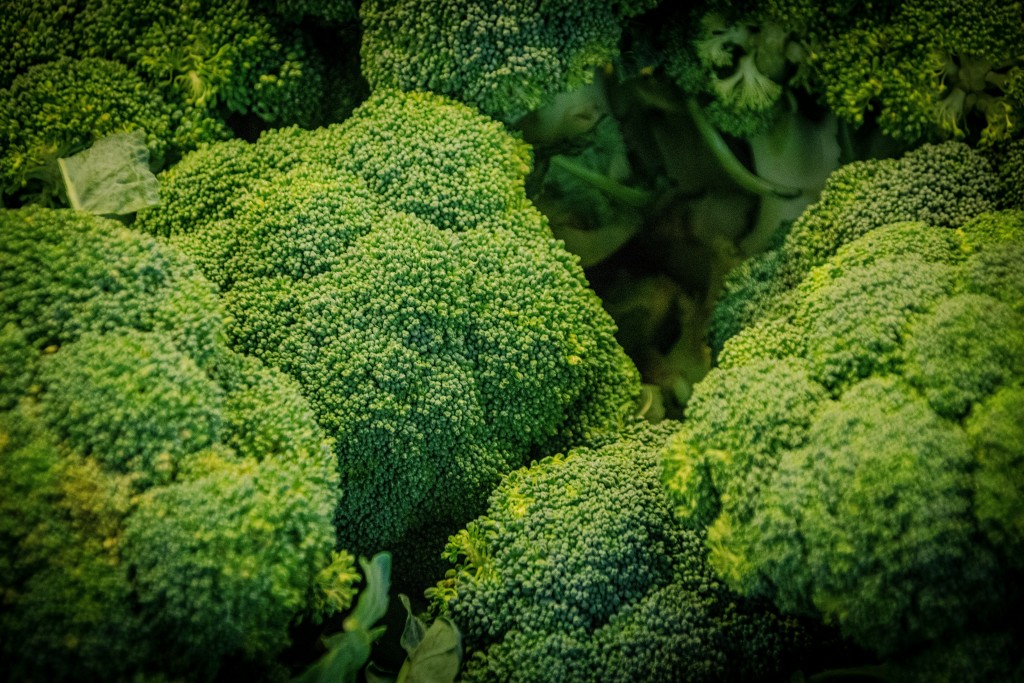
Prepare at least half vegetables: Onions, green peppers, shiitake mushrooms, enoki mushrooms, wild rice stems, small cucumbers, green beans, and others can all be rotated in. Use rich dietary fiber to increase satiety.
-
Choose only 2 to 3 kinds of meat: It is recommended to prioritize low-fat whole ingredients such as pork tenderloin, fish, shrimp, clams, and scallops; for high-fat meats, strictly control the portion, and there is no need to eat every kind.
-
Taste processed foods only lightly: For processed items such as sausages, gongwan, bacon, tempura, baiye tofu, and pig's blood cake, just pick the one you like most. Never take several servings of each.
-
Brush barbecue sauce thinly: Avoid letting ingredients soak in the sauce for a long time. It is recommended to brush a thin layer just before the ingredients are almost cooked, and you can also pair with garlic, scallions, pepper, lemon, or herbs to add flavor.
-
Choose sugar-free drinks: Pair with water, sparkling water, or unsweetened tea, and drink fewer sugary beverages and alcohol, so as to avoid calories stacking up without notice.
-
Avoid grilling ingredients until charred black: Avoid oil dripping onto the charcoal and producing large flames and black smoke; do not force yourself to eat the charred parts either.
Source: Dietitian Kao Min-min