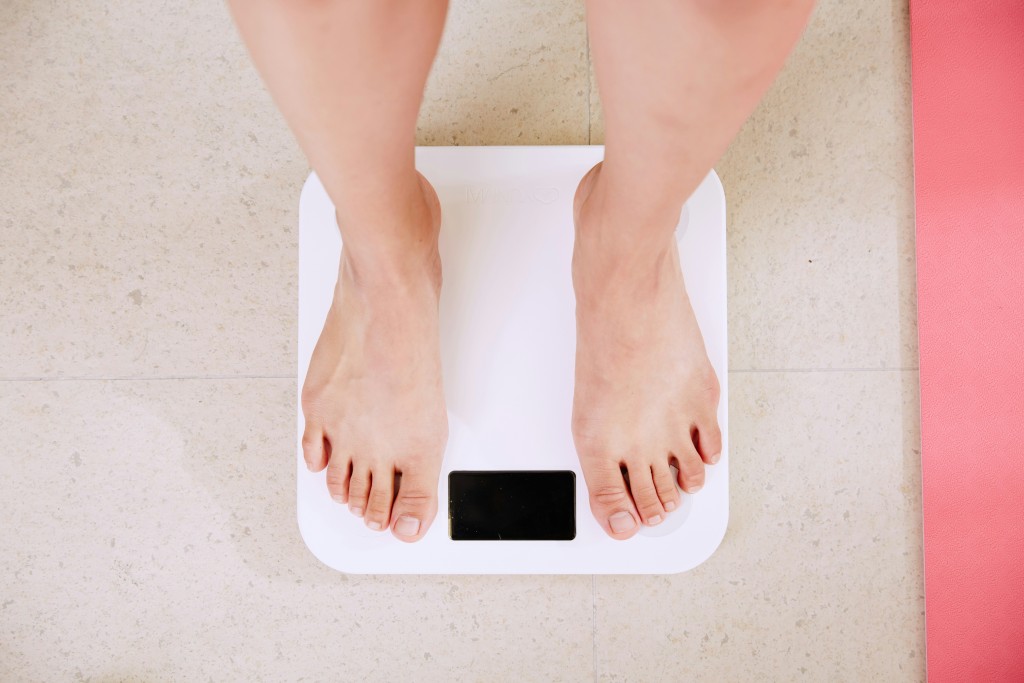
The morning sets the tone for the day. Many busy office workers in Hong Kong grab a quick rice ball from a convenience store for breakfast without realizing these highly refined starches are quietly harming their liver health. Dr. Chien Cheng-hung, Director of the Health Examination Center at Keelung Chang Gung Memorial Hospital, shared a remarkable case: a woman in her 30s who had long suffered from mild fatty liver successfully lost 5kg and reversed her fatty liver without exercising or deliberately fasting. The key was swapping her usual refined convenience store breakfast for 3 healthy foods.
Cut Refined Starches, Switch to Chilled Sweet Potato and Unripe Banana
The office worker in her 30s, unable to find time for the gym due to work, lost weight from 76kg to 71kg in just three months. She shared that the only change was adjusting her breakfast. Her current breakfast consists of 1–2 sweet potatoes (about 100–200g), one banana, two boiled eggs, and a cup of black coffee—all easily purchased at convenience stores or supermarkets. Chien notes the essence of this diet lies in making good use of "resistant starch":
-
Chilled sweet potato from the previous day: When steamed sweet potato is refrigerated, its starch structure converts into resistant starch, which is harder for the body to digest and absorb. It increases satiety and prevents sharp blood sugar fluctuations.
-
Unripe banana without black spots: The riper a banana, the more its resistant starch converts into fructose, which easily raises blood sugar. Choosing an unripe banana without spots effectively controls calorie absorption.
-
Oil-free boiled eggs: Compared to fried eggs, eggs steamed in a rice cooker or boiled are completely oil-free and unseasoned, providing high-quality protein with no burden on the body.
Doctor Advises Cutting Bread and Reducing Starch at Dinner
Beyond improving breakfast, the office worker also gave up her favourite bread and minimized starch intake at dinner. Dr. Chien particularly reminds the public that many assume fatty liver is caused by eating too much greasy food. But in the modern dietary environment, the number one culprit behind fatty liver is often excessive intake of refined starchy foods—white rice, noodles, sweet bread, and sugary hand-shaken drinks.
These high-carbohydrate foods rapidly convert into fat stored in the liver after entering the body, and their harm can be even greater than eating fats directly. By learning to intelligently adjust dietary structure like this patient, even those with busy schedules and no time to exercise can restore liver health and escape the fatty liver crisis.
6 Common Symptoms of Fatty Liver: Pain in This Area Is a Warning Sign
Hong Kong has over 1 million people with fatty liver disease. It is categorized into alcoholic and non-alcoholic fatty liver disease. According to the Department of Health, fatty liver (or steatotic liver disease) refers to excess fat accumulation in liver cells. It is closely linked to obesity, insulin resistance, diabetes, high blood lipids, and high blood pressure.
Non-alcoholic fatty liver disease refers to a range of liver conditions involving excess fat accumulation in liver cells (exceeding 5% of liver volume). The cause is unrelated to excessive alcohol consumption or other secondary factors (such as medication or congenital metabolic defects). Common symptoms include:
If not addressed promptly, fatty liver can progress to cirrhosis or liver cancer. Accurate diagnosis requires imaging tests such as ultrasound, CT scan, MRI, or a liver biopsy.
Sources: Dr. Chien Cheng-hung, Director of the Health Examination Center, Keelung Chang Gung Memorial Hospital; Centre for Health Protection (Hong Kong)