You don't have to rely only on sunscreen to prevent spots—can drinking coffee help too? A doctor shares a golden skincare drink method: pairing it with 2 affordable ingredients instantly doubles the antioxidant and beauty benefits.
Coffee Golden Skincare Drink: Pair with 2 Ingredients to Double Beauty Benefits
According to Japanese media otonanswer, many people apply sunscreen or use parasols to protect their skin. But there's a persistent belief that drinking coffee helps reduce UV damage to the skin. Japanese gastroenterologist Dr. Aki Kudo points out that coffee is rich in chlorogenic acid, a polyphenol with significant antioxidant effects. Antioxidants help inhibit damage to cells caused by reactive oxygen species produced in the body. Additionally, caffeine in coffee has an alerting effect that helps improve concentration, and its mild diuretic effect helps expel excess fluid. As a drink easily incorporated into daily life, coffee can certainly be part of a healthy lifestyle. She breaks down 5 common coffee myths:
Coffee Beauty Guide
1. Is coffee effective in preventing UV-induced skin problems?
Kudo notes that drinking coffee doesn't directly block UV rays, but it can strengthen the body's internal defenses against UV-induced skin damage. UV exposure produces reactive oxygen species in the body, increasing oxidative stress, which leads to spots, dullness, and wrinkles. Coffee is rich in chlorogenic acid, which has powerful antioxidant properties that help suppress this oxidative stress.
While more human clinical evidence is needed, cell studies have found that chlorogenic acid can inhibit melanin production, offering potential for preventing spot formation and maintaining fair skin. However, coffee alone is far from sufficient—you must still use sunscreen, hats, and parasols for physical sun protection.
2. Hot coffee or iced coffee—which is healthier?
For optimal beauty and health benefits, hot coffee is recommended over iced coffee. Hot drinks don't cause body temperature to drop suddenly, helping maintain good blood circulation and metabolism—especially suitable for those sensitive to cold.
3. Is there an ideal roast level?
Light roast coffee is recommended, as the key beauty antioxidant polyphenol—chlorogenic acid—gradually decreases as coffee beans are roasted darker. If you're particularly focused on beauty and internal care, light roast is a better choice.
4. What foods pair well with coffee?
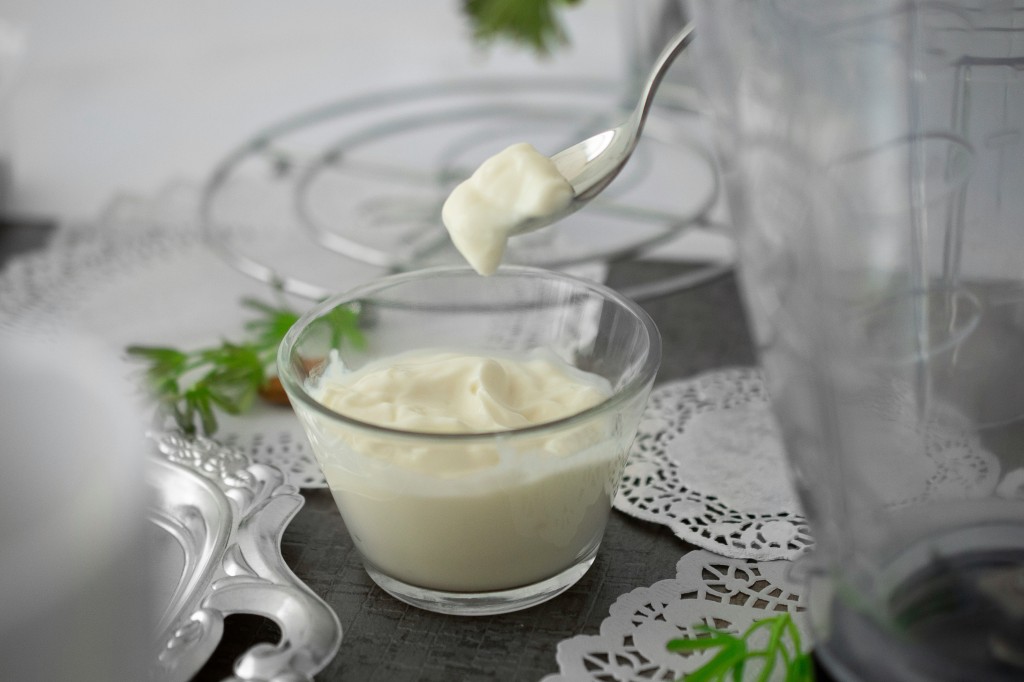
To enhance coffee's beauty benefits, Kudo suggests adding almond milk and ginger to black coffee. Almond milk is rich in vitamin E, which works synergistically with coffee's polyphenols for stronger antioxidant effects—a perfect combination for seasons requiring defense against UV oxidative damage. Ginger is believed to warm the body and promote blood circulation, so adding a small amount to coffee helps improve circulation. Pairing with nuts, unsweetened yogurt, and other nutritionally balanced foods also helps build healthier daily eating habits.
5. What should you watch out for when drinking coffee?
Kudo notes that moderate coffee consumption (2–3 cups daily) is highly beneficial for health, but avoid excessive intake. First, excessive caffeine reduces deep sleep quality, interfering with nighttime skin cell metabolism and self-renewal, potentially causing skin problems. Therefore, limit caffeine intake before bed—consider decaf if needed. Additionally, coffee has a diuretic effect; excessive consumption can cause fluid loss, mild dehydration, and burden the digestive system. For beauty and health, moderate consumption is key—not large quantities.
Source: otonanswer